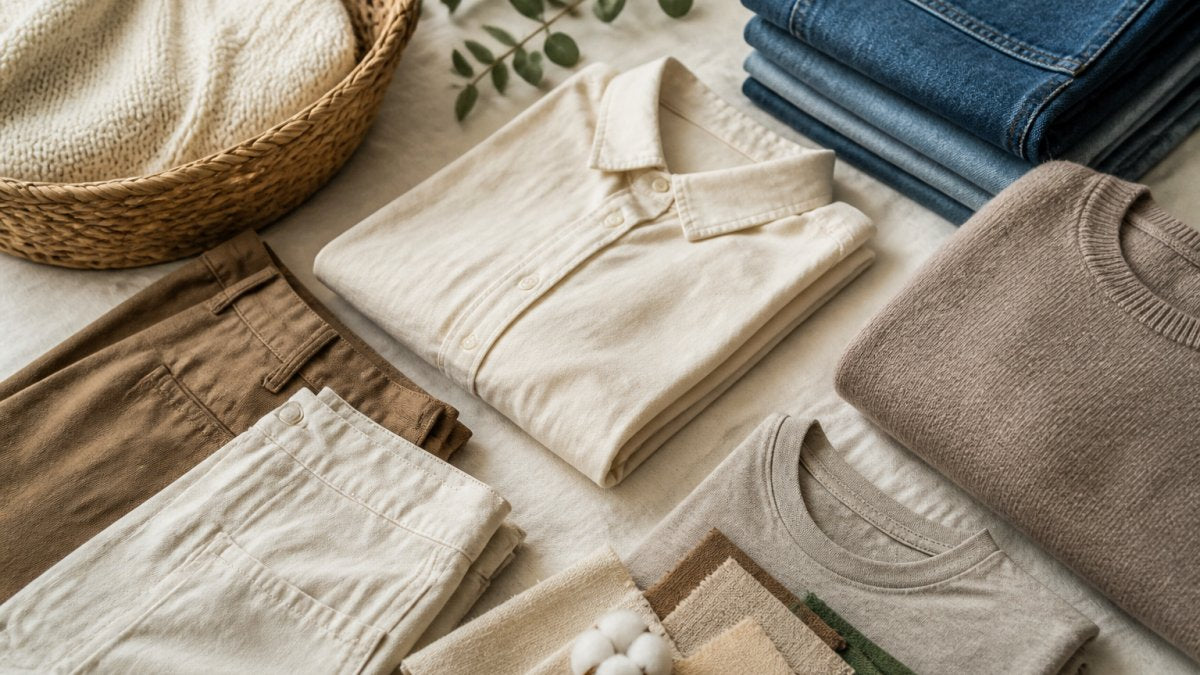
Which Fabrics Work Best for a Sustainable Capsule Wardrobe?
Last Updated: October 25, 2026
Quick Summary
The best fabrics for a sustainable capsule wardrobe balance durability, environmental impact, and practical care requirements. Linen, organic cotton, lyocell, and quality blends each offer different benefits, with durability and cost-per-wear mattering more than marketing claims about being eco-friendly.
- Linen garments last 7-10+ years and improve with age, making them ideal for long-term wardrobe pieces.
- Organic cotton uses no synthetic pesticides but requires similar water as conventional cotton, roughly 1,800 gallons per pound.
- Lyocell and modal use closed-loop production systems that recycle solvents, though environmental impact depends on facility practices.
- Cost-per-wear determines true sustainability: a $60 linen shirt worn 200 times costs 30 cents per wear versus 67 cents for a $20 shirt worn 30 times.
- Certifications like GOTS, FSC, and OEKO-TEX provide verifiable proof of sustainability claims beyond marketing language.
Table of Contents
- What Makes Fabrics Sustainable for a Capsule Wardrobe
- Most Sustainable Fabrics for Clothing: A Practical Comparison
- Durable Fabrics for Everyday Clothing: Cost-Per-Wear Matters
- Verifying Sustainability Claims and Certifications
- Building Your Sustainable Capsule Wardrobe with Quality Fabrics
- Start Your Sustainable Capsule with Quality Pieces
- Frequently Asked Questions
What Makes Fabrics Sustainable for a Capsule Wardrobe
A sustainable capsule wardrobe starts with fabric choices that last. Natural fibers, regenerated materials, and recycled synthetics each bring different benefits to how long your clothes survive regular wear.
At Vinthentic, we've built our collections around this principle: quality fabrics that hold up to real life. Sustainability isn't just about where a fabric comes from; it's about how many seasons you'll actually wear it.
The challenge is that no single fabric wins on every measure. Organic cotton requires less synthetic pesticide than conventional cotton, but it still needs water-intensive irrigation. Linen grows with minimal inputs but wrinkles easily. Lyocell regenerated fibers use closed-loop production but still rely on wood pulp sourcing.
Most Sustainable Fabrics for Clothing: A Practical Comparison
The most sustainable fabrics for clothing depend on what you actually need them to do. A summer shirt has different demands than winter outerwear. A work blazer needs different durability than casual loungewear. Here's a practical breakdown of the fabrics that work best in a sustainable capsule wardrobe.
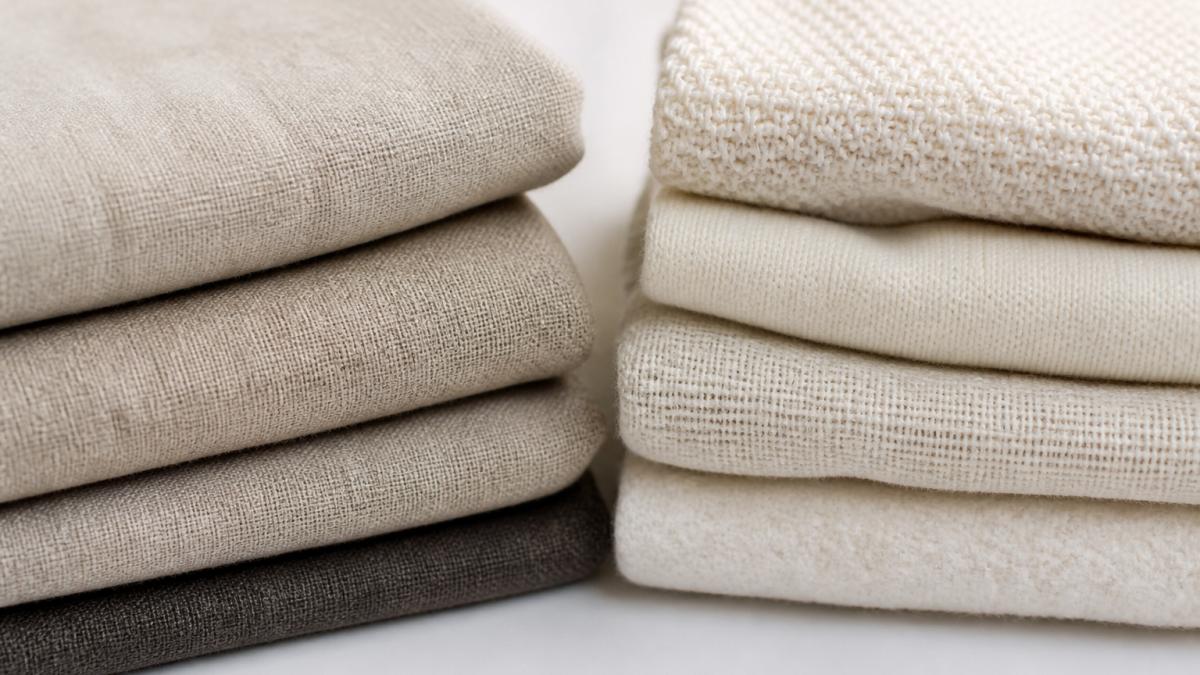
Organic Cotton vs. Regular Cotton: What Actually Matters
Organic cotton is grown without synthetic pesticides or fertilizers, which reduces chemical runoff and soil degradation.
The real difference shows up in durability and feel. Organic cotton fibers tend to be slightly softer and can hold dyes better, which means colors stay richer through repeated washing.
The Camille-Léopold Cotton Button-Up Shirt at $39.99 uses high-quality cotton that holds its shape and color through multiple seasons of wear.
Watch out: "Organic" doesn't automatically mean better for the planet. Organic cotton shipped halfway around the world has a higher carbon footprint than conventionally grown cotton from nearby.
Linen: Durability and Low-Impact Growth
Linen grows in cool climates with minimal pesticide use and regenerates the soil as it grows. It requires far less water than cotton and thrives in conditions where other crops struggle.
Where linen excels is longevity. Linen garments actually improve with age. The fibers soften with washing and wear, and linen resists pilling and degradation far better than cotton.
The trade-off is wrinkles. Linen wrinkles easily and requires ironing unless you embrace the relaxed aesthetic. It also shrinks slightly in the first wash, so sizing matters.
Linen also breathes exceptionally well, making it ideal for warm weather or layering in transitional seasons.
Lyocell and Modal: Regenerated Fibers Explained
Lyocell and modal are regenerated cellulosic fibers made from wood pulp, typically from sustainably managed forests. Unlike synthetic fibers that rely on petroleum, these fibers come from renewable plant material.
The catch: they still require intensive processing. The wood must be chemically broken down and reconstituted into fiber.
For performance, lyocell and modal are soft, breathable, and drape beautifully. They resist wrinkling better than linen and hold color well. They're also less prone to pilling than cotton.
The Men's Lyocell Linen Knitted Crew Neck T-Shirt Breathable at $59.95 blends lyocell with linen, combining the softness and breathability of regenerated fiber with linen's durability.
Recycled Polyester Sustainability: Trade-Offs and Reality
Recycled polyester diverts plastic bottles and textile waste from landfills, which sounds ideal. However, the reality is more complicated. Recycled polyester still sheds microfibers when washed, the same problem as virgin polyester.
The environmental math depends on context. Recycled polyester is better than virgin polyester when it prevents new plastic extraction. But it's worse than natural fibers if the alternative is organic cotton or linen.
For a sustainable capsule wardrobe, recycled polyester works best in pieces where durability and performance matter more than natural fiber feel. Athletic wear, outerwear linings, and accessories are appropriate uses. Avoid it for basics where natural fibers would work equally well.
| Fabric | Water Use | Pesticides | Durability | Best For | Care Notes |
|---|---|---|---|---|---|
| Organic Cotton | High | None | 3-5 years | T-shirts, basics | Machine wash, prone to shrinking |
| Linen | Low | Minimal | 7-10+ years | Shirts, pants, summer wear | Wrinkles easily, improves with age |
| Lyocell/Modal | Moderate | None (closed-loop) | 4-6 years | Layering, frequent wear | Gentle wash, drapes well |
| Recycled Polyester | Low | N/A | 2-4 years | Outerwear, activewear | Sheds microfibers, durability varies |
Durable Fabrics for Everyday Clothing: Cost-Per-Wear Matters
The most sustainable fabric is the one you actually wear. Cost-per-wear transforms how you think about sustainability. A $60 linen shirt worn 200 times costs 30 cents per wear.
Durable fabrics for everyday clothing share common traits: tight weaves that resist pilling, fibers that strengthen rather than weaken with washing, and natural resistance to staining and fading.
When you build a sustainable capsule wardrobe, prioritize pieces you'll reach for constantly. A versatile neutral piece worn three times per week for two years beats a trendy item worn five times total.
The Men's Linen Blend Band Collar Long Sleeve Shirt at $67.95 uses a linen blend for year-round versatility.
Fabric Blends and Trims: What to Look For
Pure fabrics are rare in modern clothing. Most pieces use blends because they combine benefits: cotton-linen blends get linen's durability with cotton's softness; wool-synthetic blends add stretch and reduce itching.
Men's Lyocell Linen Knitted Crew Neck T-Shirt Breathable →
What matters is the ratio. A 70% natural, 30% synthetic blend usually performs better than pure natural fiber. A 50/50 blend might sacrifice durability for cost savings.
Trims, zippers, buttons, thread, elastic, often get overlooked in sustainability conversations. Metal zippers last longer than plastic ones. Natural rubber elastic outlasts synthetic elastic. Bone or wood buttons beat plastic.
The Linen Blend Open Collar Knit Polo at $62.95 uses a linen-blend knit with ribbed cuffs and hem, showing how thoughtful construction extends garment life.
Care Instructions That Extend Garment Life
How you wash a garment matters as much as what it's made from. Cold water washing preserves color and fiber structure. Gentle cycles prevent abrasion that weakens fibers. Air drying extends fabric life compared to heat from dryers.
Linen benefits from occasional hot water washing, it actually strengthens the fibers. Cotton prefers cold water to prevent fading. Wool requires gentle handling and cool water to prevent felting.
Frequency of washing also matters. Wash less often when possible. Spot-clean stains instead of full washes. Air out worn items instead of washing after every wear. This extends fabric life and reduces water and energy use.
Verifying Sustainability Claims and Certifications
Not every "sustainable" label means what it claims. Marketing language like "eco-friendly," "green," and "natural" has no legal definition. Certifications carry more weight because they involve third-party verification.
GOTS (Global Organic Textile Standard) verifies that fabric is organic cotton and that production meets environmental and labor standards. Look for this on organic cotton pieces.
FSC (Forest Stewardship Council) certifies that wood used for regenerated fibers comes from responsibly managed forests. This matters for lyocell and modal.
OEKO-TEX tests fabrics for harmful chemicals, ensuring they're safe to wear.
Fair Trade certifications verify that workers were paid fairly and worked in safe conditions. This applies to both fiber production and garment manufacturing.
The absence of a certification doesn't mean a fabric is unsustainable, but certifications provide verifiable proof. Learn how to spot high quality clothing by examining construction details, fiber content, and certifications together.
Building Your Sustainable Capsule Wardrobe with Quality Fabrics
A sustainable capsule wardrobe starts with choosing fabrics that align with how you actually live. If you're in a warm climate, linen and lyocell make sense.
Start with neutral colors and classic cuts in durable fabrics. These pieces mix and match across seasons and styles.
Invest in pieces that solve real problems in your life rather than aspirational items you hope to wear.
Choose an ethical men's wardrobe guide to understand how to layer these pieces across seasons and occasions. Learn color palette guidance to ensure your pieces actually work together, which extends how often you wear each item.
Quality fabrics in a sustainable capsule wardrobe reduce the number of pieces you need. You wear fewer items more often, which means less shopping, less waste, and lower costs over time.
Start Your Sustainable Capsule with Quality Pieces
Building a sustainable capsule wardrobe doesn't require perfection. It requires intentionality. Choose fabrics that last. Understand the trade-offs between different materials. Invest in pieces you'll actually wear. Care for them properly so they survive years of use.
The best fabric for your sustainable capsule wardrobe is the one that matches your climate, your work environment, and your lifestyle. Natural fibers work beautifully for some situations. Regenerated fibers solve problems in others.
At Vinthentic, we believe that sustainable fashion means buying fewer items and choosing better ones. Our collections emphasize durable fabrics and timeless designs because sustainability isn't about trends, it's about pieces that actually last.
Frequently Asked Questions
What is the difference between organic cotton and regular cotton for a sustainable capsule wardrobe?
Organic cotton is grown without synthetic pesticides or fertilizers, reducing environmental harm during production. Regular cotton requires chemical inputs that can contaminate soil and water. For a sustainable capsule wardrobe, organic cotton offers better environmental credentials and often feels softer. However, both require water to grow. The real difference lies in farming practices, not durability, both fabrics have similar lifespans if cared for properly. Look for certifications like GOTS (Global Organic Textile Standard) to verify authenticity.
Is linen a good fabric for building a sustainable capsule wardrobe?
Linen is excellent for sustainable capsule wardrobes. It grows with minimal pesticides, requires less water than cotton, and becomes softer and more durable with every wash. Linen pieces like the Vinthentic Giomano Men's Linen Button-up ($39.99) last years with proper care. The fabric breathes well, suits multiple seasons, and develops character over time. Its main drawback is wrinkles, embrace them as part of the aesthetic, or factor in light ironing. Linen blends, such as the Men's Lyocell Linen Knitted Crew Neck T-Shirt ($59.95), combine linen's durability with added stretch and softness.
Are natural fabrics always more sustainable than synthetic fabrics?
Not always. While natural fibers like organic cotton and linen have lower chemical inputs, they require significant water and land. Recycled polyester diverts waste from landfills, though it sheds microfibers during washing. Lyocell and modal are regenerated cellulosic fibers made from wood pulp using closed-loop processes that recycle solvents, making them lower-impact than both conventional synthetics and some natural options. The most sustainable choice depends on the full lifecycle: sourcing, production, durability, and end-of-life recyclability. For a capsule wardrobe, prioritize durability and care-ability over fiber type alone.
How do I know if a fabric is sustainably made?
Look for third-party certifications: GOTS for organic cotton, FSC for lyocell and modal, and GRS (Global Recycled Standard) for recycled materials. Check brand transparency, do they disclose where and how fabrics are made? Avoid vague claims like 'eco-friendly' without specifics. For Vinthentic pieces, review product descriptions for fabric composition and sourcing details. Ask direct questions about certifications before buying. Sustainable fabric isn't just about the material; it's about verifiable production practices, fair labor standards, and water usage. Transparency from the retailer is your best indicator.
What fabrics last the longest in everyday clothing?
Linen, wool, and high-quality cotton last longest when cared for properly. Linen actually strengthens when wet, making it ideal for frequent washing. Wool resists pilling and odor, requiring fewer washes. Quality cotton, especially in heavier weights like denim, develops character and durability over years. Blended fabrics like the Eli Riva Men's Cotton Linen Harem Pants ($48.95) combine benefits: cotton's softness and linen's longevity. Cost-per-wear improves dramatically with durable fabrics, a $60 linen shirt worn 200 times costs $0.30 per wear, versus a $20 fast-fashion piece worn 10 times at $2.00 per wear. Invest in durability for true sustainability.
Ready to build a sustainable capsule wardrobe that actually works for your life? Explore Vinthentic's collection of quality basics in durable fabrics, linen, organic cotton, and thoughtful blends designed for everyday wear and real longevity. Shop NOW and invest in pieces that last.

Read more
Best Leather Boots for Wide Feet Men in 2026?
To find the best leather boots for wide feet men, start with accurate measurements. Compare toe-box room and sizing tips to pick a pair that lasts.
Read more
7 Steps to Break In New Leather Boots Fast
Break in leather boots fast with 7 practical steps that soften stiff leather, prevent blisters and protect the fit. Learn how to wear them comfortably.
Read more