
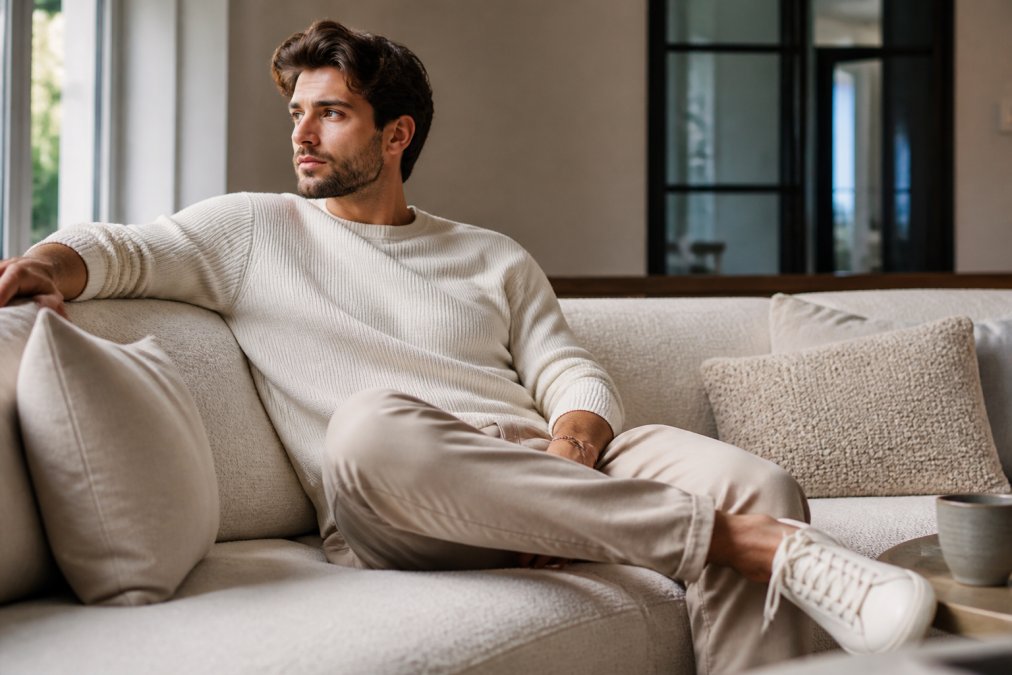
How to Dress Stylishly While Staying Comfortable
Table of Contents
- Start With the Best Comfortable Fabrics for Daily Wear
- Build a Capsule Wardrobe Essentials Rotation That Works
- Master How to Style Oversized Clothes Without Looking Sloppy
- Mix Textures and Layers for Visual Depth
- Choose Footwear That Keeps You Comfortable All Day
- Dress for Your Body Type Without Sacrificing Comfort
- Stay Comfortable at Work Without Losing Polish
- Frequently Asked Questions
Last Updated: September 23, 2026
Start With the Best Comfortable Fabrics for Daily Wear
The best comfortable fabrics for daily wear are natural fibers like cotton, linen, merino wool, and Tencel. These breathe, move with your body, and hold their shape through long days.
Fabric choice is where comfort begins. A great cut can't save scratchy polyester.
Staying comfortable starts with what touches your skin. Look for these:
- Cotton: Soft, breathable, easy to wash
- Linen: Cool in heat, gets softer with wear
- Merino wool: Warm without bulk, resists odor
- Tencel: Smooth drape, holds color well
Skip stiff synthetics for everyday basics. They trap heat and pill fast.
The FTC's textile labeling rules require brands to list fiber content clearly, so check tags before you buy.
This guide breaks down how to dress stylishly while staying comfortable without buying a whole new closet.
Build a Capsule Wardrobe Essentials Rotation That Works
A capsule wardrobe essentials rotation is a small set of versatile pieces you cycle through weekly. It cuts decision fatigue and keeps every outfit comfortable.
Start with 15 to 20 core items:
- Two pairs of well-fitting trousers
- Three to four breathable tops
- One structured blazer
- Two knit sweaters
- One pair of quality loafers
- A neutral jacket
Rotate them instead of chasing trends. Each piece should work with at least three others.
This is how you dress stylishly while staying comfortable on autopilot. Fewer, better pieces beat a stuffed closet.
Master How to Style Oversized Clothes Without Looking Sloppy
To style oversized clothes well, balance volume with structure. One loose piece per outfit, then keep the rest fitted.
The trick is proportions. An oversized sweater needs slim trousers. Wide-leg pants need a tucked-in top.
Follow these rules:
- Tuck the front of a loose shirt for shape
- Roll sleeves to show your wrists
- Add a belt to define your waist
- Pair one baggy piece with one tailored piece
Vogue's styling guides consistently show this balance in editorial looks.
Oversized doesn't mean shapeless. It means intentional.
Mix Textures and Layers for Visual Depth
Texture and layering turn a plain outfit into a polished one. Combine smooth and rough fabrics for contrast.
Try these pairings:
- Linen shirt under a chunky knit
- Smooth leather loafers with textured wool trousers
- A cotton tee beneath a soft suede jacket
Textural contrast adds depth without extra color. Layering also lets you adjust to temperature changes through the day.
A cardigan over a tee, or a light overshirt, keeps you cozy indoors and out. Build layers that peel off easily.
Choose Footwear That Keeps You Comfortable All Day
The right footwear is the foundation of all-day comfort. Look for a cushioned footbed and a supportive sole.

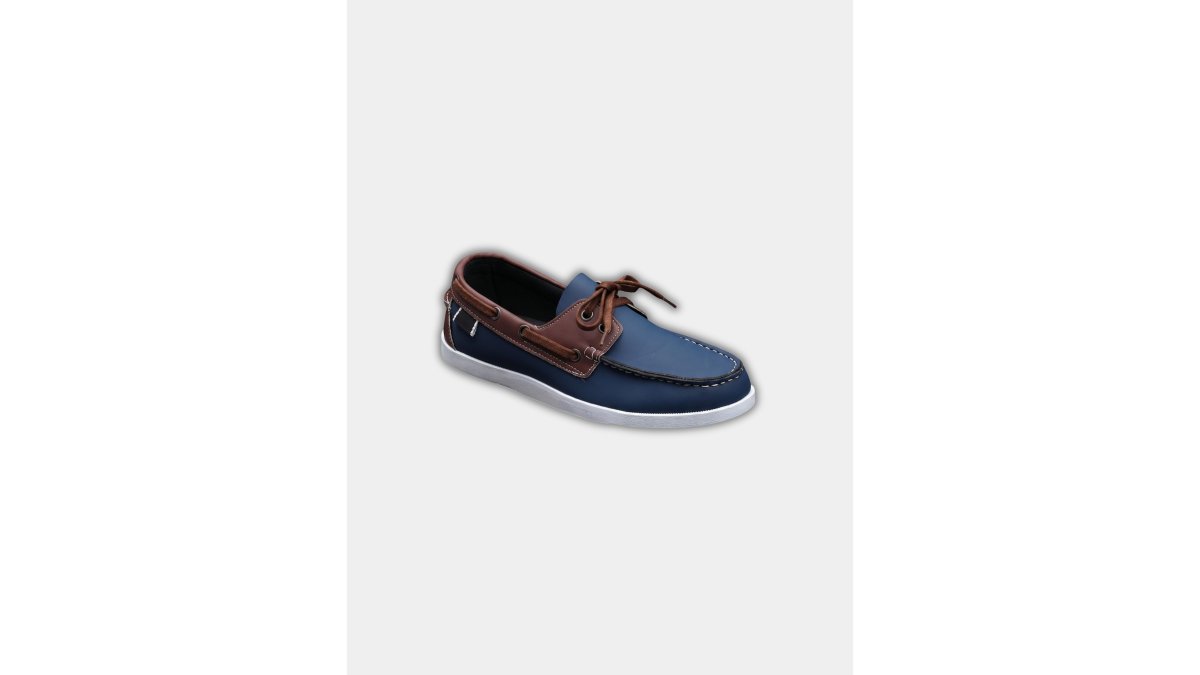
Leather loafers work for both office and weekend. They pair with denim, dresses, and tailored trousers.
Vinthentic's Loafers With Cushioned Footbed And Everyday Grip are built for exactly this. A clean upper and grippy sole move from workday to weekend.
For a lighter option, the Cushioned Everyday Loafers With Supportive Sole offer comfort with a clean, versatile silhouette.

Dress for Your Body Type Without Sacrificing Comfort
Most comfort-styling advice is written for one body and quietly assumes everyone else will adapt. That's backwards. Comfort comes from working with your proportions, not forcing them into a generic silhouette.
The mechanism is simple: comfort breaks down when fabric pulls, gaps, or bunches at a specific point on your frame.
Pear (narrower shoulders, fuller hips and thighs)
- Friction point: waistbands dig in and tops ride up over the hip.
- Fix: choose tops with a bit of structure at the shoulder, a defined seam, a slight puff, or a boat neck, to visually balance the lower half. For bottoms, look for mid-rise cuts with a curved waistband and 2-4% elastane. That small amount of stretch lets the fabric move without sagging by mid-afternoon.
- Skip: stiff, zero-stretch denim and boxy cropped tops that end at the widest part of the hip.
Apple (fuller midsection, narrower hips)
- Friction point: waistbands cut in, and tucked tops create pressure across the stomach.
- Fix: reach for empire seams, A-line skirts, and tops that skim rather than cling. V-necks and open cardigans draw the eye vertically. High-rise bottoms with a wide, flat waistband distribute pressure better than thin elastic.
- Skip: tight waistbands, stiff belted trenches, and heavy tucked-in knits.
Athletic (straight through the waist, broader shoulders)
- Friction point: clothes hang without shape, so "comfortable" reads as "sloppy."
- Fix: create curves with fabric, not padding. Wrap tops, belted shirt dresses, and peplum hems add shape without pressure. Softer shoulder seams, raglan or dropped, reduce the boxy look.
- Skip: structured blazers with sharp shoulder pads and straight-cut shift dresses.
Hourglass (defined waist, balanced bust and hips)
- Friction point: fabrics that don't follow the waist either pull across the bust or bag at the small of the back.
- Fix: prioritize stretch wovens and knits with memory, fabrics that return to shape. Wrap dresses, belted cardigans, and high-waisted bottoms with a contoured waistband work with the natural line instead of fighting it.
- Skip: boxy tunics and stiff, non-stretch button-downs that gap at the bust.
Tall frames
- Friction point: standard inseams and sleeve lengths run short, which reads as ill-fitting rather than comfortable.
- Fix: look for tall sizing or brands that list actual inseam measurements. Longer layers, a duster cardigan, a midi skirt, use the vertical line instead of fighting it.
Petite frames
- Friction point: excess fabric swallows the frame and adds visual weight.
- Fix: keep hems tailored, choose cropped jackets that hit at the high hip, and favor monochrome looks that create one continuous line. A tailor can shorten a hem for a modest fee, and it's often the single highest-return alteration you can make.
Comfort styling isn't about hiding your shape. It's about removing the friction points so the clothes disappear and you don't have to think about them again.
Stay Comfortable at Work Without Losing Polish
Build a work rotation around four categories
- Knit blazers over wool blazers. A ponte or double-knit blazer holds a clean line but stretches with you. It reads as a jacket in a meeting and feels like a cardigan on a long commute. Look for a soft shoulder, no padding, and a slightly longer hem that covers the seat when you sit.
- Stretch trousers with a clean line. Four-way stretch ponte or a wool blend with 2-3% elastane gives you a pressed look without the pinch. A flat-front, mid-rise cut with a hidden elastic side panel is the quiet workhorse here.
- Merino or fine-gauge cotton sweaters over collared shirts. Merino regulates temperature, resists odor, and layers under a blazer without bulk. A collared shirt underneath keeps the neckline office-appropriate; the sweater does the comfort work.
- Loafers with cushioned insoles. A leather upper reads polished; a cushioned footbed and grippy outsole handle the walking. This is the single highest-leverage swap in a work wardrobe.
Match the dress code, not the trend
The hybrid-week test
- Sit for an hour. Does the waistband dig? Do the trousers crease permanently at the hip?
- Walk a block. Do the loafers rub at the heel? Does the blazer stay on your shoulders?
- Take a video call. Does the collar sit clean on camera? Does the sweater pill under the arms?
- Eat lunch. Does anything stain or wrinkle beyond recovery?
The care piece that keeps polish alive
That settles the practical side. What's left is the mindset.
Frequently Asked Questions
What fabrics are best for comfortable yet stylish clothing?
Natural fibers like cotton, linen, merino wool, and Tencel breathe well and hold their shape, so they look polished while keeping you cool or warm as needed. Cotton poplin works for structured shirts, linen suits keep their shape in summer, and merino wool regulates temperature without bulk. Blends with a small amount of elastane add stretch for movement. Avoid stiff synthetics that trap heat or wrinkle badly, since they undermine both comfort and appearance.
How can I dress comfortably without sacrificing style?
Start with well-fitted base layers in comfortable fabrics, then add one structured piece like a blazer, a leather loafer, or a tailored trouser. The contrast between soft and structured elements keeps the outfit looking intentional. Build a capsule wardrobe of versatile staples so you always have polished options that feel good. Cushioned footwear, like loafers with a supportive footbed, makes a noticeable difference during long days on your feet.
What is the 3-3-3 rule for clothes?
The 3-3-3 rule is a packing and wardrobe framework: three tops, three bottoms, and three pairs of shoes create at least nine outfit combinations. It works because each piece must coordinate with the others, which forces you to choose versatile, comfortable staples in neutral or complementary colors. The rule simplifies getting dressed, reduces decision fatigue, and ensures every item earns its place in your closet.
How do I choose the right fit for a polished look?
Fit matters more than brand or price. Shoulders should sit at your natural shoulder line, sleeves should end at your wrist bone, and trousers should break once at the shoe. For comfort, look for an easy all-day fit that allows movement without looking baggy. Try pieces on and check how they feel when you sit, walk, and reach. A tailor can adjust hems and waistbands affordably, turning a good fit into a great one.
Dressing well shouldn't cost you comfort. The real challenge is finding pieces that hold up in the office, on the weekend, and everywhere between.
Vinthentic builds footwear and staples around that balance, with genuine leather craftsmanship, handcrafted precision, and comfort-focused design made for everyday wear. More than 20,000 customers have made the switch.
Get started with Vinthentic and build a wardrobe that feels as good as it looks.
Read more
Comfort-Focused Design for Your Online Clothing Store
Discover how comfort-focused design for your online clothing store boosts sales. Learn fabric descriptions, photography, and UX tips to convert browsers.
Read more
Best Durable Leather Belts for Heavy Duty Everyday Wear
Find the best durable leather belts for heavy duty everyday wear. Compare full-grain options, thickness, and hardware to pick a belt that lasts. Explore.
Read more