
How to Build a Capsule Wardrobe: 2026 Guide
Table of Contents
- What a Capsule Wardrobe Actually Is (And Why It Works)
- How to Declutter Your Closet Before You Build
- Choosing Your Capsule Wardrobe Color Palette
- The Capsule Wardrobe Checklist: Essential Items to Own
- Quality Over Quantity: Fit, Fabric, and Cost Per Wear
- Mixing, Matching, and Seasonal Transitions
- Budget-Conscious Capsule Building: Getting More From Less
- Conclusion
Last Updated: August 25, 2026
What a Capsule Wardrobe Actually Is (And Why It Works)
A capsule wardrobe is a curated collection of high-quality, versatile clothing pieces that work together seamlessly, replacing the chaos of an overstuffed closet with intentional simplicity. The concept, rooted in slow fashion and minimalism, holds that owning fewer but better items produces more outfit combinations, not fewer.
Here's the part most guides miss: the goal isn't to own less. It's to own smarter. A well-built capsule system means every piece earns its place by pairing with at least three others. Nothing sits unused. Nothing forces a compromise.
This guide walks through exactly how to do that, from the initial wardrobe audit through to budget-conscious capsule building and seasonal transitions.
The payoff is real: less decision fatigue in the morning, fewer impulse purchases, and a closet that actually reflects who you are.
How to Declutter Your Closet Before You Build
Decluttering is the foundation of how to build a capsule wardrobe that actually functions. You cannot layer a capsule system on top of a disorganized closet. The edit has to come first.
The Wardrobe Audit: Keep, Donate, or Discard
A wardrobe audit is a systematic review of every item you own, evaluated against clear criteria: fit, condition, frequency of wear, and versatility.
Pull everything out. Not some things. Everything. Lay it across your bed or hang it in a single visible row. Then work through three categories:
- Keep: Worn in the last 12 months, fits well, pairs with multiple other pieces
- Donate: Good condition but not right for your current life or style direction
- Discard: Worn out, damaged, or so far from your aesthetic that no one benefits from it
The cost-per-wear test is useful here. A shirt worn 80 times costs far less per use than one worn twice, regardless of the original price tag. If you can't picture wearing something 30 more times, it probably doesn't belong in a capsule wardrobe.
According to The Minimalists' guide to intentional living, the average American home contains over 300,000 items. Clothing is one of the most common categories of excess. Decluttering isn't just aesthetic, it's clarifying.
Identifying Gaps in Your Current Wardrobe
Once the edit is done, you'll likely see patterns. Maybe you have eight casual t-shirts but no reliable outer layer. Maybe your bottoms are all dark denim with nothing that transitions to a professional setting.
Make a simple list: what do you actually need versus what you've been accumulating by default? This gap analysis drives your shopping list and prevents the common mistake of buying more of what you already have.
Choosing Your Capsule Wardrobe Color Palette
The biggest structural decision in capsule curation isn't which items to buy. It's what colors those items come in.
Neutral Tones as Your Foundation
Neutral tones, navy, white, grey, camel, black, and cream, form the backbone of any functional capsule wardrobe color palette. The reason is simple: neutrals mix and match with almost anything, which multiplies your outfit combinations without requiring more pieces.
A practical starting point is the 80/20 split: roughly 80% of your capsule in neutrals, 20% in accent colors. This ratio keeps the wardrobe cohesive while leaving room for personality.
Adding Accent Colors Without Losing Versatility
Accent colors work best when they complement your neutrals rather than compete with them. Earth tones, rust, olive, burgundy, forest green, sit naturally beside navy and grey without requiring a complete outfit rebuild.
The test for any accent piece: does it pair with at least three of your existing neutrals? If yes, it earns its place. If not, it's a wardrobe island, a piece that forces you to buy around it rather than working with what you have.
The Capsule Wardrobe Checklist: Essential Items to Own
A capsule wardrobe checklist is most useful when it's specific to your actual life, not a generic list copied from a fashion blog. That said, certain categories show up in nearly every functional capsule system because of their raw versatility.
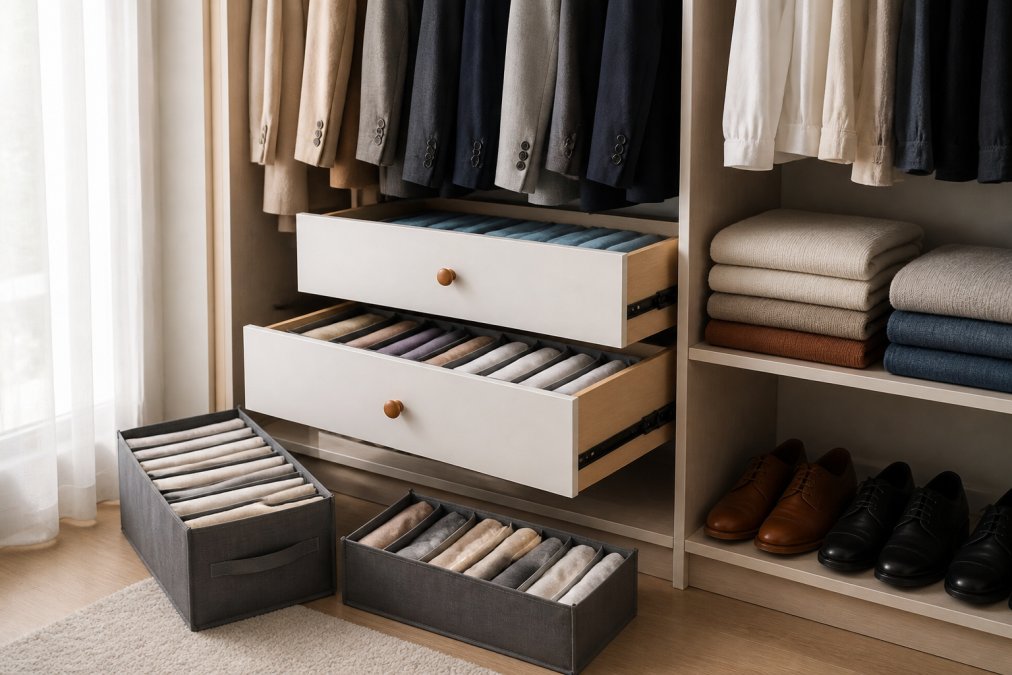
The following checklist covers the core categories. Adjust quantities based on your lifestyle, someone working from home needs a different balance than someone in a client-facing professional role.
| Category | Core Items | Recommended Quantity |
|---|---|---|
| Tops | Neutral t-shirts, linen shirts, one dress shirt | 5-7 |
| Bottoms | Slim trousers, dark denim, chinos | 3-4 |
| Outer Layers | Blazer, lightweight jacket, overcoat | 2-3 |
| Footwear | Leather dress shoes, clean sneakers, loafers | 2-3 pairs |
| Accessories | Belt, watch, minimal bag | 2-3 |
Tops, Bottoms, and Outer Layers
Start with tops that anchor your palette. A quality linen shirt in white or light blue works across casual and semi-formal settings. The Barbos Men's Linen Shirt from Vinthentic fits that brief precisely, crafted in cotton-linen blend, breathable, and true to size, it handles a restaurant dinner as easily as a weekend errand.

For bottoms, slim-fit trousers in a neutral tone carry the most mileage. The Niccolò Costanzo Slim Business Casual Pants offer a tailored silhouette that reads professional in a finance setting without sacrificing comfort across a full workday.
The outer layer is where many capsule wardrobes fall short. A well-cut blazer is the single most versatile investment piece in a man's wardrobe, it elevates a linen shirt and trousers into a polished look, or layers over a t-shirt for smart-casual. The Vinthentic Lazio Casual Blazer handles both roles with high-quality construction and a versatile design that doesn't lock you into one setting.
Footwear and Accessories That Do the Heavy Lifting
Footwear is where cost-per-wear math becomes most obvious. A pair of well-crafted leather shoes worn 200 times over three years costs far less per wear than a cheap pair replaced every six months.
Accessories should follow the same logic: a quality leather belt, a clean watch, and one reliable bag. These items frame an outfit without demanding attention. Keep them in your core palette colors, and they'll work with everything.
Quality Over Quantity: Fit, Fabric, and Cost Per Wear
The capsule wardrobe philosophy lives or dies on this principle. Quantity is the enemy of a functional capsule system.
Fit is non-negotiable. A premium fabric in the wrong cut looks worse than a mid-range fabric that fits correctly. Slim trousers that hit the right break, a shirt that sits cleanly at the shoulder, these details determine whether a piece looks intentional or accidental.
Fabric choice affects both aesthetics and longevity. Natural fibers, wool, cotton, linen, leather, breathe better, age more gracefully, and hold their shape longer than synthetic blends. This is where genuine craftsmanship separates investment pieces from fast-fashion alternatives.
Cost per wear reframes how you evaluate a purchase. Divide the price of any item by the number of times you realistically expect to wear it. A $60 shirt worn 60 times costs $1 per wear. A $15 shirt worn 5 times costs $3 per wear. The math consistently favors quality. As documented in research on sustainable fashion consumption, fast fashion's low sticker price conceals significantly higher long-term cost when replacement frequency is factored in.
:::pro-tip When evaluating a potential capsule piece, hold it against your three most-worn items. If you can't immediately picture an outfit combining all four, reconsider the purchase. Capsule building is about system thinking, not individual pieces. :::
Mixing, Matching, and Seasonal Transitions
The real test of a capsule wardrobe isn't how it looks in the closet. It's how many distinct outfits it produces in practice.
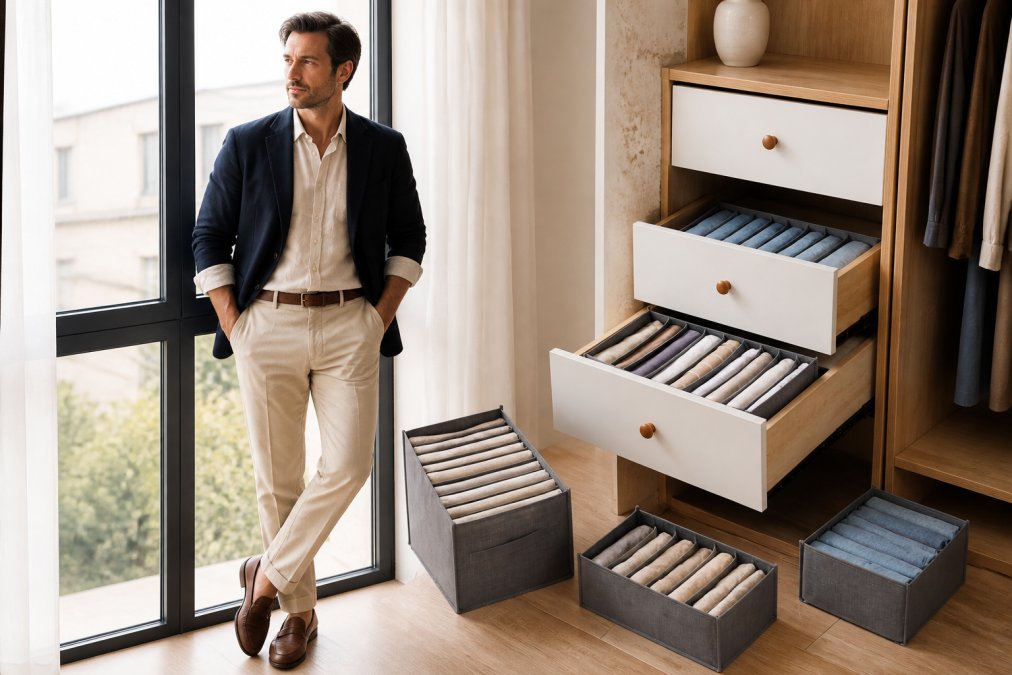
Building Outfits From a Small Set of Pieces
A 30-piece capsule wardrobe, built around a coherent color palette, can produce well over 50 distinct outfits. The math works because every top pairs with every bottom, and the outer layer shifts the register of the same combination.
A practical exercise: photograph your ten most-worn items and arrange them in a grid. Then systematically pair tops with bottoms and note which combinations work. Most people discover they've been wearing the same five combinations out of habit, not necessity. The capsule system forces intentionality that reveals what's actually possible.
The layering principle extends this further. A linen shirt worn open over a t-shirt reads differently than the same shirt buttoned and tucked. Add a blazer and you've shifted the outfit register entirely, three looks from two pieces.
Adapting Your Capsule for Warmer and Cooler Months
Seasonal transitions are where many capsule wardrobes break down. The fix is a modular approach: a core set of year-round pieces supplemented by a small seasonal module of five to eight items.
Year-round pieces, slim trousers, leather shoes, a blazer, anchor both seasons. In warmer months, linen shirts and lighter-weight chinos move to the front of the rotation. In cooler months, a wool overcoat and heavier knitwear layer over the same core pieces.
The key is resisting the urge to build a separate seasonal wardrobe. Seasonal capsule modules should connect to your core palette, not introduce new colors that don't coordinate with your existing pieces. According to guidance on sustainable wardrobe practices, the most sustainable wardrobe approach is one that maximizes use of existing pieces rather than seasonal replacement.
Budget-Conscious Capsule Building: Getting More From Less
Building a capsule wardrobe doesn't require spending heavily upfront. The budget-conscious approach prioritizes sequence: buy the highest-mileage pieces first and add deliberately over time.
Start with the items you reach for most in your current wardrobe. If you wear trousers five days a week, that's where quality investment pays off fastest. The Martin Men's Casual Trousers offer a slim-fit, stretch-cotton construction at an accessible price point, a practical starting piece for a capsule built around versatility.

A sequenced buying strategy looks like this:
- Audit first, buy second. Identify genuine gaps before spending anything.
- Prioritize highest-frequency items. Buy quality where you'll see the most wear.
- Use cost-per-wear as your filter. A higher upfront cost is justified when wear frequency is high.
- Add one piece per month. Deliberate, spaced purchasing prevents impulse additions that break the system.
- Resist trend-driven purchases. Timeless pieces retain their value in both aesthetics and resale.
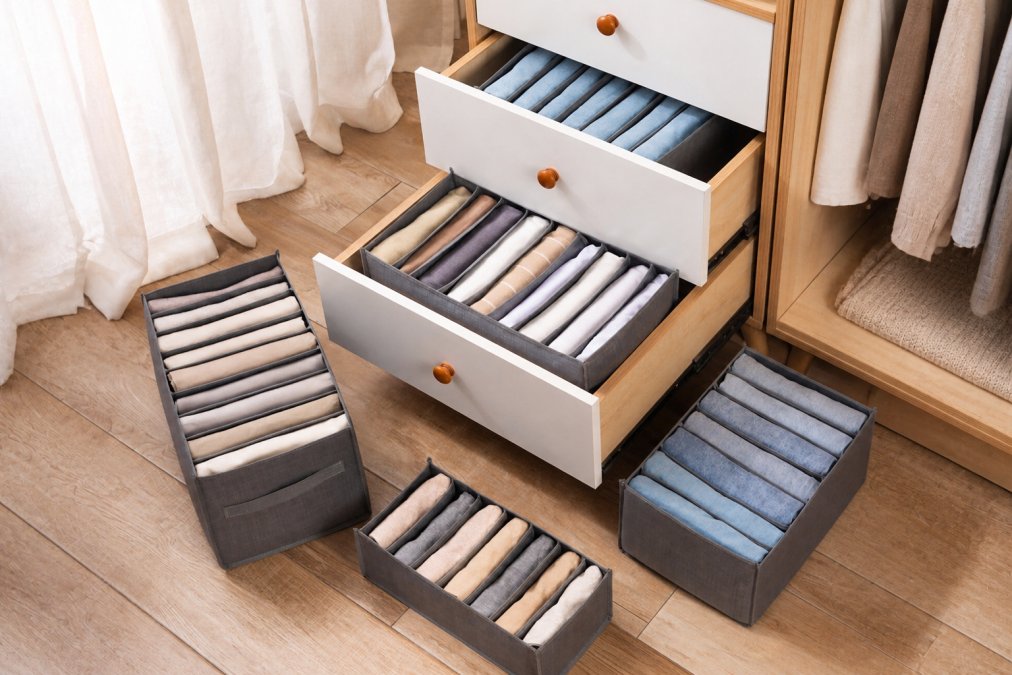
Closet organization matters here too. When your wardrobe is visible and accessible, you wear more of what you own. The Vinthentic HomeHub Closet Organizer makes the capsule system visible, maximizing storage space so every piece stays accessible rather than buried.

Sustainability is a natural byproduct of this approach. Buying less but better, and wearing each piece more, reduces the environmental cost of your wardrobe without requiring a lifestyle overhaul. The EPA's guidance on textile waste and sustainable consumption notes that extending the life of clothing is one of the most impactful actions consumers can take to reduce textile waste.
The capsule wardrobe, at its core, is a commitment to intentional shopping. Every purchase is evaluated against the system, not made in isolation. That shift in thinking is what separates a functional capsule from a smaller version of the same cluttered closet.
Building a capsule wardrobe takes clarity, patience, and a willingness to make deliberate choices rather than reactive ones. The process rewards those who start with an honest audit, commit to a color palette, and invest in pieces that earn their place through versatility and longevity. Vinthentic's collection of premium wardrobe staples, from the Lazio Blazer to the Niccolò Costanzo slim trousers, is designed specifically for this kind of intentional building. Each piece is crafted for everyday wear, genuine quality, and timeless style that holds up well beyond a single season. Shop NOW and start building a wardrobe that actually works.
=== FAQ ANSWERS (audit these too, same rules) ===
[1] Q: How many items should be in a capsule wardrobe? A: Most capsule systems work best with 25 to 40 pieces total, including tops, bottoms, outer layers, and shoes. The exact number depends on your lifestyle, someone in a corporate setting needs more polished options, while a casual dresser can function comfortably with fewer. The goal is that every item earns its place by mixing with at least three other pieces in your wardrobe.
[2] Q: What is the 5-4-3-2-1 capsule wardrobe method? A: The 5-4-3-2-1 method structures your capsule around five tops, four bottoms, three outer layers, two pairs of shoes, and one statement piece. It's a practical starting framework for anyone building from scratch. The numbers keep decision fatigue low while ensuring enough variety to dress for different occasions. You can scale each category up once you've confirmed the core pieces work together.
[3] Q: How do I choose a color palette for my capsule wardrobe? A: Start with two or three neutral tones, navy, white, grey, camel, or black, as your foundation. These mix and match without effort. Then add one or two accent colors that complement your skin tone and appear in at least three pieces each. Keeping your palette tight means almost everything you own coordinates automatically, which is the real efficiency gain of a capsule system.
[4] Q: What are the most common capsule wardrobe mistakes to avoid? A: The biggest mistakes are buying items that don't coordinate with what you already own, skipping fit adjustments on otherwise good pieces, and choosing trend-driven items instead of timeless ones. Many people also build a capsule that only covers one context, work or weekend, rather than pieces that transition between both. Prioritizing cost per wear over upfront price solves most of these problems.
[5] Q: How often should you refresh your capsule wardrobe? A: A full wardrobe audit twice a year, typically at the start of spring and fall, keeps your capsule current without encouraging constant shopping. At each audit, remove anything worn out, ill-fitting, or unused in the past season. Add one or two intentional pieces to fill genuine gaps. This slow fashion approach extends the life of investment pieces and keeps your closet from drifting back toward clutter.
[6] Q: Can a capsule wardrobe work for a professional corporate environment? A: Yes, a well-built capsule is especially effective in professional settings. Slim-fit trousers, a structured blazer, quality leather footwear, and a few refined shirts cover the majority of office and formal occasions. The key is choosing pieces in polished fabrics and clean silhouettes. Timeless items in neutral tones read as sophisticated rather than casual, making them appropriate across most corporate dress codes.
Frequently Asked Questions
How many items should be in a capsule wardrobe?
Most capsule systems work best with 25 to 40 pieces total, including tops, bottoms, outer layers, and shoes. The exact number depends on your lifestyle, someone in a corporate setting needs more polished options, while a casual dresser can function comfortably with fewer. The goal is that every item earns its place by mixing with at least three other pieces in your wardrobe.
What is the 5-4-3-2-1 capsule wardrobe method?
The 5-4-3-2-1 method structures your capsule around five tops, four bottoms, three outer layers, two pairs of shoes, and one statement piece. It's a practical starting framework for anyone building from scratch. The numbers keep decision fatigue low while ensuring enough variety to dress for different occasions. You can scale each category up once you've confirmed the core pieces work together.
How do I choose a color palette for my capsule wardrobe?
Start with two or three neutral tones, navy, white, grey, camel, or black, as your foundation. These mix and match without effort. Then add one or two accent colors that complement your skin tone and appear in at least three pieces each. Keeping your palette tight means almost everything you own coordinates automatically, which is the real efficiency gain of a capsule system.
What are the most common capsule wardrobe mistakes to avoid?
The biggest mistakes are buying items that don't coordinate with what you already own, skipping fit adjustments on otherwise good pieces, and choosing trend-driven items instead of timeless ones. Many people also build a capsule that only covers one context, work or weekend, rather than pieces that transition between both. Prioritizing cost per wear over upfront price solves most of these problems.
How often should you refresh your capsule wardrobe?
A full wardrobe audit twice a year, typically at the start of spring and fall, keeps your capsule current without encouraging constant shopping. At each audit, remove anything worn out, ill-fitting, or unused in the past season. Add one or two intentional pieces to fill genuine gaps. This slow fashion approach extends the life of investment pieces and keeps your closet from drifting back toward clutter.
Can a capsule wardrobe work for a professional corporate environment?
Yes, a well-built capsule is especially effective in professional settings. Slim-fit trousers, a structured blazer, quality leather footwear, and a few refined shirts cover the majority of office and formal occasions. The key is choosing pieces in polished fabrics and clean silhouettes. Timeless items in neutral tones read as sophisticated rather than casual, making them appropriate across most corporate dress codes.
This article was written using GrandRanker
Read more
Best Quality Leather Boots for Men: 2026 Guide
Quality leather boots for men reviewed: construction, leather grades, and top picks from $64.99. Find the right pair for your style and budget. Shop NOW.
Read more
How to Spot High Quality Leather: A 2026 Guide
Learn how to spot high quality leather using smell, texture, grain, and edge tests. Discover what separates real from fake. Find your next piece today.
Read more



%0A%0AHow%20to%20Declutter%20Your%20Closet%20Before%20You%20Build%0A%0AThe%20Wardrobe%20Audit:%20Keep,%20Donate,%20or%20Discard%0AIdentifying%20Gaps%20in%20Your%20Curre...)