
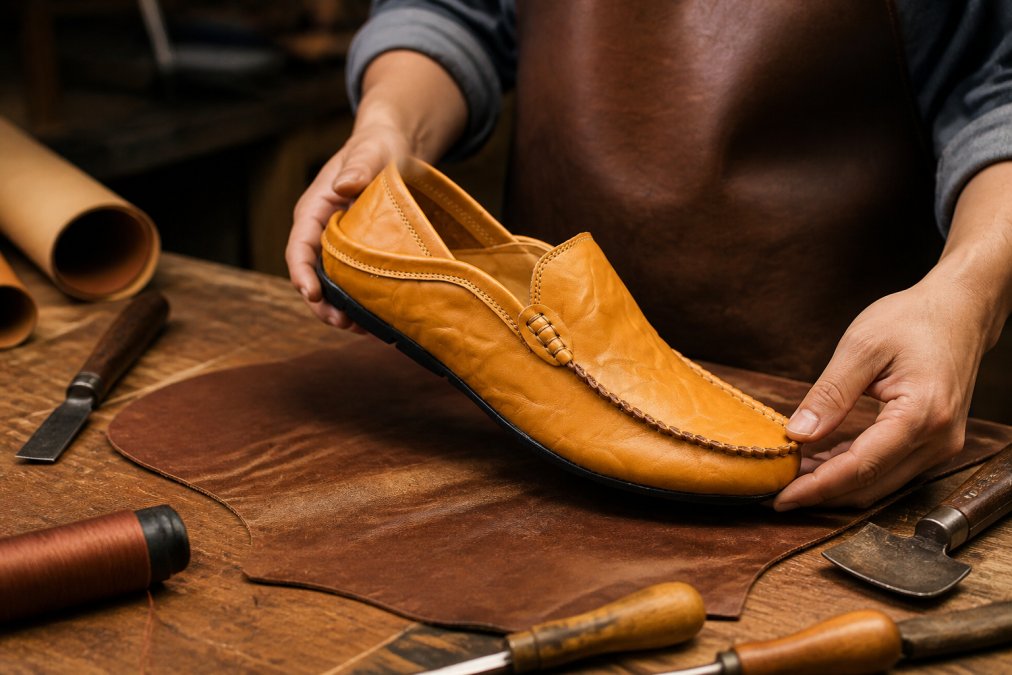
How to Spot High Quality Leather: A 2026 Guide
Table of Contents
- Understanding Leather Grades: Full Grain vs Top Grain Leather and Beyond
- How to Tell If Leather Is Real: 5 Hands-On Tests
- How to Spot High Quality Leather by Examining Grain and Texture
- Tanning Processes: What They Reveal About High Quality Leather
- Sustainability and Ethical Sourcing Indicators
- How to Care for Premium Leather to Preserve Its Quality
- Conclusion
Last Updated: August 26, 2026
Understanding Leather Grades: Full Grain vs Top Grain Leather and Beyond
High quality leather starts with understanding how hides are graded, and most buyers never learn this until after a disappointing purchase. At Vinthentic, we've built our footwear and accessories around genuine leather craftsmanship, which means knowing exactly where each grade sits on the quality spectrum. Here's a clear breakdown before you spend a dollar on any leather piece.

| Leather Grade | Source Layer | Surface Treatment | Durability | Best For |
|---|---|---|---|---|
| Full Grain | Outermost hide layer | Minimal or none | Highest | Premium footwear, bags, belts |
| Top Grain | Sanded outer layer | Light coating applied | High | Mid-range goods, wallets |
| Genuine Leather | Inner split layers | Heavy surface coating | Moderate | Entry-level accessories |
| Bonded Leather | Leather scraps + adhesive | Polyurethane coating | Low | Budget items, furniture |
Full Grain Leather
Full grain leather is the highest quality classification available. It uses the complete outermost layer of the hide, with natural grain pattern, pores, and any imperfections left intact. Because the fiber density at this layer is tightest, full grain leather offers superior tear resistance and tensile strength. Over time, it develops a patina, a deepening, darkening sheen that only genuine animal hide produces. This pull-up effect, where the leather lightens under pressure and returns to its original tone, is a hallmark of full grain quality.
Top Grain Leather
Top grain leather comes from the same outer layer, but the surface is lightly sanded to remove natural blemishes. A surface coating is then applied to create a more uniform appearance. The result is a cleaner, more consistent look, but at a cost. Sanding disrupts the tight fiber structure, reducing breathability and long-term durability compared to full grain. Top grain remains a legitimate quality tier for everyday goods; it just won't age the same way.
Genuine Leather and Bonded Leather
The word "genuine" on a label is one of the most misleading terms in retail. Genuine leather is technically real leather, but it comes from the inner split layers of the hide after the top layers have been removed. These inner layers have looser fiber density, less suppleness, and require heavy surface coating to look presentable. Bonded leather goes further: it's made from leather scraps and fibers bonded together with adhesive and coated with polyurethane. According to the Leather Working Group's material standards, bonded leather typically contains as little as 10-20% actual leather fiber. It peels, cracks, and deteriorates quickly.
How to Tell If Leather Is Real: 5 Hands-On Tests
Knowing how to tell if leather is real doesn't require a lab. A few simple physical tests reveal more than any label will. These methods work on shoes, bags, belts, and wallets, anywhere you're evaluating before you buy.
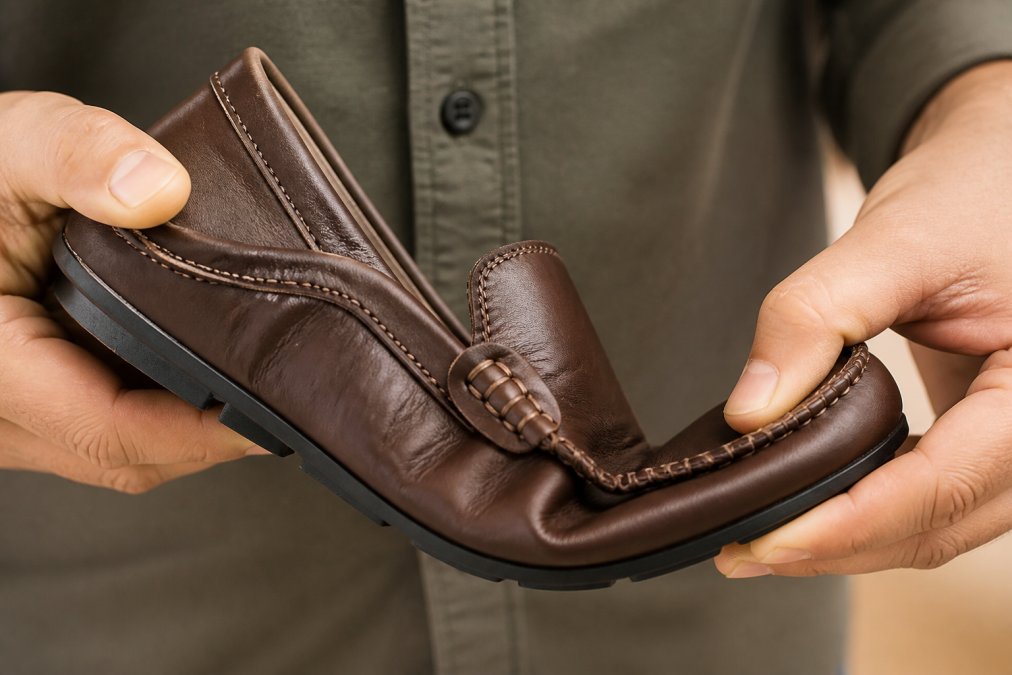
The Smell Test
Real leather has a distinctive, organic smell, earthy, slightly animal, and complex. Synthetic materials, including faux leather and bonded leather, smell like plastic or chemicals, especially when warm. This is one of the fastest and most reliable tests. Press the material gently between your hands to warm it slightly, then smell. If the scent is flat, plasticky, or artificial, the material is almost certainly synthetic or heavily coated. A rich, organic odor is a strong indicator of genuine hide.
The Water Absorption Test
Place a small drop of water on an inconspicuous area of the leather. High quality leather absorbs moisture gradually, you'll see the surface darken slightly within 30 seconds as the water penetrates the hide's natural porosity. Synthetic leather and heavily coated genuine leather will bead the water up and repel it entirely, because the coating seals the surface. This test works particularly well for distinguishing full grain and vegetable tanned leather from corrected grain or faux alternatives.
The Flexibility and Bend Test
Fold a corner of the leather gently and watch how it responds. Genuine leather creases naturally and springs back with a soft, supple elasticity. The crease area may lighten slightly under pressure, that's the pull-up effect in action. Synthetic and bonded materials either crease stiffly without recovery or crack at the fold line. Resilient, flexible behavior under bending is a consistent indicator of real hide. A common mistake is confusing stiffness with quality, new leather can be stiff, but it should still show elasticity rather than brittleness.
How to Spot High Quality Leather by Examining Grain and Texture
Surface examination is where experienced buyers separate premium hides from imitations. The grain pattern of genuine leather is irregular and unique, no two sections of a hide are identical. Synthetic leather, by contrast, is manufactured with a stamped, repeating texture that looks identical across the entire surface.
Natural Imperfections, Fat Wrinkles, and Pores
Look closely at the grain surface. Full grain and top grain leather will show subtle variations: small pores, slight marbling in the fiber structure, and fat wrinkles, the faint creases that form naturally in areas where the animal's skin had more movement, such as the neck or belly. These aren't flaws. They're proof of origin. Corrected grain leather has these characteristics sanded away and replaced with an artificial pattern, which is why it looks too uniform. Faux leather shows a perfectly repeated embossed texture under close inspection.
The pores in genuine leather are irregular in size and spacing. Under a magnifying glass or even a smartphone camera macro mode, real pores appear random and organic. Synthetic pores are evenly spaced and identical in shape.
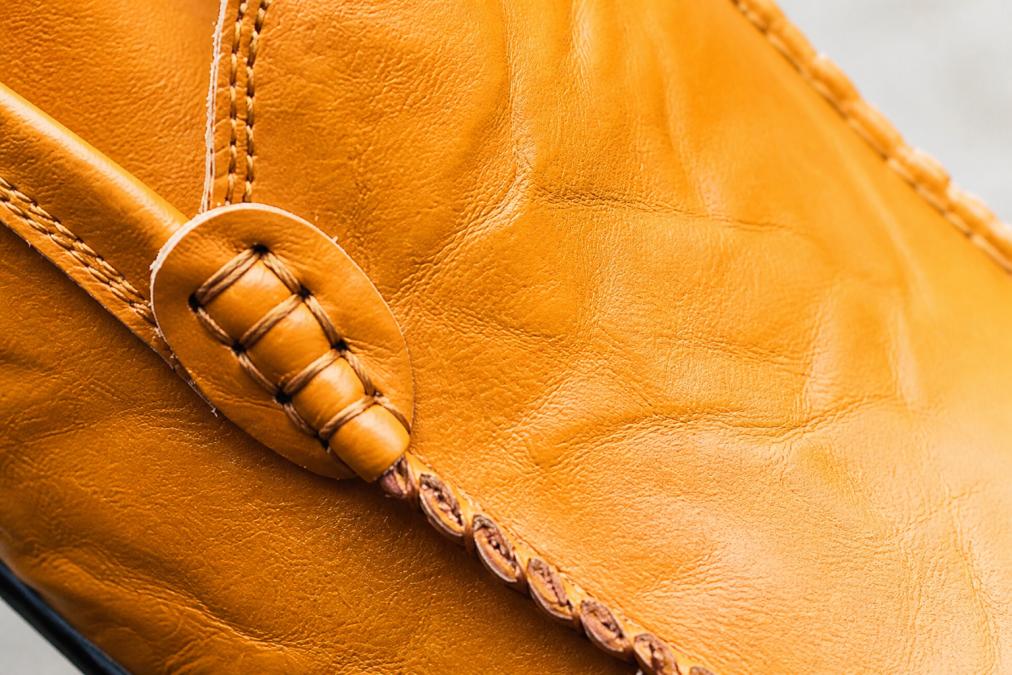
Edge Finishing and Cross-Section Analysis
The edges of a leather piece tell a clear story. High quality leather goods, particularly footwear and bags, have edges that are burnished, painted, or folded cleanly. Burnished edges show a smooth, compressed fiber structure that holds its shape. When you look at a cross-section (the cut edge of a strap or the welt of a shoe), genuine leather shows layered, fibrous material throughout. Bonded leather cross-sections often reveal a fabric or foam backing with a thin leather-look coating on top. This cross-section analysis, as documented by the American Leather Chemists Association's material identification guidelines, is one of the most definitive ways to verify material authenticity.
Tanning Processes: What They Reveal About High Quality Leather
The tanning method used on a hide is a direct indicator of quality, longevity, and how the leather will age. Most buyers never ask about this, which is exactly why it's worth understanding.
Vegetable tanning is the traditional method, using plant-based tannins from bark and other organic matter. The process takes weeks to months and produces leather with tight fiber density, firm suppleness, and the ability to develop a genuine patina over time. Vegetable tanned leather is the choice of premium craftsmen and is the foundation of most high-end footwear and accessories. quality vintage clothing.
Chrome tanning is faster and cheaper, taking hours rather than weeks. The resulting leather is softer and more uniform in color, but it doesn't develop the same patina and has lower breathability. Chrome tanned leather is the industry standard for mid-range goods and is perfectly serviceable, but it won't age the same way as vegetable tanned material.
Aniline and semi-aniline leathers are dyed with transparent dyes that allow the natural grain to show through. Aniline leather has no surface coating, making it the most natural-looking and breathable option. Semi-aniline has a light protective coating. Both indicate higher quality than pigmented or corrected grain leather, which uses heavy opaque coatings to hide surface imperfections.
According to the Leather Industries of America's tanning process overview, vegetable tanning accounts for a small fraction of global leather production precisely because of its time and cost requirements, which is why it remains a reliable marker of premium product positioning.
Sustainability and Ethical Sourcing Indicators
Sustainability has become a meaningful quality signal in leather goods, and not just for environmental reasons. Brands that invest in responsible sourcing tend to also invest in material quality, the two frequently travel together.
The Leather Working Group certification is the most recognized third-party audit standard for leather manufacturers. It evaluates environmental compliance, water management, and traceability through the supply chain. When a brand references LWG-certified tanneries, it indicates a level of supply chain transparency that lower-quality producers rarely maintain.
Look for hides described as by-product sourcing, leather derived from cattle raised primarily for food production, not specifically for hides. This is the standard for most quality leather, and it's an important distinction from operations where animal welfare is a concern.
Vegetable tanning also carries sustainability credentials: it uses biodegradable tannins and produces leather that can be composted at end of life, unlike chrome tanned leather which requires more careful waste handling. For conscious consumers, the tanning method is both a quality indicator and an ethical one.
How to Care for Premium Leather to Preserve Its Quality
How to care for premium leather is as important as knowing how to identify it. Neglected high quality leather deteriorates faster than well-maintained mid-grade material. The right maintenance routine preserves suppleness, prevents cracking, and deepens the patina that makes full grain leather so distinctive.
Conditioning is the single most important maintenance step. Leather loses natural oils over time through use and exposure to air. A quality leather conditioner replenishes these oils, maintaining suppleness and preventing the surface from drying and cracking. Apply conditioner every two to three months for footwear in regular rotation.
Cleaning should always precede conditioning. Use a soft, slightly damp cloth to remove surface dirt before applying any product. Avoid soaking leather in water, the water absorption test works on a small drop, not prolonged saturation, which can warp the hide and weaken adhesives.
Storage matters more than most people realize. Store leather footwear and accessories away from direct sunlight and heat sources. UV exposure breaks down leather fibers and fades color unevenly. Use shoe trees in leather footwear to maintain shape and allow the interior to dry between wearings.
The Vinthentic Giomano Men's Leather Loafers and the Leonardo de' Ginori Genuine Leather Loafers are both crafted with genuine leather that responds well to standard conditioning routines. The Vinthentic Larsini Men's Oxford Leather Shoes, built for formal and semi-formal wear, benefit particularly from cedar shoe trees between wearings to preserve their structured silhouette.

For a practical maintenance reference, the care guidelines from the Shoe Service Institute of America outline conditioning frequency and product selection for different leather types.
| Leather Type | Conditioning Frequency | Recommended Product Type | Storage Method |
|---|---|---|---|
| Full Grain | Every 2-3 months | Beeswax or oil-based conditioner | Cedar shoe trees, cloth bag |
| Top Grain | Every 3-4 months | Cream conditioner | Shoe trees, cool dry space |
| Vegetable Tanned | Every 2 months | Neutral leather oil | Away from direct sunlight |
| Chrome Tanned | Every 4 months | Water-based conditioner | Standard shoe storage |
A common mistake is over-conditioning. Applying too much product too frequently can soften the leather excessively, reducing its structure and accelerating surface wear. Less, more consistently, is the right approach.
Spotting high quality leather takes practice, but the markers are consistent: irregular grain, natural pores, organic smell, gradual water absorption, and clean edge finishing are all signs of a hide worth investing in. The tanning method and sourcing transparency add another layer of confidence. At Vinthentic, every leather piece in our collection is selected for genuine craftsmanship and built to age well with proper care. Explore the Giomano Leather Loafers, the Leonardo de' Ginori Loafers, and the Larsini Oxford Leather Shoes, each designed to meet the standard this guide describes. Shop NOW and invest in leather that earns its reputation over time.
Frequently Asked Questions
What does 'genuine leather' actually mean in terms of quality?
Despite sounding premium, 'genuine leather' is one of the lowest grades available. It is made from the leftover layers of the hide after the top grain has been split off, then sanded and coated to create a uniform surface. It lacks the fiber density and durability of full grain or top grain leather, and it tends to crack or peel within a few years of regular use. When shopping for high quality leather goods, look for full grain or top grain designations instead.
What is the difference between full-grain and top-grain leather?
Full grain leather retains the entire outer surface of the hide, including natural imperfections, pores, and fat wrinkles. This makes it the most durable and breathable grade, and it develops a rich patina over time. Top grain leather has the outermost layer lightly sanded to remove blemishes, then coated for a more uniform look. It is slightly thinner and less breathable than full grain but still offers strong durability and a cleaner aesthetic, making it a common choice for dress shoes and accessories.
How can you tell if leather is real or synthetic?
Several quick tests help distinguish real leather from synthetic or faux leather. Genuine leather has a distinct earthy, organic smell, while synthetics often smell of plastic or chemicals. Real leather absorbs a small drop of water slowly, whereas synthetic surfaces repel it instantly. Bending genuine leather produces natural, irregular creases; faux leather creases sharply or cracks. Checking the edges also helps: real leather shows a fibrous, layered cross-section, while bonded or synthetic materials reveal a uniform foam or fabric backing.
How does high quality leather age over time?
High quality leather, especially full grain and vegetable-tanned hides, improves with age. Over months and years of regular use, the surface develops a patina: a deepening of color and a subtle sheen that forms from natural oils, light exposure, and handling. This pull-up effect is considered a mark of authenticity and craftsmanship. Lower grades like genuine leather or bonded leather do not develop a patina; they crack, peel, or fade instead. Proper conditioning with a quality leather cream extends this aging process and keeps the hide supple.
This article was written using GrandRanker
Read more
How to Build a Capsule Wardrobe: 2026 Guide
Learn how to build a capsule wardrobe with timeless pieces, smart color palettes, and a declutter plan. Start dressing better with less. Shop NOW.
Read more
Best Vintage Style Wardrobe Staples 2026
Discover the best vintage style wardrobe staples for 2026. Build a timeless capsule with investment pieces that last. Shop curated essentials now.
Read more