
Are Cashmere Sweaters Worth It for Winter Warmth?
Last Updated: November 11, 2026
Quick Summary
Yes, cashmere sweaters winter wear is worth it for most people, because the fine fibers trap warm air while keeping the garment light enough to layer under a coat. Cashmere works best as a middle layer, and pairing it with a wind- or water-resistant shell helps on very cold or wet days.
- Cashmere is warm mainly because its fine fibers trap air, not because the sweater is thick.
- It is not waterproof, and wet cashmere loses much of its insulating value until it dries.
- Hand wash in cool water with wool-safe detergent, and never hang the sweater while wet.
- Most cashmere sweaters need washing only after several wears, not after every wear.
- The Vinthentic Cashmere Polo-Collar Sweater is priced at $84.99 and suits layering under coats.
Table of Contents
- Is Cashmere Warm for Winter?
- Is Cashmere Warmer Than Merino Wool?
- Breathability, Moisture, and Temperature Regulation in Cold Weather
- How Often to Wash a Cashmere Sweater and Keep It Lasting
- The Downsides of Cashmere to Weigh Before You Buy
- Choosing Your First Vinthentic Cashmere Sweater for Winter
- Frequently Asked Questions
Cashmere sweaters are one of the few winter pieces that keep you warm without weighing you down, which makes cashmere sweaters winter staples worth considering. For shoppers in the United States looking for benefits of wearing cashmere sweaters in winter, the answer usually comes down to fiber. Cashmere is a fine, soft animal fiber, and that fineness traps warm air close to the body while keeping the garment light. Vinthentic built its knitwear collection around that combination, so the benefits below apply directly to the pieces you can shop today.
Here is why the warmth-to-weight ratio matters. A heavy wool sweater can feel warm mainly because it is thick. A cashmere sweater tends to feel warm because its fibers hold air in small pockets, which slows heat loss. You get comparable comfort with a garment that layers easily under a coat or blazer.

Is Cashmere Warm for Winter?
Yes, cashmere is warm enough for most winter conditions when it is worn as part of a layered outfit. Its insulating properties come from the hollow structure of the fibers, which trap heat without adding bulk.
For everyday winter wear, a single cashmere layer under a coat handles cool, dry days well. On very cold or wet days, pair it with an outer shell. The sweater does its job best as the middle layer.
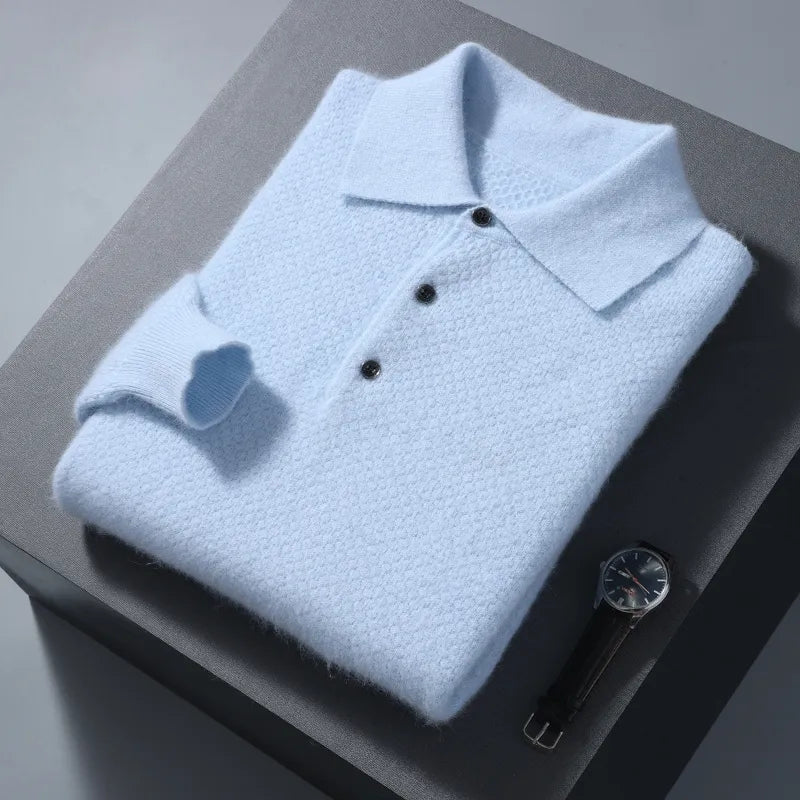
The Vinthentic Cashmere Polo-Collar Sweater, priced at $84.99, is available in our collection for this role among cashmere sweaters winter layers. You can browse its full details and sizing on its product page.
Is Cashmere Warmer Than Merino Wool?
Cashmere and merino are both excellent warmth fibers, and the difference is mostly in feel and weight. Cashmere is known for its softness and light weight, while merino is often chosen for durability under frequent wear.
A useful way to decide: choose cashmere when you want a refined, lightweight layer for office or dinner wear. Choose merino when the garment will see rougher daily use or repeated machine care.
Fiber fineness is a common quality marker here. Finer fibers generally produce a softer hand-feel, which is one reason cashmere reads as luxurious against the skin.
Breathability, Moisture, and Temperature Regulation in Cold Weather
A common mistake is treating cashmere as waterproof. It is not, and wet cashmere loses much of its insulating value until it dries. Use it as an insulating middle layer and add a wind- or water-resistant outer shell when conditions call for it. On wet days, a synthetic outer layer over cashmere is a better combination than cashmere alone.
For shoppers comparing cashmere with acrylic or polyester alternatives, the trade-off is straightforward. Cashmere costs more and needs more careful handling than many synthetic knits.
How Often to Wash a Cashmere Sweater and Keep It Lasting
Most cashmere sweaters need washing only after several wears, not after every wear. Unless the piece picks up a visible stain, a strong odor, or has been worn directly against sweaty skin, airing it overnight and brushing it lightly is usually enough. Frequent washing is the single most common reason cashmere loses its softness and shape early. Because brushing can lift loose fibers without the wear of another wash, Depill can help keep small pills from making a well-cared-for sweater look tired.
When you do wash, hand wash in cool water with a gentle wool-safe detergent. Avoid regular laundry detergent, which contains enzymes that break down protein fibers like cashmere. Do not wring or twist the sweater. Press the water out against the side of the basin, roll the sweater in a clean towel to absorb the rest, and lay it flat to dry on a mesh rack away from direct heat or sunlight. Never hang a wet cashmere sweater, because the weight of the water will stretch the shoulders and hem permanently.
Pilling is the most misunderstood part of cashmere care. Short fibers work their way to the surface and form small balls, especially under the arms and where a bag strap rubs. This is not a sign of poor quality, it is normal for a soft, fine fiber, and it slows down after the first several wears. Remove pills with a fabric shaver or a cashmere comb rather than pulling them off, which drags more fiber loose. A common pattern is that sweaters pill most in the first season and then settle into a stable surface.
Watch out: storing cashmere on a wire hanger or in a compressed vacuum bag can crease the fibers and leave permanent fold lines. Fold the sweater and store it flat in a breathable cotton bag or a drawer, and keep it away from direct contact with cedar blocks that can leave oil marks on light colors.
Between seasons, wash the sweater before storing it, because body oils and perspiration attract moths and can yellow the fiber over months. For guidance on reading fiber-content labels and spotting misleading blend claims, consult independent textile resources such as the Federal Trade Commission Textile Fiber Products Identification Act guidance.
Routine care decides how long a cashmere sweater stays soft and well shaped, so the key steps are summarised below. For a fuller walkthrough of washing and storage, see our knitwear care guide.
| Care step | What to do | Timing or note |
|---|---|---|
| Between wears | Air overnight and brush lightly | Usually enough after several wears |
| Washing | Hand wash in cool water with wool-safe detergent | Only when stained, smelly, or after sweaty wear |
| Drying | Press out water, roll in a towel, lay flat | Never hang when wet |
| Pilling | Remove with a fabric shaver or cashmere comb | Do not pull pills off by hand |
| Storage | Fold and keep in a breathable bag or drawer | Avoid wire hangers and vacuum bags |
| Before storing | Wash to remove oils and sweat | Oils attract moths and can yellow fiber |
The Downsides of Cashmere to Weigh Before You Buy
Cashmere is not the right choice for every person or every situation. It costs more than many knitwear options and needs careful handling. Before you buy, you can learn how to judge fiber and garment quality in our guide to identifying genuine leather quality.
Check the official care labeling on any garment and follow it closely (the FTC). For guidance on evaluating fiber and garment quality before you buy, consult independent textile resources such as the Federal Trade Commission Textile Fiber Products Identification Act guidance.
Choosing Your First Vinthentic Cashmere Sweater for Winter
Start with one versatile piece. The Vinthentic Cashmere Polo-Collar Sweater at $84.99 is a strong first choice for layering under coats and jackets. If you prefer a zipper collar, the Filippo Lippi Cashmere Zipper-collar Sweater, also $84.99, offers a different silhouette with the same cashmere warmth.
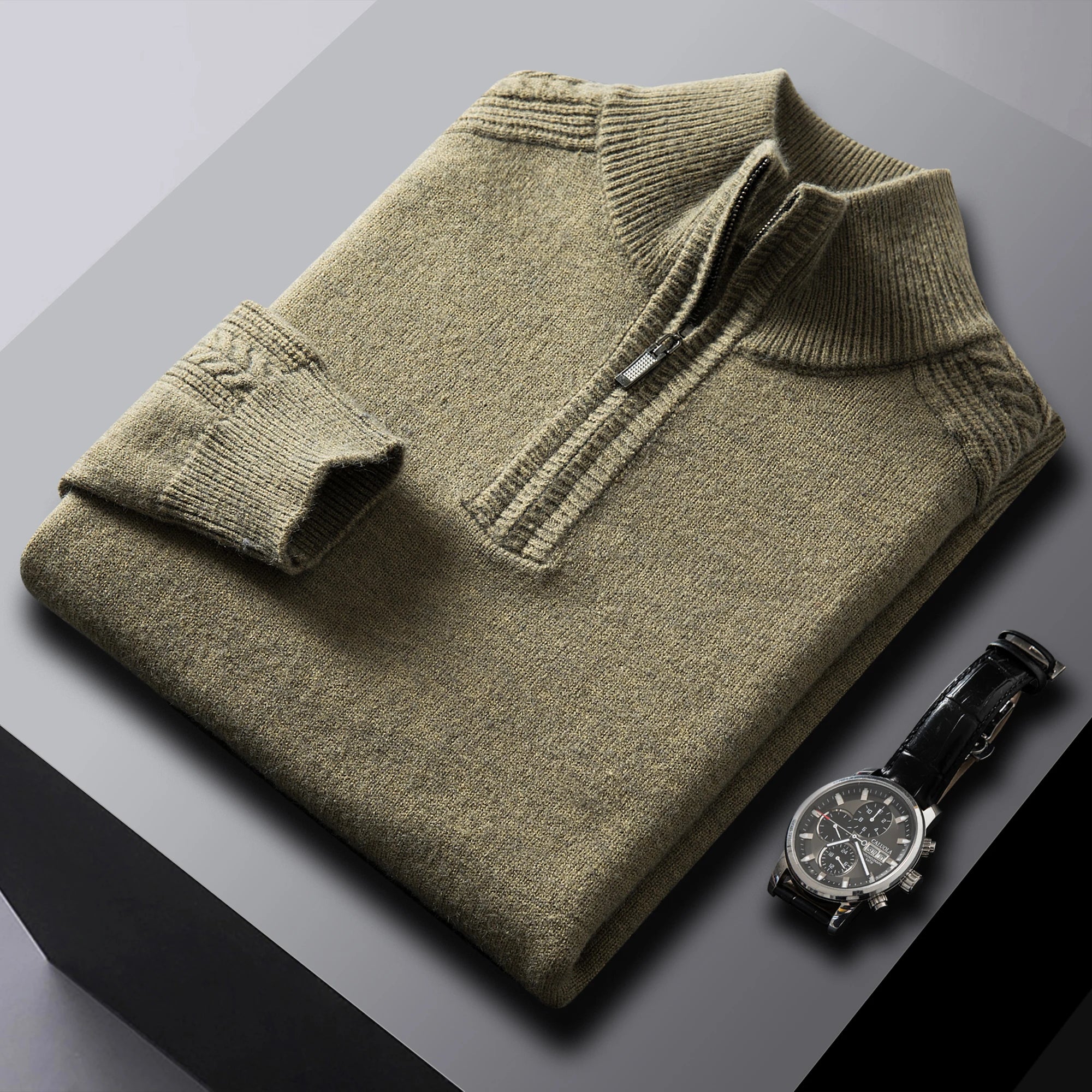
Our advice: buy the piece you will wear most often, then build outward from there.
Ready to build a warmer winter wardrobe? Shop Vinthentic cashmere knitwear and find a sweater that layers well and lasts for seasons.
Frequently Asked Questions
Is cashmere warm enough to wear in winter?
Yes. Cashmere traps a lot of still air within its fine fibers, which gives it strong insulating power for its weight. A cashmere sweater works well as a mid-layer under a coat in most U.S. winters, and a heavier-gauge knit adds more warmth in colder climates. For very cold, windy days, pair it with a windproof outer layer, since cashmere on its own does not block wind.
Is cashmere warmer than merino wool?
For the same weight, cashmere is generally considered warmer and softer, because its fibers are finer and trap more air. Merino is more durable, easier to care for, and handles activity and moisture better. Many shoppers choose cashmere for dressy winter days and merino for layering during outdoor activity.
How often should you wash a cashmere sweater?
Wash a cashmere sweater only when it actually needs it, usually every three to five wears, since frequent washing causes pilling and stretching. Spot clean small stains, and air out the sweater between wears.
What are the downsides of cashmere?
Cashmere costs more than most knitwear, it pills more easily than wool, and it needs gentler care. It can also stretch if hung and may not suit people who are sensitive to fine animal fibers.

Read more
Best Vintage Clothing Eras for Beginners to Start With
Vintage clothing eras for beginners, compared by how easy each style is to wear, find and care for. Learn which decade fits your wardrobe before you buy.
Read more
Which Sweaters Work Best for Professional Layering?
Professional layering starts with the right sweater. Compare V-neck, quarter-zip, cardigan and vest options by fit, fabric and office dress code.
Read more