
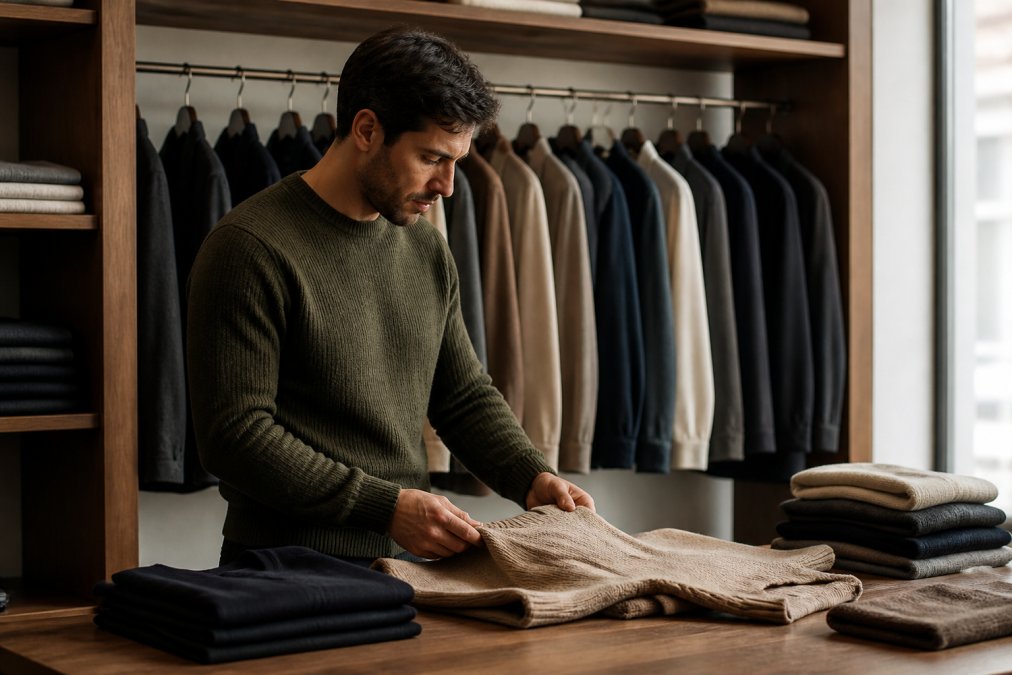
Why Premium Apparel Is Worth the Investment
Table of Contents
- The True Cost of Premium Apparel vs. Fast Fashion
- Understanding the Cost-Per-Wear Formula for Clothing
- How to Identify High-Quality Clothing That Lasts
- Craftsmanship and Material Integrity Matter
- Benefits of a Capsule Wardrobe Built on Quality Pieces
- Care and Maintenance Protocols Extend Garment Life
- Building Lasting Style Without Compromise
- Frequently Asked Questions
Last Updated: September 2, 2026
The True Cost of Premium Apparel vs. Fast Fashion
A $20 shirt that falls apart after five wears isn't a bargain, it's a false economy. The real cost isn't the price tag; it's the price tag divided by how many times you wear it. A well-made piece costs more initially but survives years of regular wear, while fast fashion degrades after a season.
At Vinthentic, we've built our approach around this principle: invest once, wear for years. A $200 sweater worn 100 times costs $2 per wear. A $40 sweater worn 10 times costs $4 per wear. Premium apparel investment makes financial sense, not just emotional sense, but measurable financial sense.
Understanding the Cost-Per-Wear Formula for Clothing
Cost-per-wear is the single most useful metric for evaluating whether a piece is actually expensive. Divide the price by the number of times you'll wear it. Most people never do this calculation, but it reveals why fast fashion is a false economy.
A quality cashmere sweater like the Filippo Lippi Cashmere Zipper-collar Sweater at $84.99 will last through hundreds of wears if properly maintained. Worn twice a week for three years, that's over 300 wears, a cost per wear below 30 cents. Compare that to a $25 synthetic sweater that pills after 15 wears, and the premium piece is objectively cheaper to own.

Fast fashion garments are designed for disposal, with the assumption you'll wear them briefly and move on. Premium construction assumes longevity. That fundamental difference cascades through every decision: fabric selection, seam reinforcement, finishing details. When you apply cost-per-wear thinking to your entire wardrobe, you stop asking "Can I afford this?" and start asking "Will I wear this enough to justify the investment?" That second question leads to better buying decisions.
How to Identify High-Quality Clothing That Lasts
The ability to spot quality separates smart buyers from those fooled by marketing. You can recognize the markers of garment longevity in under a minute of inspection.
Start with seams. Cheap construction uses single-stitched seams that unravel under stress. Quality pieces use double-stitched or reinforced seams, especially at stress points. Run your fingers along the inside seams, they should feel tight and consistent. Loose, irregular stitching is a red flag.
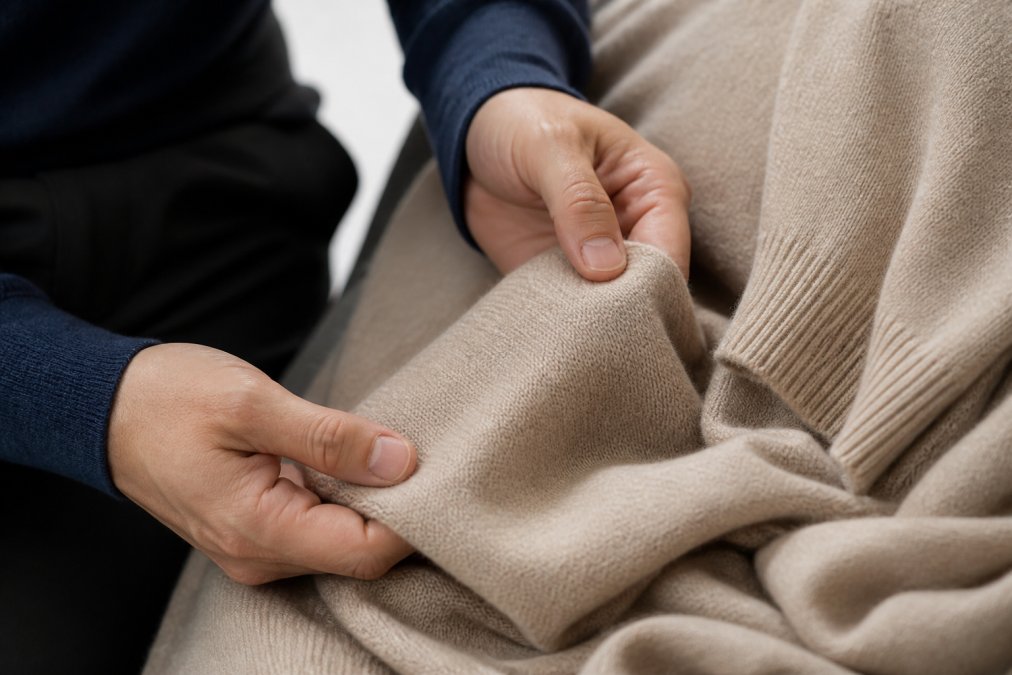
Examine the fabric itself. Press your thumb against it. Quality fabrics have density and weight; they don't feel thin or papery. Hold it up to light, premium pieces won't show light through the weave. Natural fibers like wool, cotton, and cashmere have a substantial hand feel.
Check hems and edges for even, tight finishing. Look at closures: buttons on quality pieces are sewn with matching thread and reinforced underneath. Zippers should glide smoothly. Snaps should feel substantial.
Seam allowances tell a story. Open the garment at an inconspicuous seam and look inside. Wide seam allowances indicate the manufacturer expected the piece to be altered over time. Narrow seam allowances suggest disposal-oriented design.
On striped or plaid fabrics, quality construction matches the pattern across seams. The weight of the garment matters too, substantial weight usually indicates denser fabric and better construction. Pick up two similar items, one premium and one fast fashion. The difference is immediate.
Craftsmanship and Material Integrity Matter
Genuine craftsmanship in apparel construction is becoming rare. Most modern manufacturing prioritizes speed and cost reduction over durability. Pieces built by craftspeople who care about their work are immediately recognizable.
Material integrity starts with fiber content. Genuine leather develops character over time, creating a patina that tells the story of how you've worn it. Synthetic leather alternatives crack and peel, they don't improve with age.
Premium cashmere illustrates the difference. Low-grade cashmere uses shorter fibers that pill and shed. High-quality cashmere uses long fibers that hold together through repeated wear (peer-reviewed research). A premium cashmere piece like the Noela Signature Cashmere Overcoat at $139.99 will outlast five cheap cashmere alternatives.

Craftsmanship extends beyond material selection to construction technique. Hand-finishing details, reinforced seams, and attention to garment balance require skilled labor that can't be rushed. Natural fibers outperform synthetics in durability because they breathe, adapt to body temperature, and maintain structure through repeated wear cycles (peer-reviewed research). Synthetic materials often degrade under stress, trap moisture, and lose elasticity.
Ethical manufacturing also affects quality. Factories paying living wages and maintaining reasonable working hours produce better work. Workers who aren't exhausted care about what they make, and garments reflect that care.
Benefits of a Capsule Wardrobe Built on Quality Pieces
A capsule wardrobe is a curated collection of essential, versatile pieces that work together. Instead of a closet stuffed with 200 items you never wear, you build a smaller wardrobe of premium pieces that actually get worn repeatedly.
A capsule wardrobe of 30-40 quality pieces creates more outfit combinations than a closet of 200 cheap items because quality pieces are designed to coordinate. They're made in complementary colors, fit properly, and work together.
This approach transforms how you shop. Instead of impulse purchases, you acquire pieces intentionally. You ask whether a new item works with what you already own. You prioritize versatility and choose colors and styles that transcend seasonal trends. Over time, you build a wardrobe where nearly everything can be combined with nearly everything else.

You spend less money overall because you're not replacing worn-out pieces constantly. You waste less time deciding what to wear because your pieces work together. You project a more cohesive personal aesthetic because your wardrobe is intentional.
Building a capsule wardrobe around premium apparel investment makes this approach sustainable. Quality pieces grow with you. A well-made sweater like the Rochus Men's Slim-Fit Sweater at $49.99 becomes a reliable staple. A quality pair of trousers like the Blinder Men's business Trousers at $56.99 anchors professional outfits for years.

When your wardrobe consists entirely of pieces you love and that fit properly, getting dressed becomes easier. You feel more confident. You're not managing a closet of compromises.
Care and Maintenance Protocols Extend Garment Life
Premium apparel investment only pays off if you maintain the pieces properly. The good news: proper care is straightforward.
Washing frequency matters more than most realize. Overwashing degrades fibers. A quality pair of trousers can go multiple wears between washes. Sweaters should be washed sparingly, often just once per season (the FTC). Most pieces benefit from airing out between wears rather than immediate washing.
Cold water preserves garments better than hot water. Gentle cycles are worth the extra time. Delicate fabrics like cashmere and wool require hand washing or machine washing on the delicate cycle in cold water.
Air drying preserves garment structure better than machine drying. Lay sweaters flat to dry to prevent stretching. Hang trousers and shirts. Wooden hangers prevent shoulder deformation better than wire hangers. Fold sweaters rather than hanging them to prevent stretching.
Spot cleaning extends the time between full washes. A small stain doesn't require washing the entire garment. Treating it immediately often eliminates the need for full washing.
Pilling on natural fibers is normal and doesn't indicate poor quality. A fabric shaver removes pills without damaging the garment. Repairs are investments in garment life, a loose button, small hole, or seam separation can be fixed in minutes, extending garment life by years.
Building Lasting Style Without Compromise
The goal isn't to own expensive clothes. It's to own clothes that actually work for your life and improve over time.
Start by identifying your actual lifestyle. Your wardrobe should match how you actually live, not how you wish you lived. Choose a color palette that works for you. Build your wardrobe around 3-4 core colors that work together, automatically increasing outfit combinations.
Invest in basics first. A well-fitting white shirt, dark trousers, a quality sweater, and a neutral jacket form the foundation of countless outfits. Add pieces that reflect your aesthetic gradually, acquiring items that genuinely excite you and work with what you already own.
Understand the difference between trends and timelessness. Trends are temporary. Timeless pieces have visual simplicity and quality construction that transcends seasons. A well-cut blazer in a neutral color remains relevant. Exaggerated proportions or novelty details become dated quickly.
Fit determines perceived quality profoundly. An expensive garment that fits poorly looks cheap. An inexpensive garment that fits perfectly looks expensive. Tailoring is an investment that pays dividends. Spending $30 to alter a $100 piece so it fits perfectly is money well spent.
Pay attention to which pieces actually make it into rotation. This awareness guides future purchases. Buy more of what you actually wear. Stop buying things that look good in the store but never leave the closet.
Building a wardrobe around premium apparel investment requires upfront thinking and intentional purchasing. The payoff is substantial: fewer clothes, less money spent over time, greater confidence in what you're wearing, and a closet that actually functions. At Vinthentic, we've built our entire collection around this principle, pieces designed for longevity, constructed with genuine craftsmanship, and selected to work together. Start with one quality piece. Wear it. Notice how it performs. Then build from there. That's how lasting style emerges.
Frequently Asked Questions
What is the cost-per-wear formula and how does it apply to premium apparel?
Cost-per-wear divides the price of a garment by the number of times you'll wear it. A $100 sweater worn 200 times costs $0.50 per wear; a $20 fast-fashion shirt worn 10 times costs $2 per wear. Premium apparel investment makes financial sense when pieces are worn frequently over years. Quality garments withstand regular wear without fading, pilling, or losing shape, making them genuinely economical despite higher upfront cost.
How do I know if clothing is genuinely high-quality and not just expensive?
Examine seam construction, quality pieces have tight, even stitching with no loose threads. Check fabric weight and feel; natural fibers like cashmere, wool, and cotton have distinct textures that synthetic blends lack. Look for reinforced stress points at seams and hems. Read care labels; garments requiring hand-washing often indicate delicate, premium materials. Inspect hem work and collar finishing. Genuine leather should feel supple and age gracefully. Brand transparency about materials and manufacturing indicates confidence in quality.
Why is a capsule wardrobe better than buying lots of cheap clothing?
A capsule wardrobe built on quality basics maximizes outfit combinations while minimizing closet clutter. Premium pieces coordinate easily because they're designed with timeless aesthetics and neutral tones. You spend less overall because fewer items work together, reducing impulse purchases. Quality garments maintain appearance through repeated wear and washing, while fast-fashion pieces deteriorate quickly. A capsule approach forces intentional purchasing, aligning with sustainable consumption and reducing environmental impact of constant replacement cycles.
How should I care for premium apparel to maximize its lifespan?
Follow care label instructions precisely, premium materials often require gentle handling. Wash in cold water, use mild detergent, and air-dry most items to prevent shrinkage and fading. Store folded or hung properly to avoid stretching; use cedar blocks or lavender sachets for natural moth prevention. For leather items like shoes and accessories, condition regularly with appropriate products to maintain suppleness. Address stains immediately and consider professional cleaning for delicate pieces. Proper maintenance transforms premium apparel into lifelong wardrobe staples that improve with age.
This article was written using GrandRanker
Read more
Vintage Aesthetic for Corporate Office: A Styling Guide
Vintage aesthetic corporate office: Learn how to style a vintage aesthetic for corporate office settings. Discover professional vintage outfit ideas.
Read more
Durable Vintage Style Men's Shoes: A 2026 Guide
Vintage style men shoes: Find durable vintage style men's shoes built for everyday wear. Compare classic designs, materials, and maintenance tips to.
Read more