
7 Leather vs Canvas Sneaker Comfort Truths for Daily Wear
Last Updated: November 16, 2026
Quick Summary
For everyday comfort, leather vs canvas sneakers comes down to your day: canvas is lighter and more breathable for warm, dry wear, while leather offers more support and sheds light rain. Cushioning and support live in the midsole and insole, so check those layers before the upper.
- Canvas uppers breathe well and feel light from the first wear but offer less structure.
- Leather uppers mold to your foot over time and hold their shape for stability.
- Under about a mile of mostly sitting, almost any well-fitting canvas sneaker feels fine.
- Never machine-dry leather or canvas, since heat warps the sole and shrinks the upper.
- Rotating two pairs gives each one a rest day, which slows wear.
Table of Contents
- Leather vs Canvas Sneakers: What Actually Decides Everyday Comfort
- Leather vs Canvas Sneakers at a Glance: Comparison Table
- Upper Material, Cushioning, and Support: Where Comfort Really Comes From
- Most Comfortable Canvas Sneakers for Breathability and Lightweight Wear
- Canvas Sneakers for Walking: What They Handle and What They Don't
- Leather Sneakers for Everyday Wear: Support, Weather, and Long-Term Value
- Durability, Maintenance, and Care by Material
- Choosing Your Everyday Pair at Vinthentic
- Frequently Asked Questions
Leather vs Canvas Sneakers: What Actually Decides Everyday Comfort
The material on the outside of a sneaker gets all the attention, but it rarely decides whether your feet feel good at 6 p.m. Leather vs canvas sneakers for everyday comfort comes down to how the upper, midsole, and insole work together, not the label on the box. The honest answer is "it depends on your day."
Below, we break down the seven comfort truths that separate a shoe you tolerate from one you reach for every morning. Here is what most buying guides get wrong: they treat leather and canvas as rivals when they are really tools for different jobs.
Leather vs Canvas Sneakers at a Glance: Comparison Table
A quick side-by-side makes the trade-offs obvious. Neither material wins outright; each one fits a different kind of day.
| Feature | Leather | Canvas |
|---|---|---|
| Breathability | Moderate, warms up in heat | High, air moves freely |
| Water resistance | Good, sheds light rain | Low, absorbs water |
| Durability | Long-lasting, resists scuffs | Wears faster at stress points |
| Break-in | Needs a short break-in period | Comfortable from day one |
| Care | Wipe and condition | Wash and air-dry |
| Best for | Support and wet weather | Lightweight daily wear |
Upper Material, Cushioning, and Support: Where Comfort Really Comes From
Here is the truth most shoppers miss: the upper material is not the main source of comfort. Cushioning and support live in the sole and insole, which is why a well-built canvas shoe can feel better than a cheap leather one.
Leather uppers mold to your foot over time and hold their shape, which helps stability. Canvas uppers flex easily and feel light from the first wear but offer less structure. Support comes from the midsole and insole underneath both.
Outsole, Midsole, and Insole Construction
Three layers do the real work underfoot. The outsole is the rubber bottom that grips the ground. The midsole is the foam or cushioning layer that absorbs impact. The insole is the footbed your foot rests on.
A flexible rubber outsole suits city walking. A cushioned midsole matters most on long walks. A padded insole adds instant softness. When you compare leather vs canvas sneakers, check these layers first, because they decide how your feet feel after a full day.
Foot Shape, Arch Support, and Fit
Foot shape changes the answer. A wider foot often feels cramped in a stiff leather upper until it softens, while canvas gives more immediate room. Flat feet tend to want a supportive insole; higher arches want cushioning that fills the gap.
If you are weighing support and long-term value, is ergonomic footwear worth the investment is a fair next read before you commit. The point is simple: match the shoe to your foot, not to a trend.
Most Comfortable Canvas Sneakers for Breathability and Lightweight Wear
Canvas is generally lighter and more breathable. Woven fabric lets heat escape, so your feet stay cooler on warm days and during long stretches indoors.
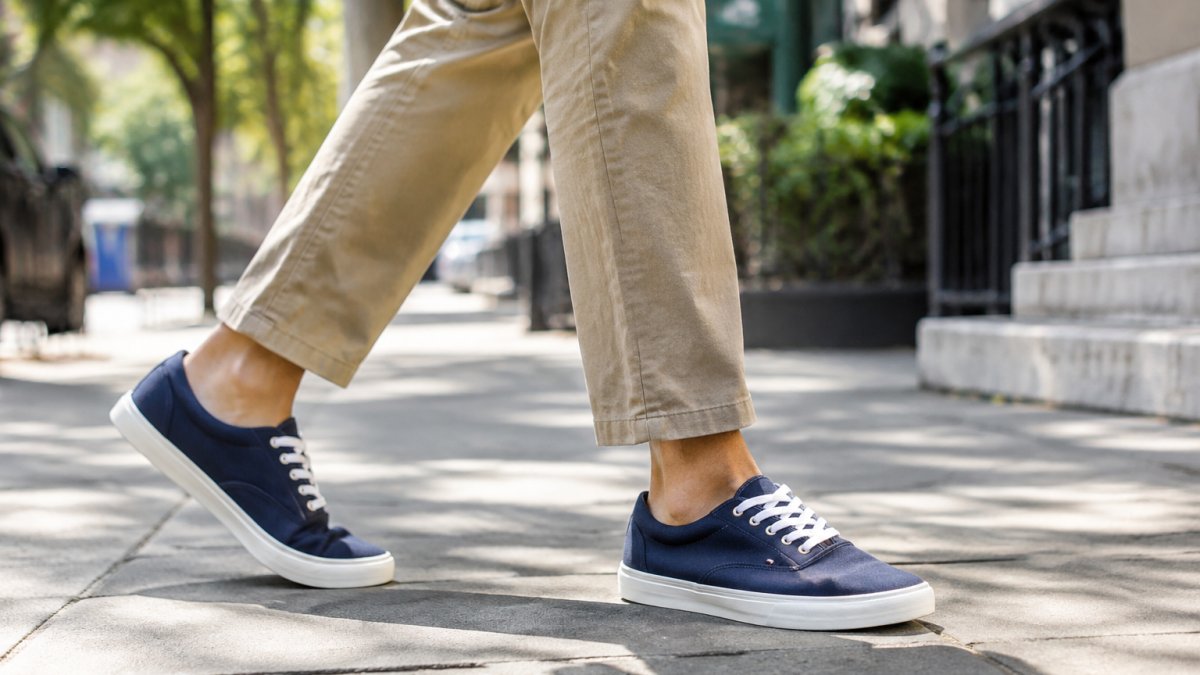
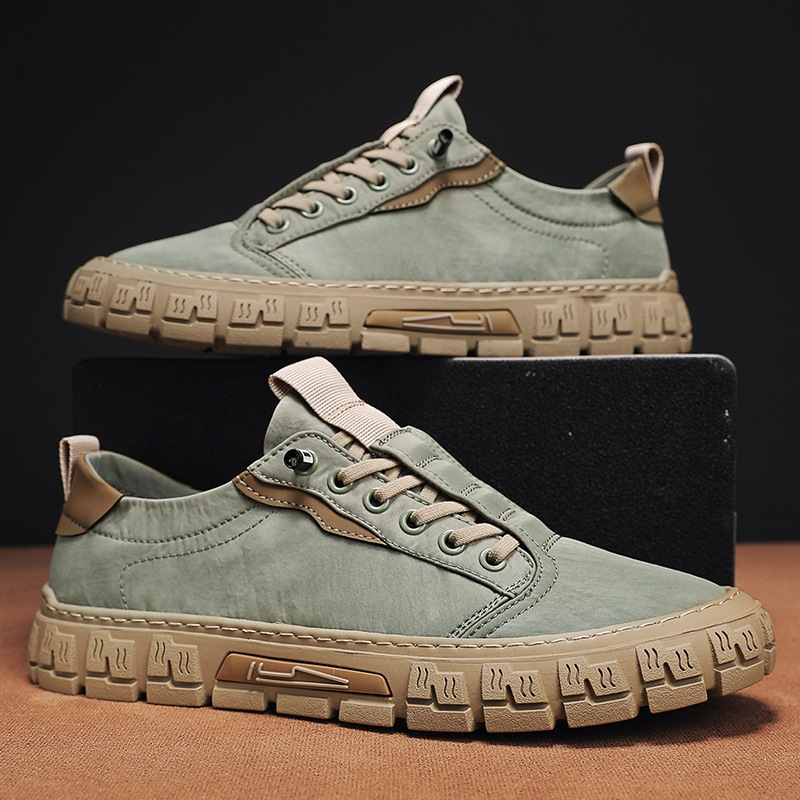
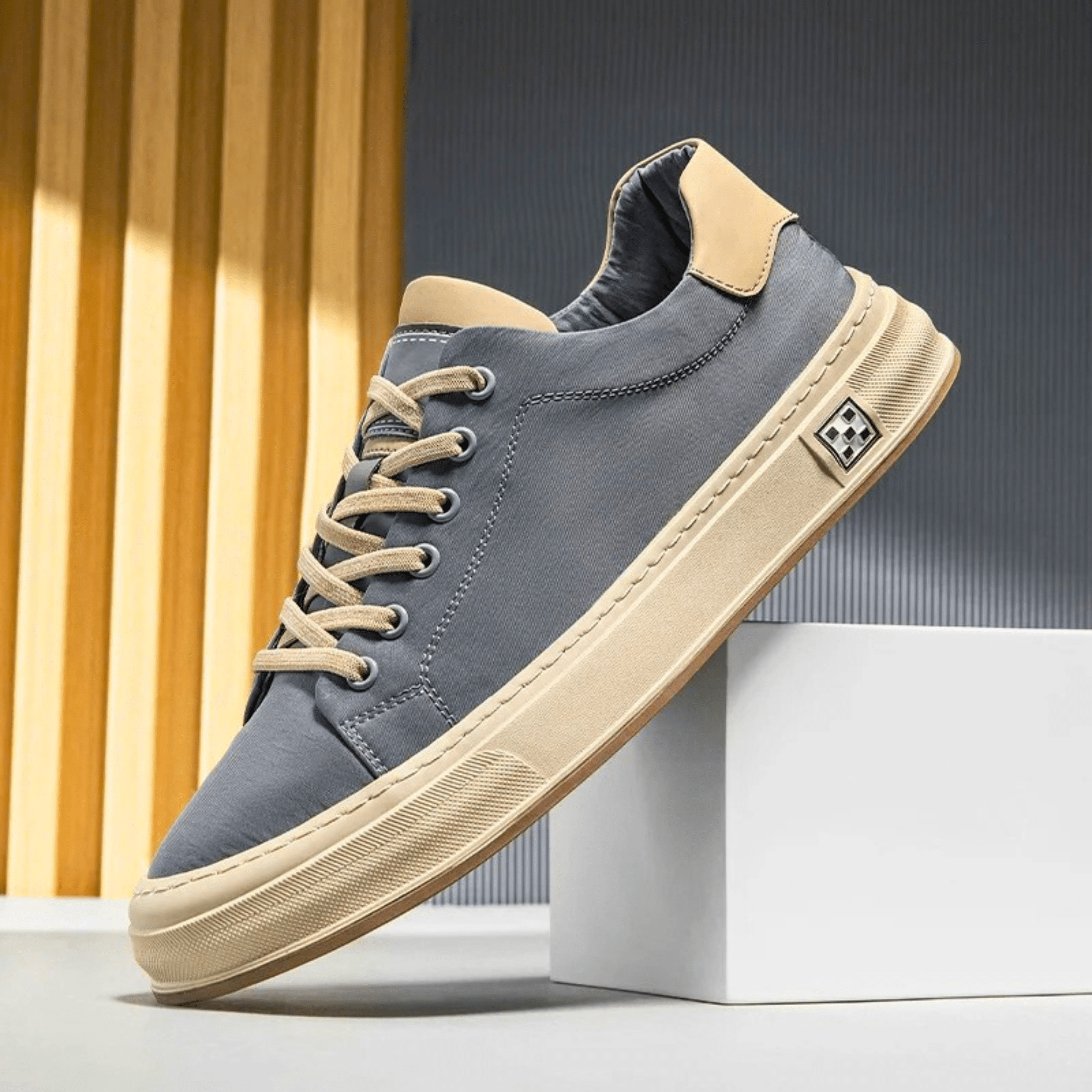
The low-top canvas trainers combine a breathable canvas upper, a cushioned insole, and a lightweight build. The suede-like canvas casual sneakers offer a cushioned footbed with a casual look. Both suit daily wear where staying light matters.
Canvas Sneakers for Walking: What They Handle and What They Don't
Canvas sneakers for walking work well on short trips, dry pavement, and casual errands. They feel light, breathe well, and break in fast. Where they struggle is wet weather and very long distances, because the fabric absorbs water and offers less structure over miles.
A common mistake is wearing thin canvas on a rainy commute. The fabric soaks through, dries slowly, and loses shape. For a full day on your feet, look for a cushioned insole and a grippy rubber outsole, and save the canvas for dry days.
How Canvas Behaves Over a Full Day and Across Distances
Comfort over a full day is less about the upper and more about how the shoe handles cumulative load. Canvas uppers do not mold to the foot the way leather does, so the insole and midsole carry more of the work. On a short walk to the store, that difference is invisible.
A useful way to think about it is by distance and time on feet:
- Under about a mile, mostly sitting: almost any well-fitting canvas sneaker feels fine. Breathability is the main benefit.
- One to three miles, mixed standing and walking: cushioning starts to matter. A thin flat footbed transmits impact through the heel and ball of the foot, and the lack of structure lets the foot slide inside the shoe.
- Three miles or more, or a job that keeps you standing: canvas without a supportive insole often feels flat and tired by mid-afternoon. The upper does not cause this, but it also does not compensate for a weak sole.
Construction matters more than material for comfort over a full day. A canvas sneaker with a cushioned midsole and a rubber outsole will generally handle a long day better than a leather sneaker built on a flat, hard sole.
When Canvas Becomes Uncomfortable
Canvas tends to fail in predictable situations. Wet weather is the obvious one: the fabric absorbs water, the shoe gains weight, and a soaked footbed loses cushioning until it dries. Heat is the second: canvas breathes well, but a dark canvas shoe in direct sun still gets hot, and a thin sole offers little insulation from hot pavement.
A practical pattern is to keep canvas for dry days, short commutes, and weekends, and to rotate in a leather or more structured pair for long walking days and wet forecasts.
Leather Sneakers for Everyday Wear: Support, Weather, and Long-Term Value
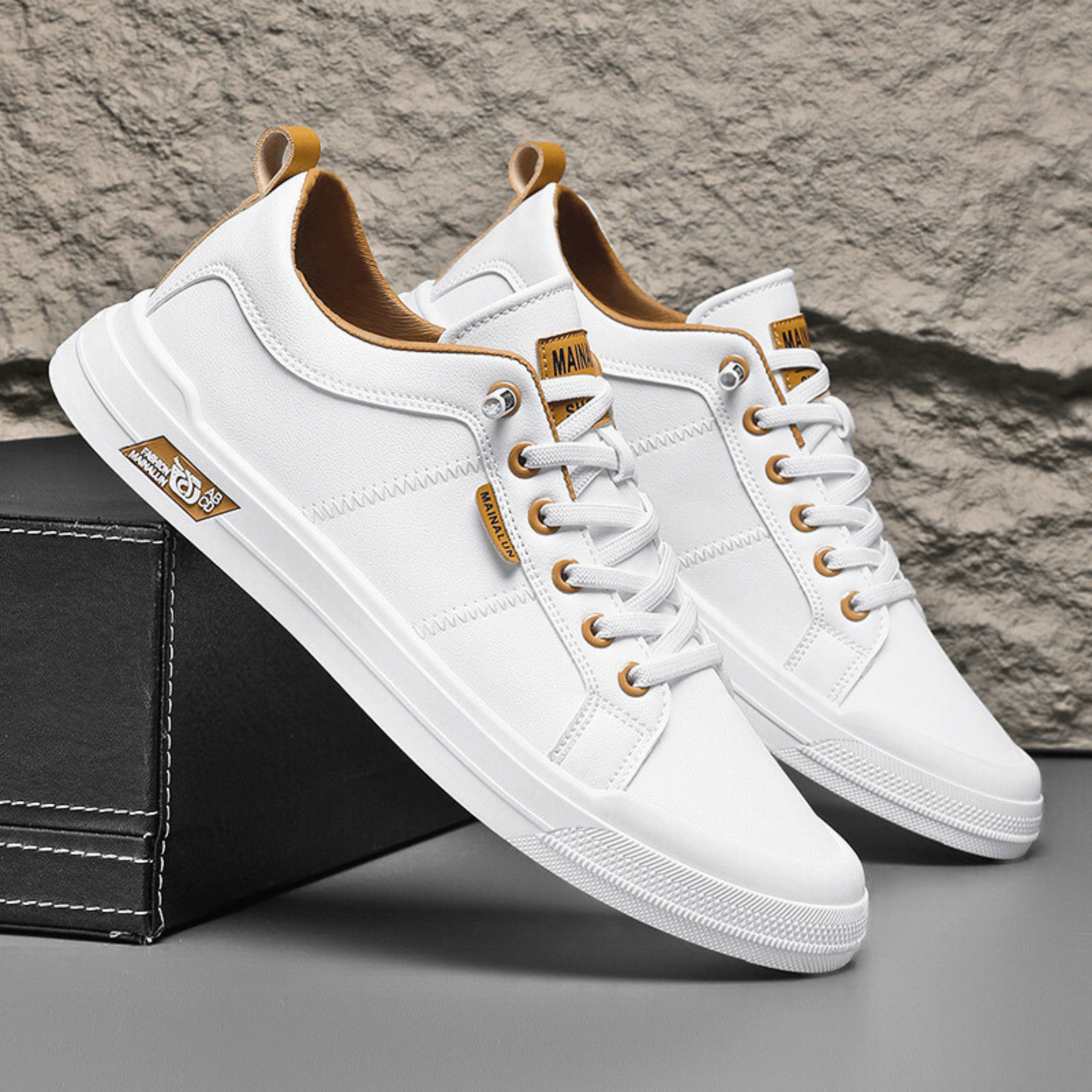
Leather sneakers for everyday wear earn their place through support and weather resistance. A genuine leather upper sheds light rain, holds its shape, and develops a patina that looks better with age. That durability is where the long-term value comes from.
The leather low-top sneakers pair a smooth leather upper with a cushioned insole and reinforced stitching for regular wear. The men's genuine leather sneakers feature genuine Italian leather with a supportive fit and a durable rubber outsole.
Durability, Maintenance, and Care by Material
Care decides how long either material lasts. Leather rewards a little attention: wipe off dirt, condition now and then, and let it dry away from direct heat. Canvas is more forgiving to clean but wears faster at the toe and heel.
Cleaning and Stain Removal for Leather and Canvas
For leather, wipe with a damp cloth, use a soft brush on scuffs, and apply conditioner sparingly. For canvas, spot-clean with mild soap and water, then air-dry fully.
Rotating two pairs gives each one a rest day, which slows wear and keeps both fresher.
The generic advice above gets you started, but most stains need a targeted approach. The method depends on both the material and what spilled.
Leather:
- Water spots: dampen the whole panel evenly with a barely wet cloth, let it dry naturally, then condition. Spot-treating one small area is what creates the ring.
- Scuffs: a soft eraser or a cloth with a little conditioner lifts most surface scuffs. Avoid abrasive pads, which remove the finish.
- Oil and grease: blot immediately, then apply a small amount of cornstarch or talc, let it sit for several hours, brush off, and condition. Do not rub, which pushes the oil deeper.
- Salt stains (winter): mix a little white vinegar with water, wipe the affected area, and let it dry away from heat. Condition afterward, because salt and vinegar both dry the leather.
Canvas:
- Mud: let it dry completely first, then brush off the cake before washing. Washing wet mud drives it into the weave.
- Oil and grease: blot, then apply a small amount of dish soap directly to the stain, work it in with a soft brush, and rinse. Repeat rather than scrubbing harder.
- Coffee, wine, and juice: blot, then treat with a mild detergent solution and cold water. Hot water can set some stains.
- White canvas: a paste of baking soda and water applied to the stain, left for 15 to 20 minutes, then brushed off, is a common household method. Avoid chlorine bleach, which can yellow the fabric and weaken the fibers.
Watch out: never put canvas sneakers in a hot dryer or leave them on a radiator. Heat shrinks the upper, warps the rubber sole, and can set stains permanently.
Repairability, Longevity, and End of Life
Leather and canvas age differently, and that affects both cost per wear and what happens when the shoe wears out. Leather uppers can often be cleaned, conditioned, and resoled by a cobbler, and small scuffs can be polished or dyed.
That difference matters for lifecycle. Leather production has a higher upfront environmental footprint, but a repairable leather sneaker kept for years can offset that through longevity.
A practical approach is to treat leather as a maintainable long-term item and canvas as a lighter, lower-commitment shoe, and to rotate both so each pair lasts closer to its potential.
Choosing Your Everyday Pair at Vinthentic
The right pick depends on your routine, not a single "best" material.
Our take: choose canvas for warm, dry, light-wear days and leather for support, wet weather, and a pair that ages well. David S. said the shoes arrived quickly and were "perfect for daily wear."
Your everyday pair should feel right from the first step and hold up for the long run. Vinthentic can help you get there with genuine leather craftsmanship, comfort-focused design, and timeless footwear built for daily wear.
Frequently Asked Questions
Which is more breathable, leather or canvas sneakers?
Canvas wins on airflow. A woven canvas upper lets heat and moisture escape through the fabric itself, which is why canvas feels cooler in summer and dries faster after a sweaty walk. Leather breathes through the hide and any perforations, but less freely. For hot-weather daily wear and long walks in humid conditions, canvas sneakers keep feet drier. Leather still works well in air-conditioned offices and cooler months, especially with a breathable lining and padded interior.
Are canvas sneakers good for walking all day?
They can be, if the sole and footbed do the work. Canvas sneakers for walking need a cushioned insole and a flexible rubber outsole with tread, not just a flat slab. Lightweight canvas reduces fatigue over distance, but the material offers less structure than leather, so arch support depends on the shoe's construction rather than the upper. For errands, travel, and 5,000 to 8,000 steps, a padded canvas pair is comfortable. For 10-plus mile days on hard pavement, a supportive leather sneaker usually holds up better.
Do leather sneakers take longer to break in than canvas?
Yes. Leather is a natural hide that softens and molds to your foot over the first week or two of wear, so expect a short break-in period. Canvas has almost no break-in at all; it flexes from the first wear. The trade-off is that leather then holds the shape of your foot, which many people find more supportive over time. Wear new leather sneakers for short stretches at first, and they will crease and soften into a personalized fit.
Are leather or canvas sneakers easier to keep clean?
Leather is easier to wipe down. A damp cloth handles dust and scuffs, and a matching polish restores color and hides creases. Canvas absorbs stains, especially in white sneakers, and needs spot treatment with mild soap and a soft brush, then air drying away from direct heat. Leather resists light rain better; canvas soaks through in wet weather and needs a full day to dry. Rotating two pairs is the simplest way to extend the life of either material.

Read more
Vintage vs Retro Sneakers: Key Differences for Men
Are your vintage sneakers really decades old, or just a retro reissue? Wondering whether a vintage sneaker is really older, or just a retro reissue?
Read more
How to Choose the Right Polo Shirt Fit for Men?
Learn how to choose the right polo shirt fit for your body. Learn which measurements matter most and how to compare them with shirts you already own.
Read more