
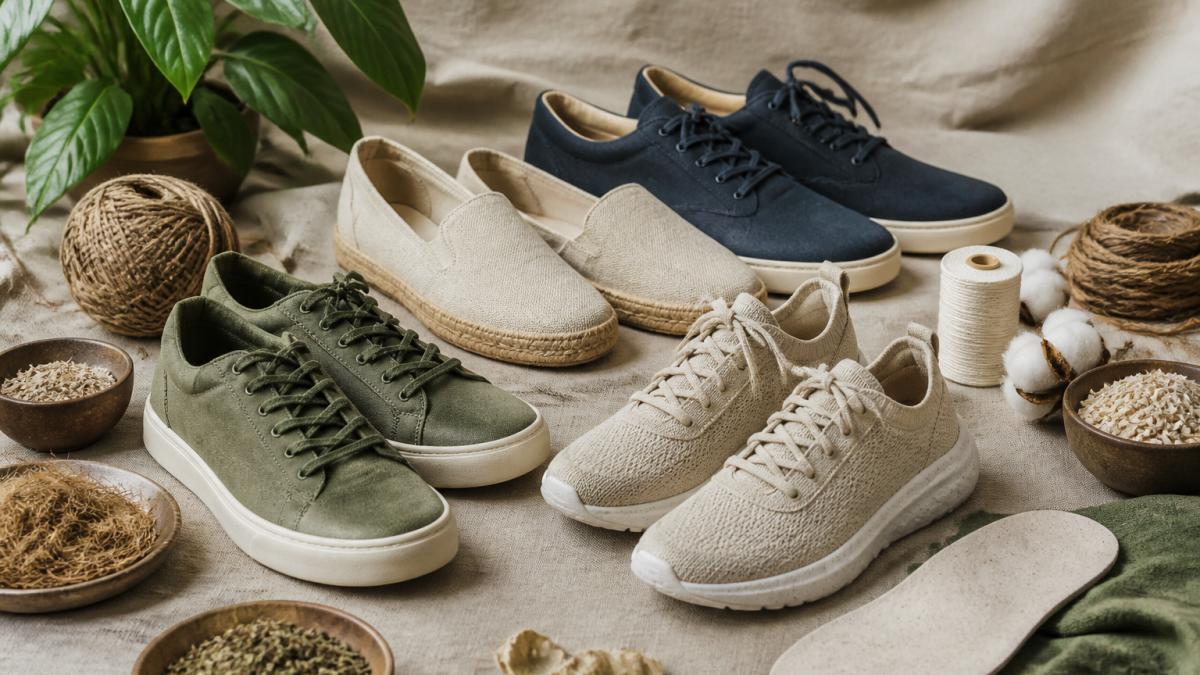
6 Best Sustainable Men's Footwear Brands 2026
Table of Contents
- 6 Best Sustainable Men's Footwear Brands 2026: Quick Comparison
- How to Choose Sustainable Footwear That Lasts
- 1. Vinthentic Men's Vegan Leather Suede Shoes: Best for Formal and Casual Wear
- 2. Vinthentic Men's Vegan Leather Lace-Up Shoes: Best Lightweight Everyday Option
- 3. Vinthentic Dino Men's Barefoot Shoes: Best for Natural Movement
- 4. Vinthentic Zero Drop Wide Toe Minimalist Sneakers: Best for Long Walks
- 5. Sustainable Leather Alternatives for Shoes: What to Look For
- 6. Benefits of Recycled Shoe Materials: Durability and Lower Impact
- Frequently Asked Questions
Last Updated: October 2, 2026
6 Best Sustainable Men's Footwear Brands 2026: Quick Comparison
The best sustainable men's footwear brands in 2026 combine eco-conscious materials with durability that justifies the price. Vinthentic offers four distinct styles built from vegan leather and suede, each under $90.
Below, we'll show you exactly how to evaluate materials, construction, and end-of-life options. The picks here range from $44.95 to $89.99, which means you can build a sustainable rotation without overspending.
Sustainability in footwear is not a single feature.
| Brand / Style | Price | Best For | Key Material | Closure |
|---|---|---|---|---|
| Vinthentic Vegan Leather Suede Shoes | $69.95 | Formal and casual wear | Vegan leather and suede | Slip-on |
| Vinthentic Vegan Leather Lace-Up Shoes | $44.95 | Lightweight everyday wear | Vegan leather | Lace-up |
| Vinthentic Dino Barefoot Shoes | $44.99 | Natural movement | Flexible breathable upper | Slip-on |
| Vinthentic Zero Drop Minimalist Sneakers | $89.99 | Long walks | Lightweight canvas | Lace-up |
How to Choose Sustainable Footwear That Lasts
Choosing sustainable footwear starts with three questions: what is it made from, how is it built, and can it be repaired or resoled? Answer those before you look at price or style. Then verify the answers, because the word "eco" on a product page is marketing, not evidence.

Step 1: Verify the claim, don't trust the label
A common mistake is buying on the word "eco" alone. Many brands use vague claims that do not hold up. The U.S. Federal Trade Commission's Green Guides set the standard for what environmental marketing claims are allowed, and they require brands to back up broad terms like "eco-friendly" with evidence. If a brand cannot point to a specific certification or a named material supplier, treat the claim as unverified.
Certifications worth checking, and what each one actually verifies:
- B Corp Certification: Verifies a company's overall social and environmental performance, accountability, and transparency across its operations, not a single shoe. A B Corp score tells you how the business is run, not how one upper is made.
- Fair Trade Certified: Focuses on worker conditions and fair pricing in the supply chain. Useful for confirming labor standards, less useful for material composition.
- Global Recycled Standard (GRS): Verifies recycled content in a material and traces it through the supply chain. This is the one to look for when a brand claims "recycled polyester."
- USDA Certified Biobased: Confirms a product's biobased content percentage. It tells you how much plant-based material is present, not whether it is durable.
- Leather Working Group (LWG): An environmental audit standard for tanneries. Relevant only if the shoe uses leather.
A single shoe can carry several of these. The point is to match the certification to the specific claim being made. "Recycled" should map to GRS. "Ethically made" should map to Fair Trade or a published factory audit. A brand that lists certifications with no scope is a warning sign.
Step 2: Run the cost-per-wear math
Durability is the other half of the equation. A shoe that lasts three years has a lower carbon footprint per wear than a cheap pair replaced every season. Cost-per-wear matters more than sticker price, and it is simple arithmetic:
Cost per wear = purchase price ÷ estimated number of wears
A $45 pair replaced twice a year over three years costs about $270 and produces three shoes' worth of waste. A $90 pair worn three times a week for three years works out to roughly 468 wears, or about $0.19 per wear. The higher sticker price is the cheaper shoe. Run this before you decide a sustainable option is "too expensive."
Step 3: Inspect construction and repairability
Check the following before you buy:
- Stitching and sole attachment: Stitched or cemented soles hold up better than glued-only construction. A stitched welt can be cut and re-stitched; a glued sole usually cannot.
- Resoleable design: A shoe that can be resoled stays out of landfill. Ask whether the brand offers resoling or partners with a cobbler.
- Material transparency: Brands that name their suppliers are easier to verify. Look for a published supplier list or a traceability page.
- Return policy: A fair return window tells you the brand stands behind the fit. A 30-day window is standard.
Step 4: Match the shoe to the activity
Sustainability is not one-size-fits-all. A casual sneaker built from recycled canvas and a high-performance trail shoe have different durability demands, different material constraints, and different end-of-life paths. A minimalist barefoot shoe that lasts two years of daily wear is a good sustainability outcome for commuting; the same shoe used for trail running would fail early and waste the embedded carbon.
1. Vinthentic Men's Vegan Leather Suede Shoes: Best for Formal and Casual Wear
Our top pick is the Vinthentic Men's Vegan Leather Suede Shoes. They work for the office, formal events, and weekend wear without a change of shoes, and the vegan leather and suede upper gives you the look of traditional leather without the animal input.

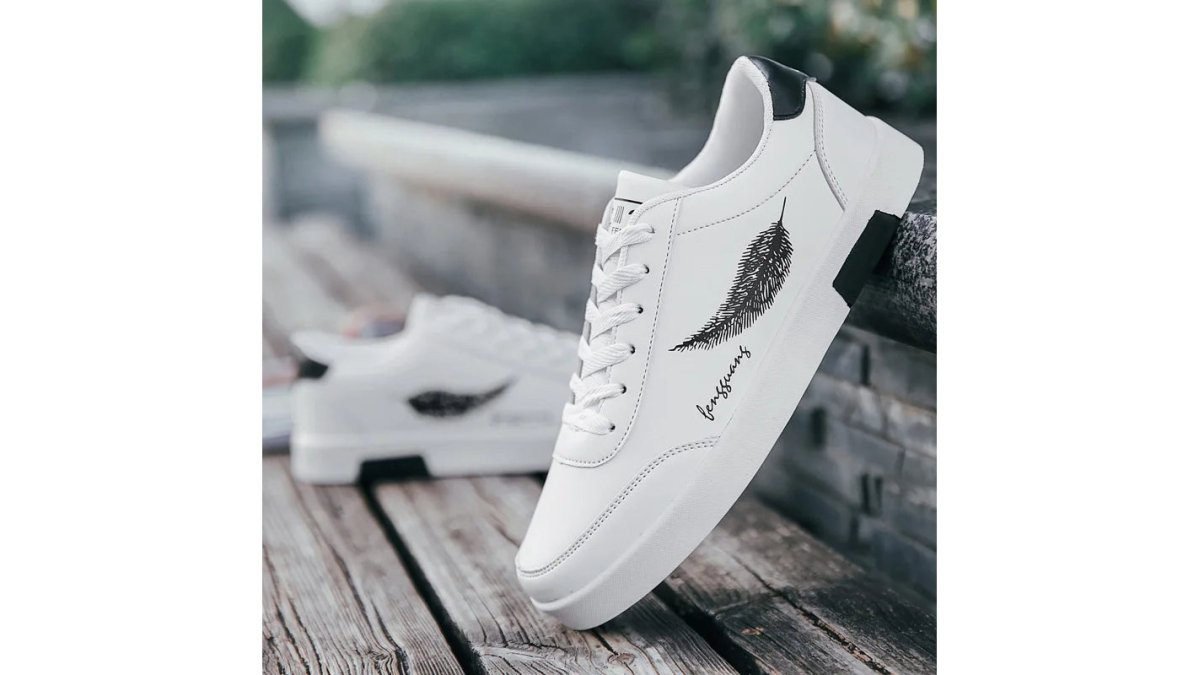
The relaxed fit with a padded insole makes them comfortable for all-day wear.
What works: The padded insole and relaxed fit suit men who stand or walk through the day.
What to know: Vegan leather and suede need occasional cleaning to keep their finish.
At $69.95, it sits in the middle of this list and offers the broadest use case.
2. Vinthentic Men's Vegan Leather Lace-Up Shoes: Best Lightweight Everyday Option
If you want one pair for daily wear, the Vinthentic Men's Vegan Leather Lace-Up Shoes are the lightest option here.
The lace-up closure gives a more adjustable fit than slip-ons, which helps if you have a wider foot.
What works: Lightweight construction and breathable material make these ideal for city walking and weekend wear.
What to know: The lighter build favors comfort over heavy-duty structure.
3. Vinthentic Dino Men's Barefoot Shoes: Best for Natural Movement
The Vinthentic Dino Men's Barefoot Shoes suit men who want a flexible sole and unrestricted movement. The lightweight, breathable design mimics the feel of walking barefoot while still protecting the foot.
Men's Vegan Leather Suede Shoes Comfortable Formal and Casual →

Barefoot-style shoes have grown in popularity. The flexible sole lets your foot move as it would without a rigid platform underneath. The Dino runs true to size, which removes the guesswork from ordering.
What works: The flexible sole and breathable upper make these a strong choice for natural-movement fans. At $44.99, they are priced close to the lace-up style.
What to know:
4. Vinthentic Zero Drop Wide Toe Minimalist Sneakers: Best for Long Walks
For long walks, the Vinthentic Zero Drop Wide Toe Minimalist Sneakers are the pick. The zero-drop sole and wide toe box support natural movement over distance, and the lightweight canvas construction keeps them comfortable for hours.
The unisex design and everyday style make them easy to wear with most casual outfits. This is the most expensive option on the list at $89.99, and the price reflects the more specialized design.
What works: The wide toe box reduces pressure on the toes, which helps on long walks. Zero-drop construction keeps the foot closer to the ground.
What to know:
5. Sustainable Leather Alternatives for Shoes: What to Look For
Sustainable leather alternatives for shoes fall into a few main categories: plant-based leathers, recycled synthetics, and bio-based materials.
Vegan footwear has moved well beyond basic plastic. Today's options include materials made from recycled polyester, natural rubber, and plant-derived inputs.
Here is how the main alternatives compare on the criteria that matter:
- Vegan leather: Consistent quality, easy to clean, and increasingly made with recycled content.
- Recycled polyester: Diverts plastic waste and works well for uppers and linings.
- Natural rubber: A renewable sole material with good grip and flexibility.
- Bio-based materials: Made from plant inputs, though durability varies by producer.
Look for low-impact dyes and water conservation claims that come with specific data. Broad terms without numbers are a warning sign of greenwashing.
6. Benefits of Recycled Shoe Materials: Durability and Lower Impact
Recycled shoe materials deliver two benefits at once: they cut waste and they often match or beat virgin materials on durability.
The environmental case is straightforward. Every kilogram of recycled material used is a kilogram that does not enter a landfill or an incinerator. The U.S. Environmental Protection Agency's material recovery data tracks how much of the national waste stream is diverted, and textiles remain one of the hardest categories to recover.
Durability is the part buyers underestimate. A well-made shoe with a resoleable sole and quality stitching can serve for years, which lowers its cost-per-wear and its carbon footprint per mile.
End-of-life circularity is the angle most buyers ignore. Before you buy, ask three things:
- Can the sole be replaced?
- Will the brand take the shoe back for recycling?
- Are the materials separable for recovery?
If the answer to all three is no, the shoe is a linear product regardless of how it is marketed.
Frequently Asked Questions
What are the best sustainable footwear brands for men?
The best sustainable men's footwear brands prioritize eco-friendly materials like vegan leather, recycled polyester, and natural rubber while maintaining durability and comfort. Vinthentic stands out with its vegan leather suede shoes, lace-up classics, and barefoot options, all priced between $44.95 and $89.99. Look for brands that disclose their supply chain, use low-impact dyes, and offer resoleable or biodegradable designs to reduce waste.
How do I identify truly sustainable shoe brands?
Check for specific certifications like fair trade. Brands that share supply chain transparency, list materials such as recycled polyester, and publish environmental impact data are more trustworthy. Avoid vague claims like 'eco-friendly' without proof. Vinthentic, for example, uses vegan leather and suede in its men's footwear, offering a clear alternative to traditional leather.
What materials are used in sustainable men's footwear?
Common materials include vegan leather, recycled polyester, organic cotton, natural rubber, and bio-based synthetics. Many brands also incorporate repurposed materials and low-impact dyes. Vinthentic's vegan leather suede shoes combine eco-friendly vegan leather with durable suede, providing a comfortable, sustainable option for formal and casual wear.
Are sustainable shoes more durable than traditional footwear?
Durability depends on construction and materials, not just sustainability. Many sustainable shoes use high-quality vegan leather, reinforced stitching, and resoleable designs that extend footwear longevity. For example, Vinthentic's vegan leather lace-up shoes feature a lightweight yet durable build. Proper care, like rotating pairs and cleaning regularly, can make sustainable shoes last as long as conventional ones, improving cost-per-wear.
The real challenge is not finding a sustainable shoe. It is finding one you will actually wear for years. Vinthentic builds footwear around durable vegan leather, handcrafted precision, and comfort-focused design, with four styles under $90 that cover formal, casual, barefoot, and long-walk needs. With more than 20,000 happy customers and a focus on timeless design, Vinthentic helps you build a wardrobe that lasts. Shop now and step into style with substance.
Read more
Classic Men's Blazers: 2026 Fit, Fabric & Styling Guide
Learn how to choose classic men's blazers that fit right, last for years, and work for any occasion. Fit, fabric, styling, and care tips inside.
Read more
Why Traditional Tailoring Lasts Longer: A 2026 Guide
Traditional tailoring lasts longer because of canvas construction, natural fibers, and repairable seams. Here's how construction decides garment lifespan.
Read more