
Classic Men's Blazers: 2026 Fit, Fabric & Styling Guide
Table of Contents
- What Makes a Blazer Classic: Fit, Fabric, and Construction
- Men's Blazer Fit Guide: Shoulders, Chest, and Sleeve Length
- How to Style a Navy Blazer for Work, Weekends, and Evenings
- Single-Breasted vs. Double-Breasted: Which Silhouette Suits You
- How to Care for Wool Blazers So They Last for Years
- Travel-Friendly and Sustainable Blazer Features Worth Paying For
- Where to Buy Classic Men's Blazers: What to Look For
- Frequently Asked Questions
Last Updated: October 1, 2026
What Makes a Blazer Classic: Fit, Fabric, and Construction
A classic men's blazer earns that label through three things: a shoulder that sits where your shoulder actually ends, a fabric with enough weight to drape cleanly, and internal construction that holds its shape after years of wear. This guide from Vinthentic breaks down each element so you can judge a jacket before you buy it.

Most shoppers check the label and the price tag. Neither tells you how the jacket will look in year three.
Half-canvas construction is a chest piece that runs from the shoulder down to the first button, fused at the lower half. Full-canvas construction runs the canvas through the entire front of the jacket, stitched rather than glued. Full canvas molds to your body over time; half canvas holds a decent shape for less money.
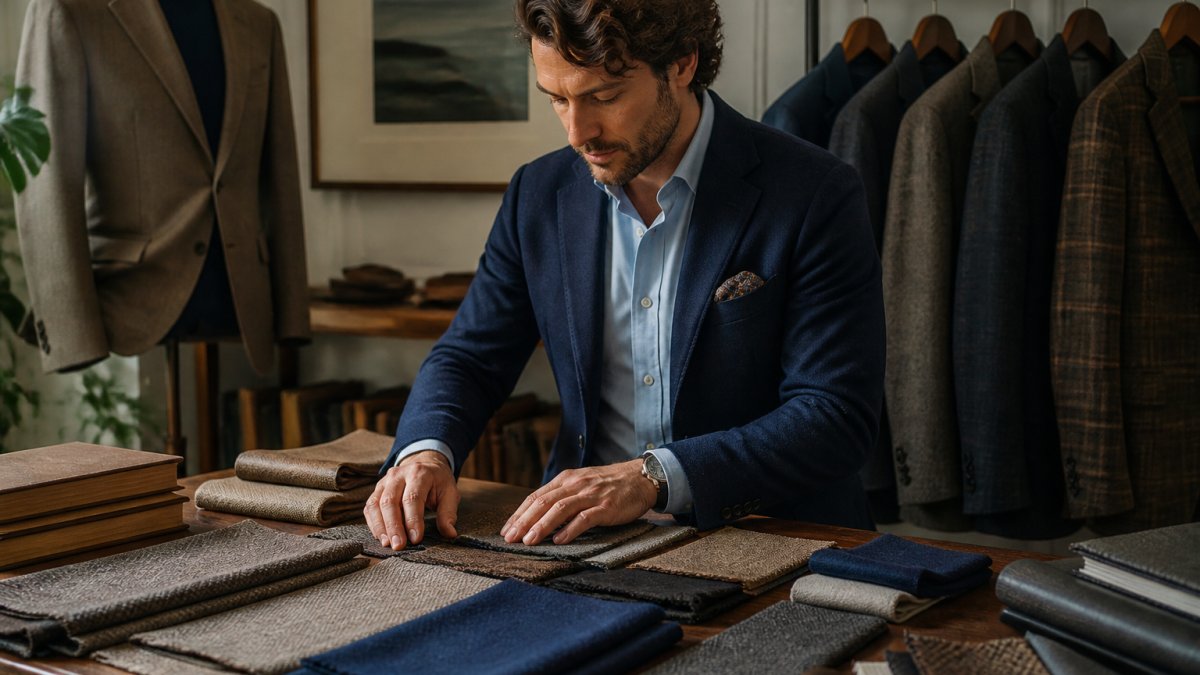
Fabric weight decides where you can wear the jacket. A 7-9 oz wool breathes in summer, while 11-14 oz holds a crease through winter. Wool fabric weight guidance from the American Wool Council explains how fiber diameter affects warmth and drape.
Half-Canvas vs. Full-Canvas Construction
Half-canvas is the better value for most wardrobes. The chest piece gives you structure where it shows, and the fused lower front keeps the price reasonable.
Fabric Weight and Breathability by Season
- Summer (7-9 oz): linen, cotton blends, high-twist wool
- Year-round (9-11 oz): worsted wool, the most versatile weight
- Winter (11-14 oz): flannel, tweed, brushed wool
Breathability matters more than weight alone. A tightly woven 8 oz wool can feel hotter than an open-weave 10 oz.
Men's Blazer Fit Guide: Shoulders, Chest, and Sleeve Length
The shoulder seam should end at the edge of your shoulder bone, no further. Everything else, chest, waist, sleeve, can be altered. The shoulder cannot.
A men's blazer fit guide starts and ends with that seam. If it overhangs, the jacket swallows you. If it stops short, the sleeves pull and the chest bows.
Chest fit: you should be able to slide a flat hand between jacket and shirt. Sleeve length: roughly half an inch of shirt cuff should show. Jacket length: the hem should cover your seat and reach the middle of your hand.
Slim, Classic, and Big & Tall Cuts Compared
| Cut | Shoulder | Chest | Best For | Typical Alteration |
|---|---|---|---|---|
| Slim | Narrow, higher armhole | Close to body | Lean frames, modern look | Waist taper |
| Classic | Standard width | Roomier through torso | Most body types | Sleeve length |
| Big & Tall | Extended, dropped armhole | Extra room, longer body | Taller or broader frames | Hem and sleeve |
What most guides miss is that "slim" varies wildly between makers. Try before you commit, or check the shoulder measurement against a jacket you already own.
Body Type Tailoring: How to Read Your Own Frame
Most fit guides tell you what a blazer should do. Few tell you what your body needs. Use these starting points, then adjust for your own proportions.
Athletic or V-shaped (broad shoulders, narrow waist). Your shoulder seam is usually correct off the rack. The problem is the waist, which billows. Look for a jacket with a suppressed waist or budget for a waist taper. A higher armhole keeps the chest from pulling when you move.
Rectangular (shoulders and hips close in width). You need structure, not suppression. A structured chest piece and a slightly extended shoulder build visual width. Avoid slim cuts, which flatten an already straight line. A lower button stance adds the illusion of a longer torso.
Round or barrel-chested. The shoulder seam still governs.
Neil Men's Business Casual Blazer Jacket →
How to Measure a Jacket You Already Own
Before you buy online, measure a jacket that fits you well. Lay it flat and measure:
- Shoulder: seam to seam across the back, straight across
- Chest: pit to pit, then double it
- Sleeve: shoulder seam to cuff along the outside
- Body length: base of collar to hem at the back
How to Style a Navy Blazer for Work, Weekends, and Evenings
A navy blazer is the single most versatile jacket in menswear. One jacket covers a Monday meeting, a Saturday lunch, and a Friday dinner with nothing more than a shirt change.

Single-Breasted vs. Double-Breasted: Which Silhouette Suits You
Single-breasted jackets suit almost everyone. Double-breasted jackets suit men with narrower waists and broader shoulders, because the overlapping front adds visual width across the chest.
How to Care for Wool Blazers So They Last for Years
Wool needs air more than it needs cleaning. Hang the jacket on a shaped hanger for a day after wearing, and most odors and creases fall out on their own.
- Brush the shoulders and lapels with a soft garment brush after wearing
- Steam instead of ironing to lift creases without flattening the fabric
- Store in a breathable garment bag, never plastic
- Rotate between at least two jackets so each recovers
Care by Fabric: Wool, Linen, Cotton, and Blends
Wool is the most forgiving fiber in a blazer, but the type of wool changes the routine.
- Worsted wool (year-round): brush after each wear, steam monthly, dry clean twice a season. It resists creasing and holds a press.
- Flannel and tweed (winter): these fibers pill and mat if brushed too hard. Use a soft brush with light pressure, and let the jacket rest two days between wears.
- High-twist wool (summer): naturally wrinkle-resistant, so it needs less steaming. Air it overnight and it recovers on the hanger.
- Linen and cotton blends (summer): these wrinkle by design. Steam gently and accept the texture; pressing flattens the character out of the fabric. Spot clean rather than dry clean when possible.
- Stretch-wool with elastane: heat is the enemy. Keep the iron and hot dryer away, and dry clean sparingly, since solvents degrade elastane over time.
Seasonal Care Calendar
A blazer that lives in rotation needs a rhythm, not a rescue.
Repairs Worth Doing Before They Become Replacements
- Loose button: reattach with a shank (a few wraps of thread between button and fabric) so the button sits above the cloth and does not crush it.
- Frayed cuff: a tailor can turn the sleeve or replace the cuff edge for far less than a new jacket.
- Worn elbow: a patch or a re-lined sleeve extends the life of a favorite jacket.
- Lining tear: fix it early. A torn lining catches on shirts and accelerates wear on the shell.
Travel-Friendly and Sustainable Blazer Features Worth Paying For
Travel blazers earn their price through stretch, wrinkle resistance, and pocket design. A jacket that survives a flight and a meeting without pressing is worth more than one that looks sharper on the hanger.
Where to Buy Classic Men's Blazers: What to Look For
Buy from a seller who publishes real measurements and lets you return the jacket if the shoulder does not fit. Fit is the one thing you cannot judge from a photo.
Check these before you order:
- Shoulder measurement in inches, not just S/M/L
- Fabric composition and weight
- Construction type
- Return window and who pays return shipping
Frequently Asked Questions
What defines a truly timeless men's blazer?
A timeless blazer sticks to a few rules: a structured shoulder that follows your natural line, a lapel width between 2.75 and 3.25 inches, and a fabric like wool or a wool blend that holds its shape. Navy, charcoal, and mid-grey stay in style decade after decade. Details like patch pockets and a single-breasted two-button front keep it versatile enough for both business professional and smart casual settings. Skip trendy cuts and loud patterns; the classics outlast them every time.
How should a classic blazer fit across the shoulders and chest?
The shoulder seam should end right at the edge of your shoulder bone, no overhang and no pulling. Button the jacket and slide a flat hand under the lapel; if your hand fits comfortably, the chest is right. The sleeve should show about half an inch of shirt cuff. A tapered fit like the Neil Men's Business Casual Blazer Jacket (sizes XS to 3XL) works well if you want a modern silhouette without going too slim.
What are the essential fabrics for a classic men's blazer?
Wool is the benchmark: it breathes, resists wrinkles, and drapes cleanly. Stretch-wool adds mobility for all-day comfort. Linen and cotton blends suit warm weather but crease more. For transitional layering, a mid-weight wool around 9 to 11 ounces handles most of the year. Check the lining material too; a breathable lining keeps you cool indoors.
How do you maintain the quality of a high-end blazer over time?
Brush the shoulders and lapels after each wear, hang the blazer on a wide wooden hanger, and let it rest a day between wears. Dry clean only when necessary, usually two to three times a year, because solvents strip natural oils from wool. Store it in a breathable garment bag, not plastic. For wrinkles, steam rather than iron directly. These habits keep the fabric weight, drape, and structured shoulder intact for years.
Read more
Comfortable Everyday Outfits for Work From Home
Discover comfortable everyday outfits for work from home that keep you polished on video calls. Explore capsule wardrobe staples and business casual picks.
Read more
6 Best Sustainable Men's Footwear Brands 2026
Discover the 6 best sustainable men's footwear brands for 2026. Compare vegan leather, barefoot styles, prices, and eco-friendly materials. Find your pair.
Read more