
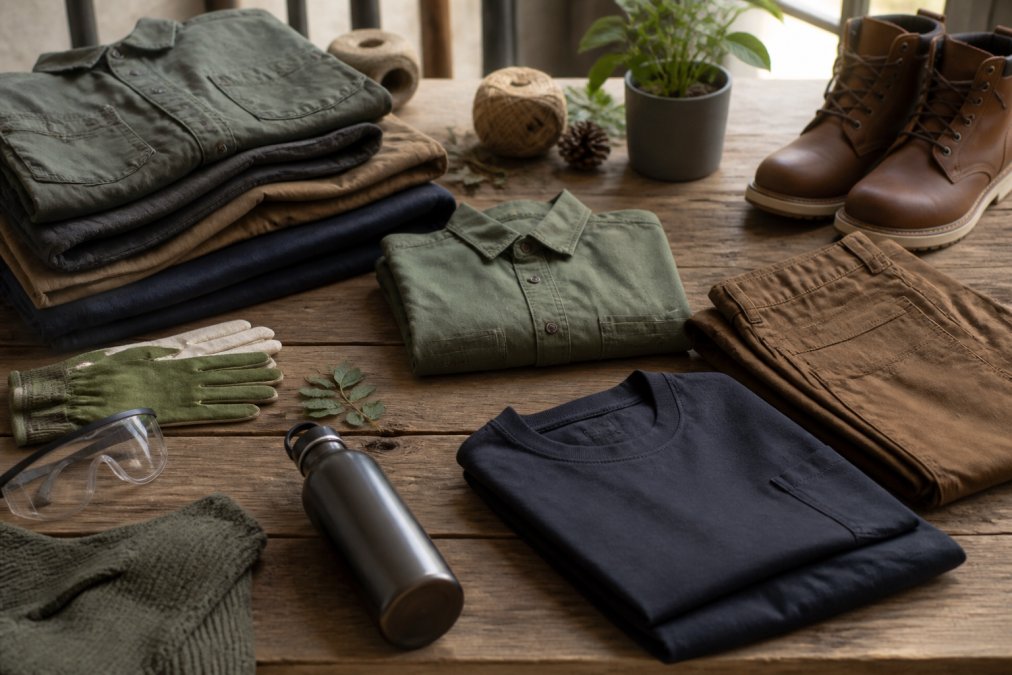
5 Best Eco-Friendly Men's Workwear Brands for 2026
Table of Contents
- Quick Comparison: 5 Best Eco-Friendly Men's Workwear Brands
- Vinthentic: Vegan Leather Footwear and Utility Layers
- What Makes Workwear Sustainable?
- Ethical Workwear Manufacturing Standards to Look For
- Durable Sustainable Work Pants for Men: What to Check Before Buying
- How to Build a Sustainable Work Wardrobe with Vinthentic
- Repair, Maintenance, and End-of-Life Disposal
- Conclusion
- Frequently Asked Questions
Last Updated: September 26, 2026
Quick Comparison: 5 Best Eco-Friendly Men's Workwear Brands
The 5 best eco-friendly men's workwear brands for 2026 put durability, material sourcing, and repairability ahead of trends. This guide compares five options on materials, ethics, and cost-per-wear.
Quick Picks:
- Best Overall: Vinthentic - vegan leather footwear and utility layers built for daily wear
- Best for Formal Settings: Vinthentic Vegan PU Leather Lace-Up Shoes - polished enough for client meetings
- Best for Active Roles: Vinthentic Orthopedic Mesh Walking Shoes - cushioned support for long days on your feet
| Brand / Pick | Signature Piece | Price | Best For | Material Focus |
|---|---|---|---|---|
| Vinthentic | Vegan Leather Suede Shoes | $69.95 | All-around workwear | Vegan leather and suede |
| Vinthentic | Vegan PU Leather Lace-Up Shoes | $84.95 | Formal and office wear | Vegan PU leather |
| Vinthentic | Hand-Stitched Leather Casual Shoes | $49.95 | Everyday and site work | High-quality leather |
| Vinthentic | Orthopedic Mesh Walking Shoes | $54.95 | Active and outdoor roles | Breathable mesh |
| Vinthentic | Cotton Blend Utility Jacket | $57.95 | Layering and transitional weather | Soft cotton blend |
Vinthentic: Vegan Leather Footwear and Utility Layers
Vinthentic leads this list for pairing vegan leather construction with build quality.


What Makes Workwear Sustainable?
Sustainable workwear minimizes environmental impact across its full lifecycle, from sourcing through manufacturing, use, and disposal. A garment can use organic cotton and still be unsustainable if it falls apart in six months.
Three factors decide whether workwear earns the label:
- Material choice: natural fibers, recycled content, or durable synthetics with a long service life
- Manufacturing process: dye chemistry, water use, and energy sources at the factory level
- Longevity: how many wears and washes the garment survives before it needs replacing
Natural Fibers vs. Recycled Polyester
Natural fibers like organic cotton, wool, and linen biodegrade and avoid petroleum inputs. Recycled polyester resists abrasion and holds shape.
Non-Toxic Dyes and Supply Chain Transparency
Dye processes hide much of workwear's environmental cost: conventional dyeing uses heavy water volumes and chemical fixatives, while low-impact dyeing reduces both. Supply chain transparency means the brand can name where its materials come from and who assembled the garment.
Ethical Workwear Manufacturing Standards to Look For
Ethical manufacturing standards are third-party certifications verifying a garment or shoe was made without forced labor, unsafe conditions, or environmental shortcuts.
- GOTS (Global Organic Textile Standard): verifies organic fiber content and restricts chemical inputs through processing. It applies to textiles, not to leather or synthetic leather, so a vegan leather shoe cannot carry GOTS.
- Fair Trade Certified: confirms workers received fair wages and safe conditions, with a premium paid back to the community. It covers the facility, not the material.
- OEKO-TEX Standard 100: tests finished textiles and leather articles for harmful substances. This is the standard most relevant to footwear linings, insoles, and uppers, because it tests the finished article rather than the raw fiber.
- B Corp certification: evaluates a company's overall social and environmental performance, not a single product. A B Corp can still sell a poorly made item.
- Leather Working Group (LWG): audits tanneries on environmental management, chemical handling, and traceability. This is the certification to look for on leather and finished-leather footwear, and it is the one most buying guides omit.
GOTS, Fair Trade Certified, and Labor Rights
GOTS covers what the fabric is made of and how it is processed; Fair Trade Certified covers who made it and under what conditions. Labor rights sit at the center of both: fair pay, safe facilities, and freedom of association.
How to Verify a Certification Claim in Under Five Minutes
The steps are simple:
- Get the certificate or license number. It should appear on the product page, the hangtag, or the brand's sustainability page. If it does not, email the brand and ask.
- Look up the number in the certifier's public database. GOTS, OEKO-TEX, Fair Trade USA, and the Leather Working Group all maintain searchable directories of certified entities.
- Confirm the certified entity matches the product. A certificate held by a fabric mill does not certify the finished jacket. A certificate held by a tannery does not certify the shoe assembled elsewhere.
- Check the scope and expiry. Certifications list the products or processes covered and carry an expiration date. An expired certificate is not a current claim.
Why Vegan Leather Needs Its Own Standard
Vegan leather is a category, not a certification, covering polyurethane (PU), polyvinyl chloride (PVC), and plant-based alternatives from apple, pineapple, mushroom, or cactus waste.
- PU leather is petroleum-based but lighter and less toxic to produce than PVC. It is the most common vegan leather in footwear.
- PVC is chlorine-based, harder to recycle, and the least favorable option on lifecycle grounds. Many brands have moved away from it.
- Plant-based leathers use agricultural waste as feedstock, but most still require a PU or bio-binder to hold together, so they are rarely 100% bio-based.
Durable Sustainable Work Pants for Men: What to Check Before Buying
Durable sustainable work pants for men should be judged on four points: fabric weight, stitch density, reinforcement placement, and repairability. Get those right and the pants outlast cheaper alternatives by years, which is where the sustainability argument pays off.

Office and Client-Facing Roles vs. Manual and Trade Roles
The durability requirements split along a clear line:
| Factor | Office / Client-Facing | Manual / Trade / Field |
|---|---|---|
| Priority | Appearance retention, wrinkle resistance | Abrasion resistance, tear strength |
| Fabric weight | Mid-weight (7-9 oz) | Heavyweight (10-14 oz) |
| Common failure | Fading, pilling, sagging at knees | Blowouts at crotch, knees, pocket corners |
| Best fiber mix | Organic cotton with a small stretch fiber | Cotton-nylon or cotton-recycled polyester blend |
| Repair frequency | Low, mostly hem and button | High, seams and patches |
For office roles, buy fewer, better chinos and rotate them between wears. For trade and field roles, prioritize reinforcement and repairability, because pants fail at stress points no matter how good the fabric is.
What to Inspect Before You Buy
| Check | What to Look For | Why It Matters |
|---|---|---|
| Fabric weight | Mid to heavy weight, tight weave | Resists abrasion and holds shape |
| Stitching | Double-stitched seams at stress points | Prevents blowouts at knees and seat |
| Reinforcement | Bar tacks at pocket corners and belt loops | Stops the most common failure point |
| Gusset | Crotch gusset or reinforced rise | Reduces the single most common trade-pant failure |
| Repairability | Replaceable buttons, accessible seams, generous seam allowance | Extends life through simple repairs |
| Knee treatment | Reinforced or double-layer knees on trade pants | Doubles the wear life of the highest-stress zone |
Pants fail at the seams long before the fabric wears through. A pair with double-stitched crotch seams, a gusset, and bar-tacked pockets typically outlasts heavier fabric with single stitching.
Men's Vegan Leather Suede Shoes →
Fiber Choices for Hard Use
For demanding roles, the most durable sustainable option is usually a blend, not a pure natural fiber:
- Cotton-nylon blends add tear strength and abrasion resistance while keeping breathability.
- Cotton-recycled polyester blends divert post-consumer plastic and hold shape well, but can pill faster than nylon blends under heavy abrasion.
- Hemp-cotton blends are naturally abrasion-resistant and get softer with washing, though they wrinkle more and take longer to break in.
- 100% organic cotton canvas is the most biodegradable option and works well for moderate use, but wears faster at knees and seats under daily heavy contact.
Repairability as a Buying Criterion
Before you buy, check whether the pants can be repaired cheaply:
- Are the buttons standard sizes you can replace yourself?
- Is there enough seam allowance for a tailor to let out or reinforce a seam?
- Are the knees patchable, or is the fabric too thin to hold a patch?
- Does the brand offer a repair service or sell replacement hardware?
How to Build a Sustainable Work Wardrobe with Vinthentic
Building a sustainable work wardrobe starts with a small number of versatile pieces covering most situations, then adding only what fills a genuine gap. Fewer, better items get worn more often, lowering cost-per-wear.
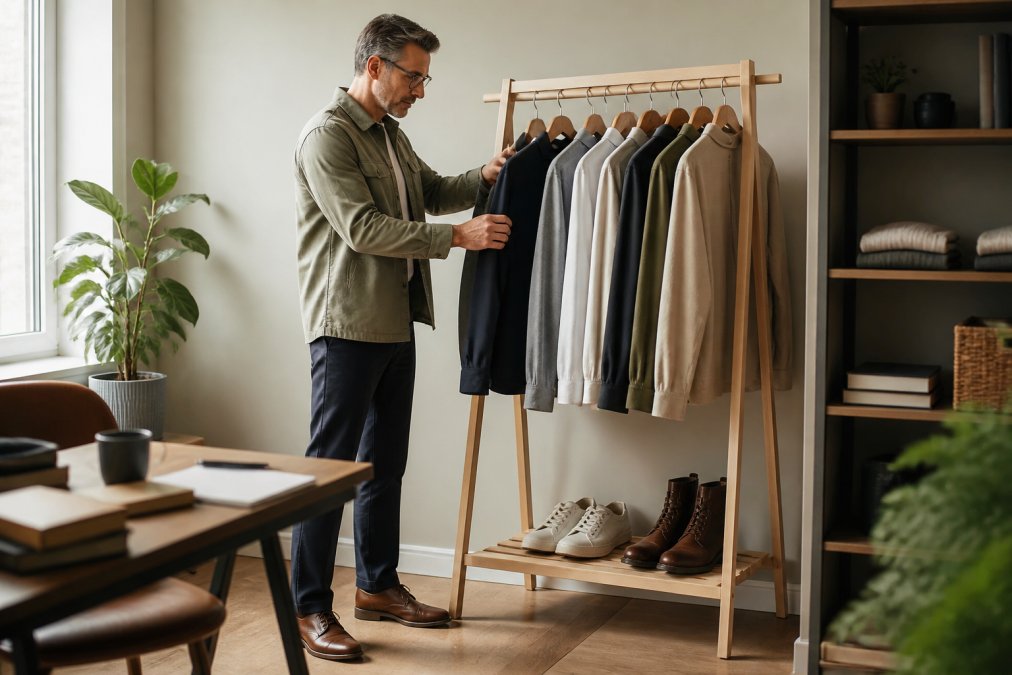
A practical starter set looks like this:
- One pair of formal shoes for meetings and client days
- One pair of durable casual shoes for everyday wear
- One pair of supportive shoes for active or outdoor roles
- One layering jacket that works across seasons
- One utility vest or overshirt for transitional weather
Cost-Per-Wear and Capsule Wardrobe Basics
Cost-per-wear is the purchase price divided by the number of times you actually wear the item.
Repair, Maintenance, and End-of-Life Disposal
Repair and maintenance extend a garment's working life more than any single buying decision, and end-of-life planning keeps it out of landfill when repair is no longer possible.
Maintenance basics that make a real difference:
- Clean leather and vegan leather footwear with a soft brush and mild soap, then let it air dry away from direct heat
- Rotate between at least two pairs of work shoes so each pair fully dries between wears
- Store jackets on wide hangers to hold their shoulder shape
- Treat scuffs early; small repairs cost less than replacements
Repair options to use before replacing:
- Cobbler resoling for footwear with worn soles but intact uppers
- Seam repair at a tailor for pants and jackets with blown stitching
- Button and zipper replacement, which is cheap and adds months of wear
End-of-life disposal:
Conclusion
Building an eco-friendly work wardrobe takes more upfront thought than buying whatever is on sale, and the payoff shows up in lower cost-per-wear and less frequent replacement. Vinthentic makes that easier with vegan leather footwear and utility layers built for daily wear, from the Vegan Leather Suede Shoes at $69.95 to the Cotton Blend Utility Jacket at $57.95.
Frequently Asked Questions
What are the best eco-friendly men's workwear brands in 2026?
The best eco-friendly workwear for men in 2026 comes from brands that combine durable materials with ethical manufacturing standards. Look for options made from organic cotton, recycled polyester, or vegan leather. Vinthentic offers vegan leather footwear and utility layers that work for office and casual settings. Check for third-party certifications like GOTS or Fair Trade Certified, and prioritize brands that publish supply chain transparency details.
Are eco-friendly work clothes as durable as traditional options?
Yes, when you choose the right materials. High-quality construction and performance fabrics like durable suede, weather-resistant leather, and reinforced stitching contribute to longevity. Brands focused on slow fashion and timeless design typically build workwear to withstand daily wear, which lowers your cost-per-wear over time.
What materials should I look for in sustainable workwear?
Prioritize natural fibers like organic cotton and high-quality leather, or recycled polyester for performance pieces. Vegan leather and suede offer ethical alternatives for footwear. For durability, look for hand-stitched construction, reinforced soles, and breathable mesh where ventilation matters. Materials that support repairability and textile recycling extend garment longevity and reduce environmental impact.
How do I build a sustainable work wardrobe without overspending?
Start with versatile staples that work across multiple settings. A pair of vegan leather lace-up shoes, a cotton blend utility jacket, and durable work pants cover most office and casual needs. Choose neutral colors that pair easily, then add layers like a quilted shacket for colder months. Focus on cost-per-wear rather than upfront price. Vinthentic offers pieces starting at $44.95, so you can build a capsule wardrobe gradually while supporting ethical manufacturing.
What ethical workwear manufacturing standards should I check?
Look for certifications like GOTS for organic textiles and Fair Trade Certified for labor rights. These verify that responsible production practices are in place, from sustainable sourcing to safe working conditions. Supply chain transparency matters too: brands should disclose where materials come from and how garments are made. Standards that address waste reduction, non-toxic dyes, and carbon footprint are important considerations.
Read more
Is Vintage Leather Jacket Quality Worth the Price?
Is vintage leather jacket quality worth the price? We break down cost-per-wear, restoration costs, and what to check before buying. Discover the real.
Read more
Premium Quality Products for Slow Fashion: 2026 Guide
Discover premium quality products for slow fashion. Learn to identify craftsmanship, build a capsule wardrobe, and care for pieces that last. Shop now.
Read more