
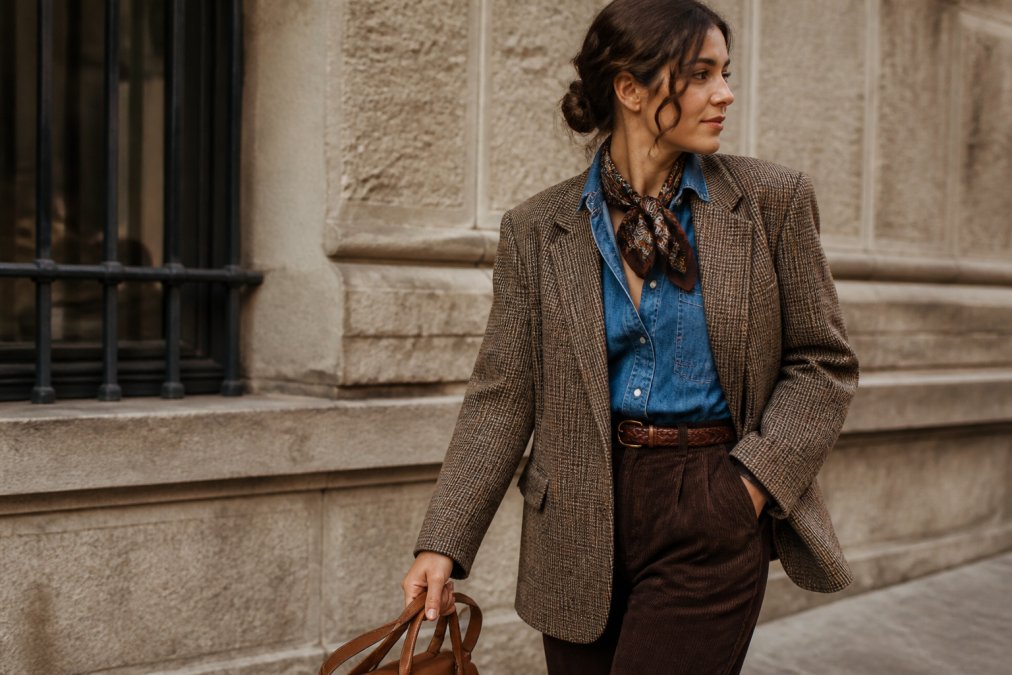
Modern Ways to Wear Vintage Clothing: 2026 Guide
Table of Contents
- Why Vintage Deserves a Place in Your Modern Wardrobe
- The 3-3-3 Rule: A Simple Framework for Mixing Vintage and Modern Fashion
- How to Dress Vintage Without Looking Old: Fit Is Everything
- Curating a Vintage Capsule Wardrobe That Works Daily
- The Art of Layering: Texture Mixing Without Bulk
- Vintage Accessories: The Finishing Touch
- Sustainable Care: Making Vintage Last Another Decade
- Your Modern Vintage Starter Kit
- Frequently Asked Questions
Last Updated: September 7, 2026
Why Vintage Deserves a Place in Your Modern Wardrobe
The most common mistake in fashion today isn't ignoring the past; it's treating vintage as a costume rather than a component. Modern ways to wear vintage clothing start with a shift in perspective: these pieces are not relics to be displayed but tools to be used. A 1970s corduroy jacket or a pair of classic loafers can anchor an outfit that looks entirely current. The goal is to build a wardrobe where old and new coexist, each making the other more interesting.

The secret lies in curation and context. A genuine vintage piece brings texture, history, and a silhouette that mass-produced contemporary fashion rarely achieves. When styled with intention, vintage clothing offers a level of individuality that is increasingly rare. Below, we will show you exactly how to integrate these finds without sacrificing a modern edge, focusing on fit, proportion, and the art of restraint.
The 3-3-3 Rule: A Simple Framework for Mixing Vintage and Modern Fashion
A practical framework helps avoid the overwhelming feeling of where to start. The 3-3-3 rule is a styling trick that simplifies the process: choose three vintage pieces, three modern staples, and three accessories. This balance prevents your outfit from becoming a historical reenactment while still allowing your vintage pieces to shine.
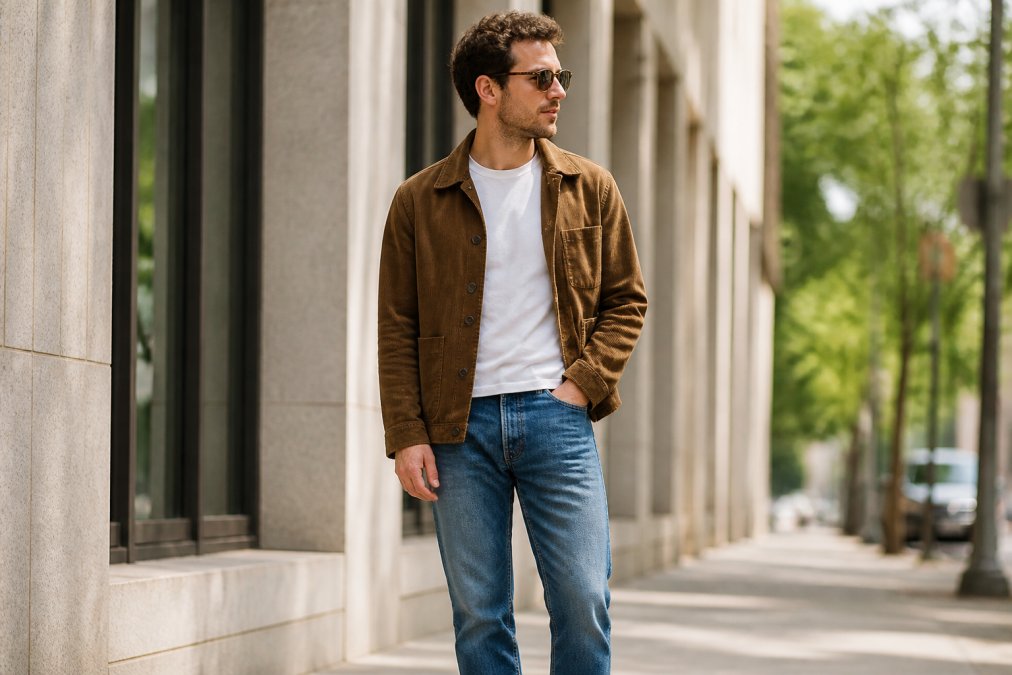
The ratio matters because it keeps the vintage aesthetic from dominating. It ensures that the overall look is grounded in contemporary reality.
Anchor with a Modern Silhouette
The foundation of any successful vintage outfit is a modern silhouette. Start with well-fitted, contemporary staples like straight-leg jeans or a minimalist t-shirt. The clean lines of these pieces provide a canvas, preventing the vintage items from looking dated. A tailored modern blazer can also serve as an anchor, giving structure to a softer vintage blouse or shirt.
Use Vintage as the Statement Piece
Instead of layering multiple eras at once, select one vintage item to be the focal point. A 1950s fit-and-flare dress or a retro corduroy jacket should be the star. Everything else in the outfit should support it. This approach makes the look intentional and fashion-forward rather than chaotic. It is the difference between wearing vintage and being worn by it.
How to Dress Vintage Without Looking Old: Fit Is Everything
The single biggest factor that separates a stylish vintage outfit from a costume is fit. Vintage sizes run smaller and are cut for different body proportions than modern clothing (si.edu). A piece that is too tight looks costume-like; one that is too loose looks sloppy. The goal is to have the vintage garment fit as if it were made for you today, not as it was in 1972.
Decoding Vintage Size Tags: A Practical Conversion Guide
Vintage size tags are notoriously unreliable because sizing standards shifted dramatically over the decades. A women's size 10 from the 1950s fits more like a modern size 6, while a 1980s size 10 runs closer to a contemporary size 8 (vintagefashionguild.org). Men's suits from the 1960s often have higher armholes and narrower shoulders than modern cuts, even when the chest measurement matches. Before you buy, always measure the garment flat and compare it to a well-fitting piece you already own. Key measurements to check are the bust or chest, waist, hip, and shoulder width. If a seller only provides a tagged size, ask for these numbers directly. A common pattern is that pre-1970s garments run one to two sizes smaller than their modern equivalents, while 1990s and later pieces align more closely with today's sizing (fashionhistory.fitnyc.edu).
The Tailoring Checklist That Changes Everything
Before you wear a vintage piece, run through this quick checklist:
- Shoulders: The seam should sit at the edge of your natural shoulder. This is the hardest and most expensive alteration, so prioritize garments where the shoulder fit is already correct.
- Waist: The garment should skim your body without pulling or gaping. Taking in a waist is a straightforward alteration for a tailor.
- Length: Sleeves should end at your wrist bone; hems should hit at a flattering point. Hemming is often a straightforward fix, so do not pass on a great piece just because the length is off.
- Hips: Ensure there is enough room to sit and move comfortably. Letting out a seam is only possible if there is extra fabric allowance, which many vintage garments do not have.
Addressing these four areas will instantly modernize any vintage find. For those who prefer to avoid tailoring entirely, a practical alternative is to focus on vintage-inspired pieces that replicate the aesthetic with modern sizing. This route offers the look without the guesswork or alteration costs.
Sizing Adaptations for Modern Bodies
Vintage sizing was not designed with today's body diversity in mind. If you are curvy, tall, or petite, a straight vintage cut may not work without strategic adjustments. For curvier figures, look for vintage A-line skirts or dresses that accommodate the hip without pulling at the waist. For taller frames, a 1970s maxi dress often hits at the ankle rather than the floor, making it a surprisingly wearable option. For petite frames, cropped vintage jackets from the 1950s can serve as modern boleros. The key is to treat the vintage garment as raw material that a tailor can adapt to your specific proportions, rather than expecting it to fit perfectly off the rack.
Modernize Proportions with Contemporary Staples
If a vintage piece feels too boxy or too fitted, balance it with contrasting modern proportions. Pair an oversized vintage blazer with slim-fit trousers. Balance a high-waisted vintage skirt with a cropped, contemporary top. This play on proportions is a key element of the modern vintage aesthetic, creating visual interest and ensuring the outfit feels current rather than retro.
Curating a Vintage Capsule Wardrobe That Works Daily
Building a wardrobe around vintage doesn't mean every item is from a bygone era. A curated capsule wardrobe mixes timeless vintage pieces with modern essentials to create a versatile, functional closet. The goal is to have pieces that can be mixed and matched effortlessly for everyday wear, from casual weekends to professional settings.
Five Eras, Five Key Pieces
To start your capsule, look for these versatile anchors from different eras:
- 1940s: A tailored high-waisted trouser that pairs well with modern knitwear.
- 1960s: A simple shift dress that works as a standalone or a layering piece.
- 1970s: A classic corduroy jacket that adds texture to any outfit.
- 1980s: An oversized blazer that can modernize a simple dress or jeans.
- 1990s: A slip dress or minimalist silk blouse that is endlessly versatile.
These pieces serve as the foundation, allowing you to rotate them with your existing contemporary staples.
Sourcing Quality Vintage Without the Boutique Price Tag
Finding these anchor pieces does not require a trip to a high-end vintage boutique. The most cost-effective channels are estate sales, thrift stores, and online resale platforms. When shopping online, use specific search terms like "vintage 1970s corduroy jacket size M" rather than broad terms like "vintage jacket." Also, filter for items listed with flat measurements, as this signals a seller who understands vintage sizing. Focusing on fabric content first, such as natural fibers like wool, silk, and cotton, can indicate a higher-quality garment that will last through years of wear. mix and match.
Building the Capsule on a Budget
A practical approach is to allocate a monthly budget for vintage sourcing. Over a year, that can add up to enough to acquire key pieces, especially if you are patient and wait for the right item at the right price. Avoid impulse buys on trendy vintage pieces that you will not wear regularly. Instead, stick to your list of five anchors and only deviate if you find an exceptional piece in a natural fiber that fits well with minimal alterations. This disciplined approach keeps your capsule cohesive and prevents your closet from filling with orphaned vintage items that do not work together.
For those who prefer a more streamlined approach, investing in a few foundational vintage-inspired pieces with modern sizing can jumpstart your capsule without the sourcing effort. These pieces bridge the gap between eras seamlessly and provide a reliable base to mix with true vintage finds as you acquire them.
The Art of Layering: Texture Mixing Without Bulk
Layering is the most effective way to make vintage work across seasons and settings. The key is to mix textures rather than just adding more clothes. Combining a rough, textured vintage corduroy jacket with a smooth, modern cotton t-shirt creates visual depth. Pairing a delicate vintage silk scarf with a chunky knit sweater adds interest without adding bulk.
The goal is to create a cohesive look where each layer complements the others. A vintage leather belt over a modern shirt dress can define the waist and add a touch of retro charm. This approach to layering keeps your outfit dynamic and prevents the flat, one-dimensional look that comes from wearing a single era from head to toe.

Vintage Accessories: The Finishing Touch
Accessories are the safest and most impactful way to introduce vintage into your wardrobe. A vintage beret hat or a classic leather belt can transform a simple, contemporary outfit into something memorable. These finishing touches add personality without requiring a full commitment to a vintage aesthetic.

For men, a vintage-inspired leather belt is a subtle nod to classic style that pairs well with modern jeans or tailored trousers. A classic beret adds a sophisticated, French-inspired element to a casual look. The key is to choose accessories that are timeless and high-quality. Investing in well-crafted leather goods, like those from Vinthentic, ensures your accessories age gracefully and remain wardrobe essentials for years.
Sustainable Care: Making Vintage Last Another Decade
Wearing vintage is inherently sustainable, but caring for these delicate pieces requires a different approach than modern fast fashion. Proper maintenance is crucial to ensuring your finds last for years to come. Always check the care label, but when in doubt, hand wash in cold water with a gentle detergent or take the item to a professional cleaner.
Leather goods, such as vintage belts and shoes, need regular conditioning to prevent cracking. Store them away from direct sunlight and heat. By investing time in care, you not only preserve the life of your garments but also contribute to a more sustainable fashion cycle, reducing the demand for new, resource-intensive clothing. This aligns with the principles of conscious consumerism and timeless style.
Your Modern Vintage Starter Kit
Mastering modern ways to wear vintage clothing is about building a thoughtful collection, not chasing trends. Start with the 3-3-3 rule to build confidence, prioritize fit above all else, and let accessories do the heavy lifting. By curating a capsule of versatile pieces and caring for them properly, you create a wardrobe that is both timeless and uniquely yours.
A great place to begin is with the foundational pieces that bridge eras seamlessly. The Vinthentic Timeless Corduroy Jacket offers the retro look and premium feel of a vintage find, tailored for a modern fit. Pair it with the Men's Vintage Classic Casual Belt to add a refined, classic touch to jeans or trousers. For a distinctive finish, the Men's Vintage Cotton Beret Hat brings a classic silhouette to any modern outfit. These pieces are designed to be the foundation of your curated, modern vintage wardrobe.
Frequently Asked Questions
What is the 3-3-3 rule for clothes?
The 3-3-3 rule is a styling framework that simplifies outfit building. Choose three vintage pieces, three modern staples, and three accessories to create a balanced look. This method prevents the costume effect by ensuring contemporary items anchor the outfit. For example, pair a vintage corduroy jacket with modern straight-leg jeans and a plain t-shirt. The rule keeps proportions intentional and makes mixing vintage and modern fashion feel effortless rather than overwhelming.
How do you style vintage pieces without looking dated?
The key is fit and proportion. Vintage garments often need tailoring to match modern silhouettes. Focus on getting the shoulders, waist, and hem adjusted. Then anchor the look with contemporary staples like straight-leg jeans or minimalist sneakers. Avoid head-to-toe vintage from one era. Instead, let one vintage statement piece, like a tailored jacket or classic belt, carry the outfit while everything else stays modern.
What are the best vintage eras to mix with modern staples?
The 1950s through the 1990s offer the most versatile pieces for modern wardrobes. 1950s high-waisted trousers create a flattering fit and flare silhouette. 1970s corduroy jackets and wide-leg pants add texture. 1990s minimalist pieces, like slip dresses and straight-leg jeans, blend seamlessly with current trends. Choose eras that complement your body type and stick to quality fabrics like wool, cotton, and leather that hold their shape.
What makes a vintage outfit look intentional rather than costumey?
Intentional outfits balance vintage with contemporary elements. Limit vintage to 30 to 50 percent of your total look. Modernize the rest with clean lines and current fits. Avoid wearing multiple statement pieces from the same era at once. A vintage beret with modern outerwear reads as fashion-forward, while a full 1920s ensemble reads as costume. Tailoring also signals intention because well-fitted clothing always looks deliberate.
The challenge with vintage is never a lack of options; it is the discipline to edit and the patience to find the right fit. Vinthentic bridges the gap between vintage craftsmanship and authentic modern design, offering handcrafted leather footwear and timeless staples that are built for everyday comfort. Explore the collection and step into style with confidence and substance. Shop the Vinthentic collection now.
Read more
Premium Leather Accessories for Men: 2026 Buyer's Guide
Discover the best premium leather accessories for men, from wallets to jackets. Compare full-grain options, prices, and care tips to elevate your style.
Read more
Durable Timeless Apparel for Professionals: A 2026 Guide
Discover durable timeless apparel for professionals that lasts. Learn to build a capsule wardrobe with sustainable business casual brands. Find your.
Read more