
Article: How to Value Vintage Clothing for Resale
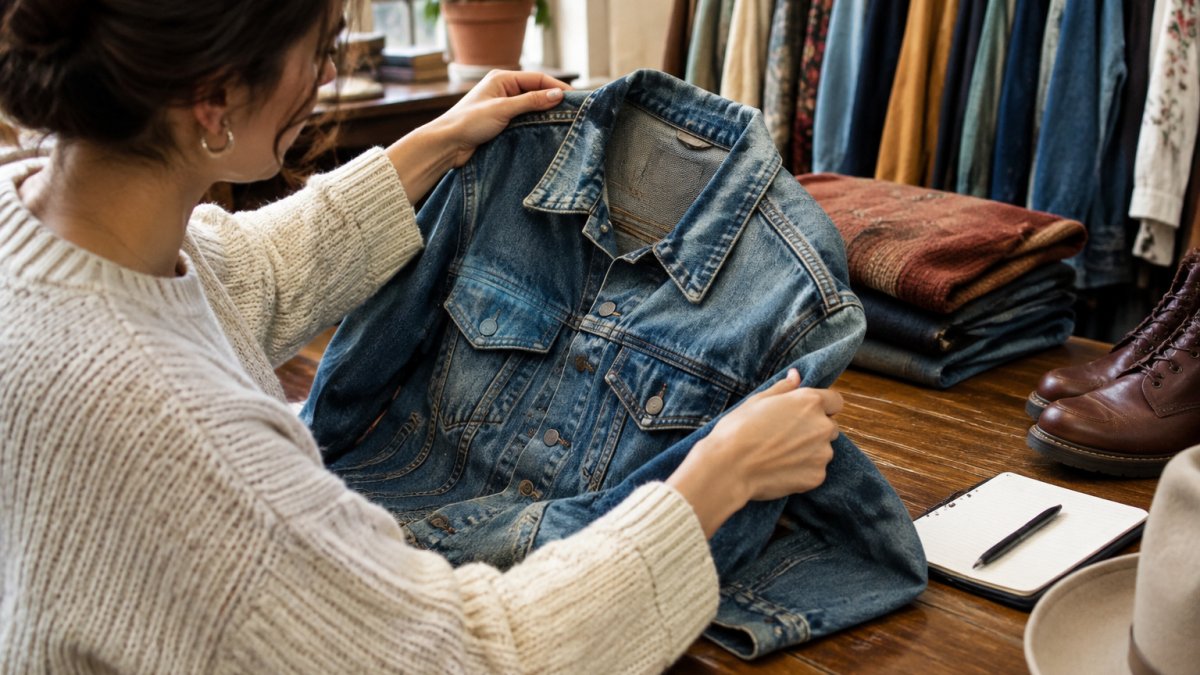
How to Value Vintage Clothing for Resale
Quick Summary
To value vintage clothing for resale, weigh the brand, rarity, current demand and condition, then compare recent sold prices for similar pieces rather than asking prices. Subtract marketplace fees, shipping, repairs and your purchase cost to find the net profit you will actually keep.
- Filter to sold listings, not asking prices, and trim unusual outliers from your comparable set.
- Grade condition on a clear scale and photograph every flaw so buyers know what they are getting.
- Calculate net profit by subtracting fees, shipping, repairs and purchase cost from the expected sale price.
- Compare sold results across at least two channels, since fees and buyer audiences differ.
Table of Contents
- Why Vintage Clothing Values Vary So Widely
- Identify the Brand, Era, and Construction of the Garment
- Grade the Condition and Price Flaws Honestly
- Research Sold Prices, Not Asking Prices
- Which Vintage Clothing Brands Command the Highest Prices
- Calculate Net Profit With a Repeatable Valuation Formula
- Set Your Price and Decide Where to Sell the Piece
- Frequently Asked Questions
Why Vintage Clothing Values Vary So Widely
Last Updated: November 23, 2026
Two vintage jackets can look almost identical on a rack and sell for very different prices, which is why understanding value vintage clothing matters before you set a price. One might bring $40 while the other fetches $400. Knowing why that happens is the first step to pricing your own pieces with confidence. Vintage clothing value comes from a handful of factors that stack on top of each other, and the most important ones are brand recognition, age, rarity, condition, and current demand.
Start with the label. A recognized designer name or a sought-after workwear brand can multiply a garment's price, while an unlabeled piece usually sells on its construction and style alone. Rarity matters too. A cut or colorway that was produced in small numbers tends to hold value better than a mass-market style that thousands of people owned.
Demand changes over time. A silhouette that is trending today can gain buyers quickly, while a once-popular look can cool off. This is why two pieces from the same decade can sell for different amounts. Fabric, construction, and embellishments also shape value, since hand-finished details and quality materials usually command a premium.
A common mistake is assuming age alone creates value. A garment does not become valuable just because it is old. Buyers pay for a combination of label, rarity, style, and condition.
- Brand recognition: Known labels often sell faster and at higher prices.
- Rarity: Limited runs and unusual details attract collectors.
- Current demand: Trends can lift or drop a piece's price.
- Condition: Clean, intact garments sell for far more than worn ones.
Identify the Brand, Era, and Construction of the Garment
Start by finding the label, then work out when the garment was made. Check the neck tag, care label, and any tags sewn into side seams. Brand names, size formats, and fabric content statements help date a piece. Fabric content labels that list materials such as rayon or polyester often point to a particular period.
Next, examine how the garment is built. Look at the seams, stitching density, lining, buttons, and zippers. Well-constructed vintage pieces often show tight, even stitching and quality hardware. Hand-finished details like bound buttonholes or hand-sewn hems usually signal higher quality.
Measure the garment as well. Vintage sizing runs differently from modern sizing, so record chest, waist, and length measurements. Accurate measurements help buyers find the right fit and reduce returns.
Use a reverse image search, such as Google Lens, to compare your piece against listings. This can confirm the style and era and show how other value vintage clothing items have sold.
Watch out: Do not assume a label is authentic just because it looks old. Reproductions and replica tags are common, so compare the tag style and stitching with confirmed examples before you price the piece.
Grade the Condition and Price Flaws Honestly
Condition has a direct effect on resale value. Inspect every inch of the garment in good light. Check for stains, holes, fading, pilling, loose threads, and odors. Look under the arms, along the collar, and at the cuffs, since these areas wear first.
Grade the piece using a simple scale such as excellent, very good, good, or fair. Describe each flaw in plain terms so buyers know exactly what they are getting. A small, clearly photographed flaw usually costs less trust than a vague description.
Repair economics matter here too. A missing button is cheap to fix and may barely affect the price. A torn lining or a broken zipper may cost more to repair than the garment would gain in value. Estimate the repair cost before you decide whether to fix a piece.
- Photograph every flaw up close.
- Note fading, odor, and fabric weakness.
- Compare repair cost against the value gained.
Research Sold Prices, Not Asking Prices
Asking prices show what sellers hope to get. Sold prices show what buyers actually paid. Focus your research on completed or sold listings, because those reflect real market value. Many marketplaces let you filter results to sold items, which gives you a much clearer picture.
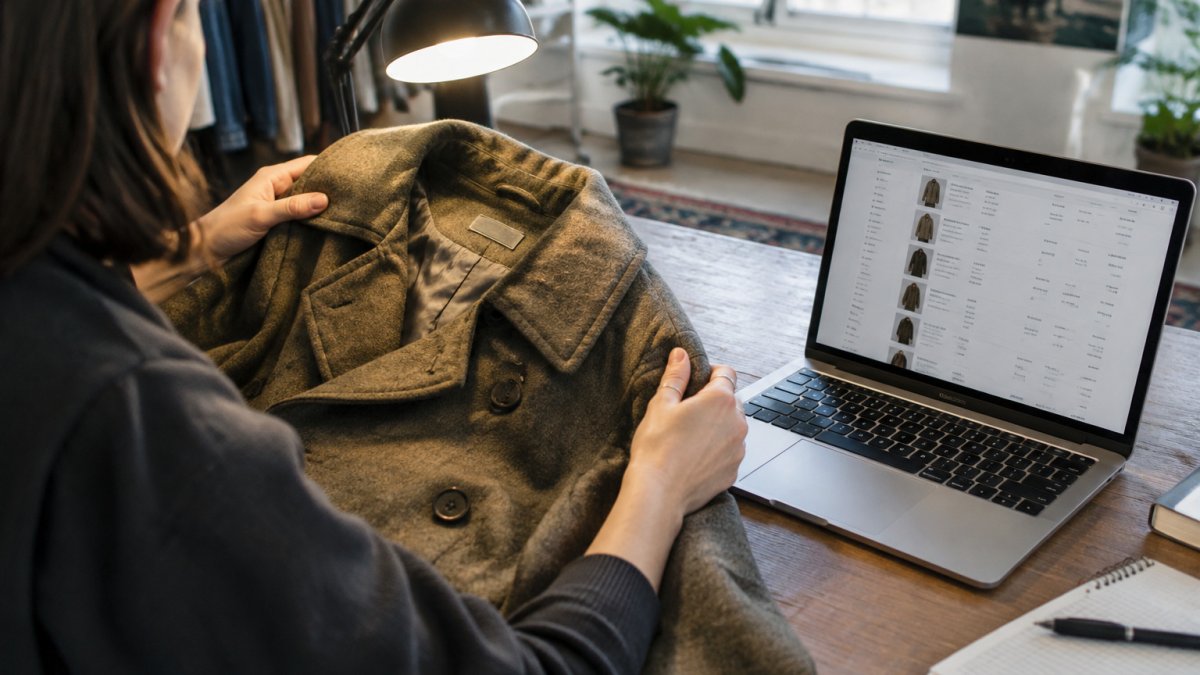
A repeatable sold-price method beats scrolling and guessing. Use this four-step routine for every piece you price:
- Build a like-for-like set. Search the same brand, style, era, size range, and condition grade. A mint-condition 1970s denim jacket is not comparable to a faded one with a torn lining, even if the label matches.
- Capture the sale details. Record the sold price, the date sold, the shipping charge, and the condition noted in the listing. A sale from eighteen months ago carries less weight than one from the last ninety days.
- Trim the outliers. Drop the single highest and single lowest sales unless you can explain them (a rare colorway, a celebrity connection, or a damaged piece). One unusual sale can distort your estimate.
- Set a range, not a point. Note the middle of your comparable set and the spread around it. If five comparable jackets sold between $70 and $110, your working estimate is roughly $85 to $95, not a single number.
Sold-price research also reveals seasonal patterns. Outerwear often sells better in fall and winter, while lightweight pieces move faster in spring and summer. Timing your listing with demand can improve your final price.
Expect that some items will have few or no comparables. In that case, give a confidence range rather than a single price. For example, you might note that similar pieces sold between $60 and $90, and that your estimate is less certain because of limited sales data. When direct comparables are thin, widen the net to the same era and category, then discount for the missing brand premium.
Watch out: Do not treat unsold asking prices as market value. A listing that has sat for months at $150 is evidence that $150 is too high, not evidence that the piece is worth $150. Filter to sold items and ignore active listings when you set your number.
Which Vintage Clothing Brands Command the Highest Prices
Certain brands consistently draw strong buyer interest. Designer houses, heritage workwear labels, and well-known sportswear makers often sell at higher prices than unlabeled pieces. Brands with a loyal collector following tend to hold value for longer.
Still, a famous name does not guarantee a high price. A label on a heavily worn or unfashionable garment may sell for less than expected. Always weigh the brand against the condition, rarity, and current demand for that style.
To check where a brand stands, search its name alongside sold listings and compare results over several months. A brand that sells consistently at strong prices is a reliable benchmark. One that sells only occasionally may need a more cautious estimate.
Building a short list of brands you handle often and tracking their sold prices can serve as a quick reference for pricing new finds.
Calculate Net Profit With a Repeatable Valuation Formula
A sale price is not the same as profit. Marketplace fees, shipping, packaging, and any repairs all reduce what you keep. A simple formula helps you see your true return before you buy or list a piece.
Use this method:
- Estimate the expected sale price from sold-price research, using the middle of your comparable range.
- Subtract the marketplace fee, usually a percentage of the sale plus a fixed per-order charge on some channels.
- Subtract shipping and packaging costs.
- Subtract the cost of any repairs or cleaning.
- Subtract what you paid for the garment.
The result is your net proceeds. Compare that number to your target margin before you commit.
Worked example: Suppose a vintage jacket is expected to sell for $120. A 13% marketplace fee costs $15.60. Shipping and packaging run $9. You spent $20 on the jacket and $10 on a button repair.
Now run the same piece through a second channel.
Use your confidence range to stress-test the decision. If your comparable set is thin and the realistic range is $90 to $140, run the formula at the low end.
Remember that taxes may also apply to your sales depending on your state and how often you sell. Confirm your obligations with a tax professional or your state's revenue agency.
Watch out: Do not forget the fixed per-order fee and the cost of packaging materials.
The article walks through how fees, shipping, repairs and purchase cost reduce a sale price to net profit, and how channel choice changes the result.
| Cost item | Example amount | Effect |
|---|---|---|
| Expected sale price | $120 | Starting figure from sold-price research |
| Marketplace fee (13%) | $15.60 | Percentage of the sale |
| Shipping and packaging | $9 | Deducted from proceeds |
| Purchase cost | $20 | What you paid for the garment |
| Button repair | $10 | Repair cost reduces profit |
| Net profit | $65.40 | Result of the worked example |
Example amount
Set Your Price and Decide Where to Sell the Piece
Set your price using your sold-price research, your condition grade, and your net profit target. Price slightly above your expected minimum so you have room to negotiate, but stay close to the market. Overpriced items sit unsold, and unsold items tie up inventory.
Choose a sales channel that fits the piece. High-value designer items often sell best on platforms with strong collector audiences. Everyday vintage pieces may move faster on general marketplaces. Compare fees, buyer traffic, and shipping rules before you list.
Track your sell-through rate, which is the share of listed items that actually sell within a set period. A low rate may mean your prices are too high, your photos are weak, or your channel does not match your buyers.
For a direct comparison of where to buy and sell authentic vintage clothing, see our guide to where to buy authentic vintage clothing.
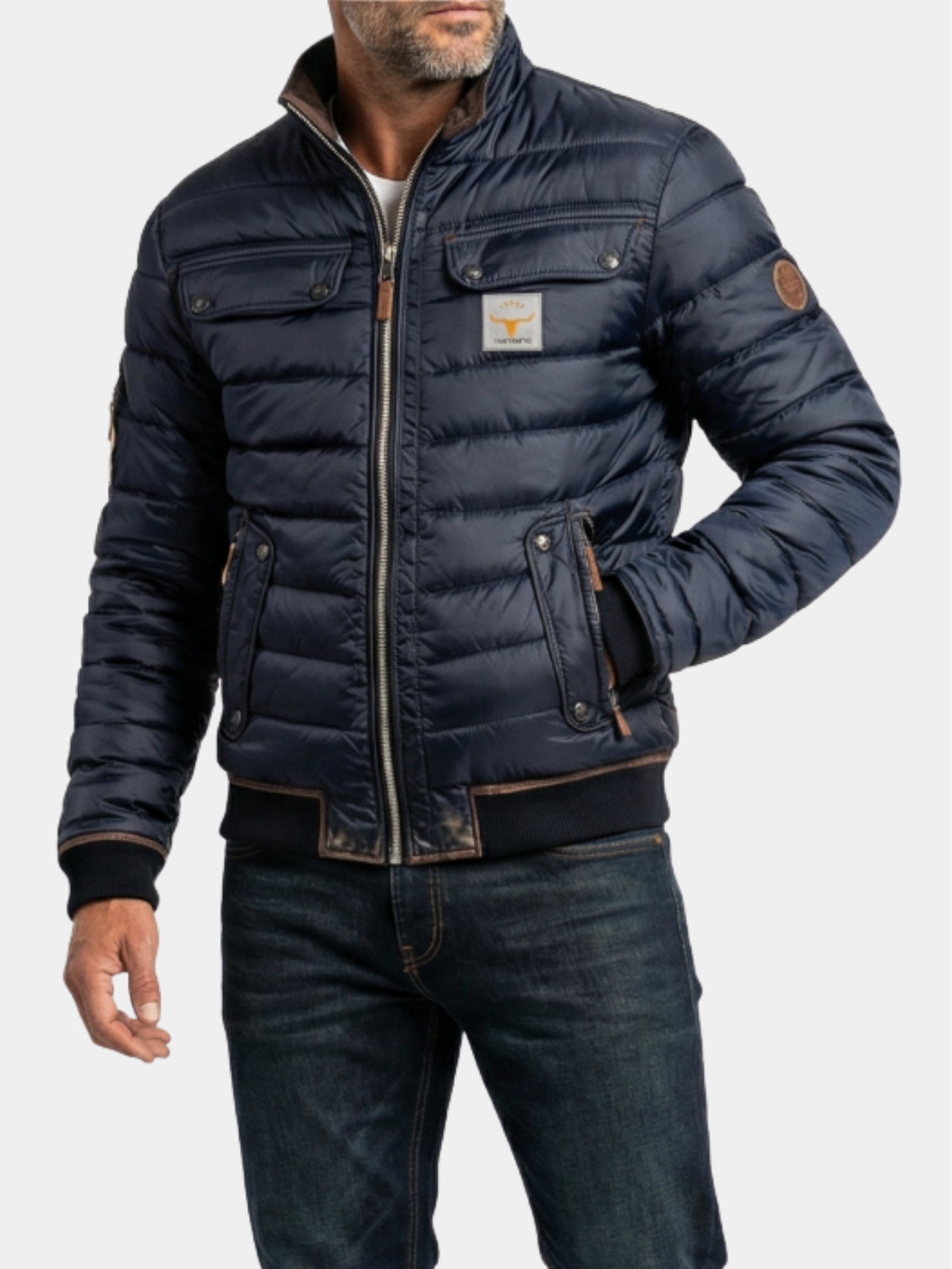
If you are looking for a vintage-style piece for your own wardrobe, the Men's Vintage Stand Collar Jacket shows how a comparable vintage-inspired jacket is styled and presented.
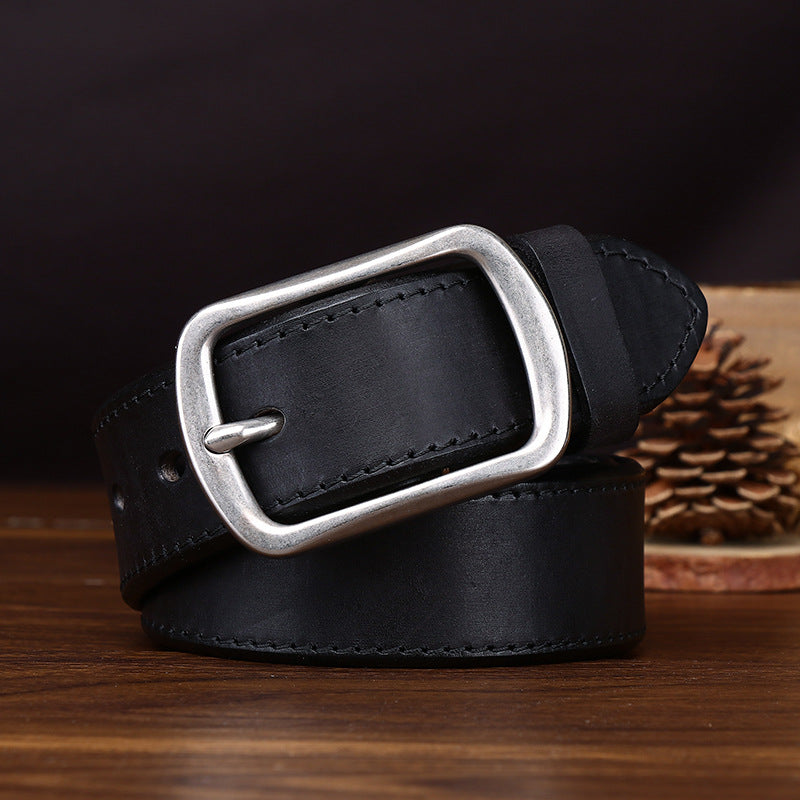
If you want to see how a curated vintage-inspired wardrobe comes together, you can explore the Men's Vintage Classic Casual Belt, which pairs with everyday jeans and more formal outfits alike.
Frequently Asked Questions
How should I price vintage clothing for resale?
Start with sold listings for the same brand, era, and condition rather than active asking prices, which often sit well above what buyers pay. Filter for completed sales from the last few months, note the median sold price, and adjust up or down for condition, rarity, and size. Then subtract marketplace fees and shipping to confirm the net amount you will keep. Pricing near the middle of recent sold comparables usually sells faster than pricing at the top of the range.
How do I use sold listings to price vintage clothing?
Search the garment's brand, style name, and key details, then filter results to sold or completed listings. Compare at least five to ten sales of similar pieces in similar condition. Ignore outliers that are far above or below the rest, and look for patterns in what buyers actually paid. If you find fewer than three comparable sales, treat your estimate as low confidence and widen your search terms.
How does condition affect the resale value of vintage clothing?
Condition can move a garment's value sharply in either direction. Stains, holes, odor, fading, and missing buttons or hardware reduce what buyers will pay, and repair costs often exceed the price increase a repair creates. A rare piece in fair condition may still sell well, while a common item with visible damage may not sell at all. Photograph and describe every flaw honestly so your price reflects the actual garment.
What costs should I account for when pricing vintage clothes for resale?
Subtract marketplace commission or selling fees, payment processing charges, shipping materials and postage, and any cleaning or repair costs from your target price. Sales tax may apply depending on how you sell and where you live. Calculate your net profit by taking the expected sale price and deducting every cost, then compare that figure with what you paid for the piece to see whether the sale is worth your time.

Read more

Do Sunglasses Really Complete a Minimalist Wardrobe?
A minimalist wardrobe needs sunglasses that finish every outfit. Compare four versatile frames and learn fit and UV rules for a capsule that works daily.
Read more