
Professional Vintage Style for Men: A 2026 Guide
Table of Contents
- Why Professional Vintage Style for Men Is More Than a Trend
- The Foundation: Building a Capsule Wardrobe with Vintage Pieces
- Curating Vintage-Inspired Office Wear for Men
- The Best Vintage Accessories for Professional Men
- How to Find Vintage Pieces That Fit Your Body Type
- Budget-Friendly Vintage Hunting Strategies That Work
- Conclusion: Own Your Professional Vintage Aesthetic
- Frequently Asked Questions
Last Updated: September 4, 2026
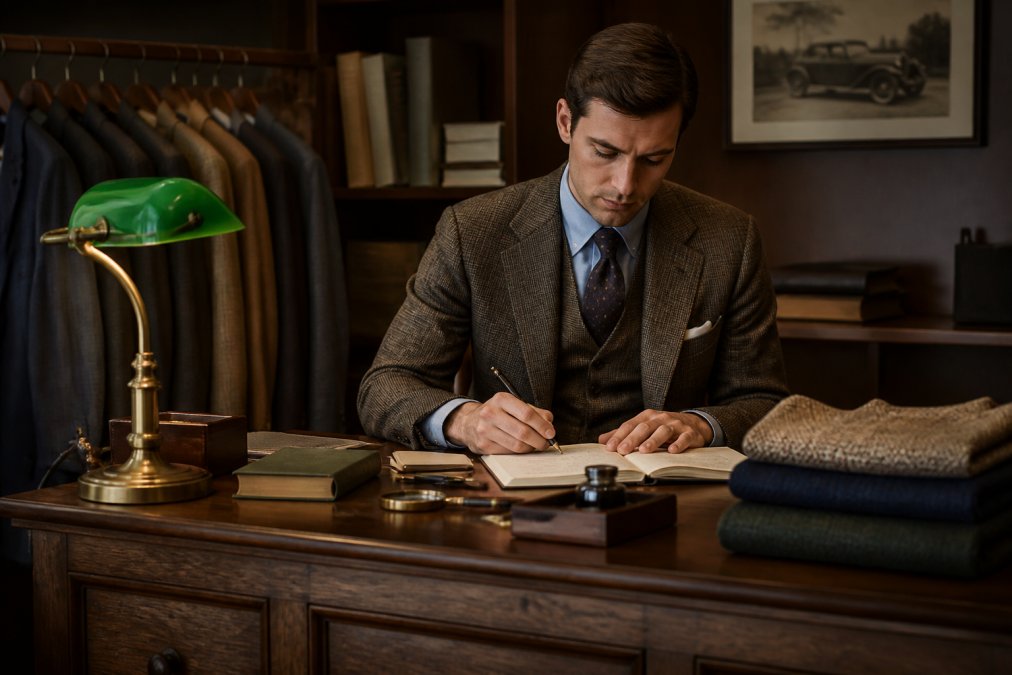
Professional vintage style for men is the practice of integrating era-specific garments, think tweed vests, tailored blazers, and heritage footwear, into a modern office wardrobe. It is not about wearing a costume to work; it is about curating a look that signals discernment and longevity. At Vinthentic, we help men bridge the gap between vintage craftsmanship and authentic modern design. Below, we will show you exactly how to build this aesthetic without looking like you raided a period drama.
Why Professional Vintage Style for Men Is More Than a Trend
The biggest mistake most guides make is treating vintage style as a nostalgic impulse rather than a strategic wardrobe decision. Professional vintage style for men works because it prioritizes fabric quality and tailoring over seasonal novelty, two attributes that never go out of date. Recent guidance from the U.S. Bureau of Labor Statistics on apparel pricing confirms that clothing prices have remained relatively stable, meaning the premium you pay for better construction is a sound long-term investment.
This approach also answers a practical question: how do you dress professionally without looking like every other man in the room? A well-cut blazer from a previous decade carries a silhouette that stands apart from the ubiquitous slim-fit fast-fashion uniform. The throughline here is intention, not trend.
The Foundation: Building a Capsule Wardrobe with Vintage Pieces
Building a professional vintage capsule is not about accumulating random old clothes; it is about curating a small set of versatile, high-quality garments that work together and with your modern basics. A common mistake is buying a single statement piece, like a patterned 1970s shirt, and trying to build an outfit around it. Instead, you want a foundation of neutral, era-appropriate items that can be mixed and matched with ease.
Core Staples That Define the Era-Specific Look
A well-edited professional vintage capsule should focus on a few key categories that provide the most utility and best capture the aesthetic without veering into costume territory.
- The Tailored Blazer: This is the single most important piece. Look for unstructured or softly structured jackets from the 1960s through the 1980s. Key details to seek out include natural shoulder lines, a single-breasted front, and fabrics like tweed, herringbone, or a subtle check. A classic navy blazer with gold or brass buttons is a timeless choice that transitions easily from a client meeting to a dinner. Avoid jackets with heavily padded shoulders or extreme peak lapels, which can look dated rather than classic.
- The Dress Trousers: The right trousers anchor the entire look. For a professional setting, prioritize wool or wool-blend trousers in neutral colors like charcoal, olive, or brown. The fit should be straight or slightly tapered, with a rise that sits at your natural waist. This is a key difference from modern low-rise cuts. Pleats are a hallmark of vintage trousers and are perfectly acceptable in a professional context; they offer more room in the seat and thigh, which contributes to a more comfortable and polished drape. Look for details like a watch pocket and a button fly, which are signs of an older, more considered construction.
- The Dress Shirt: While a crisp white or light blue modern shirt is a safe choice, vintage shirts offer unique details like button-down collars, Oxford cloth, and a more generous cut. For the office, a vintage Oxford cloth button-down (OCBD) is a versatile staple. It can be worn with a tie for a more formal look or open-collar for a business casual setting. When sourcing vintage shirts, pay close attention to the collar; a rolled or floppy collar is a sign of poor quality or wear. The collar should be stiff enough to hold its shape.
- The Knit Vest or Sweater: A sleeveless knit vest, often in a Fair Isle or argyle pattern, is a quintessential vintage layering piece. It adds texture and visual interest to a simple shirt-and-tie combination. For a more understated look, a fine-gauge wool crewneck or V-neck sweater in a solid color like navy, burgundy, or forest green is an excellent alternative to a suit jacket on less formal days.
- The Overcoat: A well-tailored overcoat is the outer layer that completes the professional vintage silhouette. Look for a classic polo coat, a chesterfield, or a simple balmacaan in a neutral color like camel, charcoal, or navy. These styles have remained largely unchanged for decades, so finding a vintage one in good condition is a significant win.
The Role of Fabric and Texture
When building your capsule, fabric is your primary guide. The reason vintage clothing often looks and feels superior is the quality of the materials. Wool, tweed, linen, and high-quality cotton were the standards. These fabrics drape better, breathe more effectively, and hold their shape far longer than the synthetic blends common in fast fashion. When you are examining a potential purchase, the hand-feel is a critical test. A dense, substantial wool tweed will feel heavy and tightly woven. A silk tie will have a supple, rich texture. Prioritizing these natural fibers is the most effective way to ensure your vintage pieces look professional and last for years.

Curating Vintage-Inspired Office Wear for Men
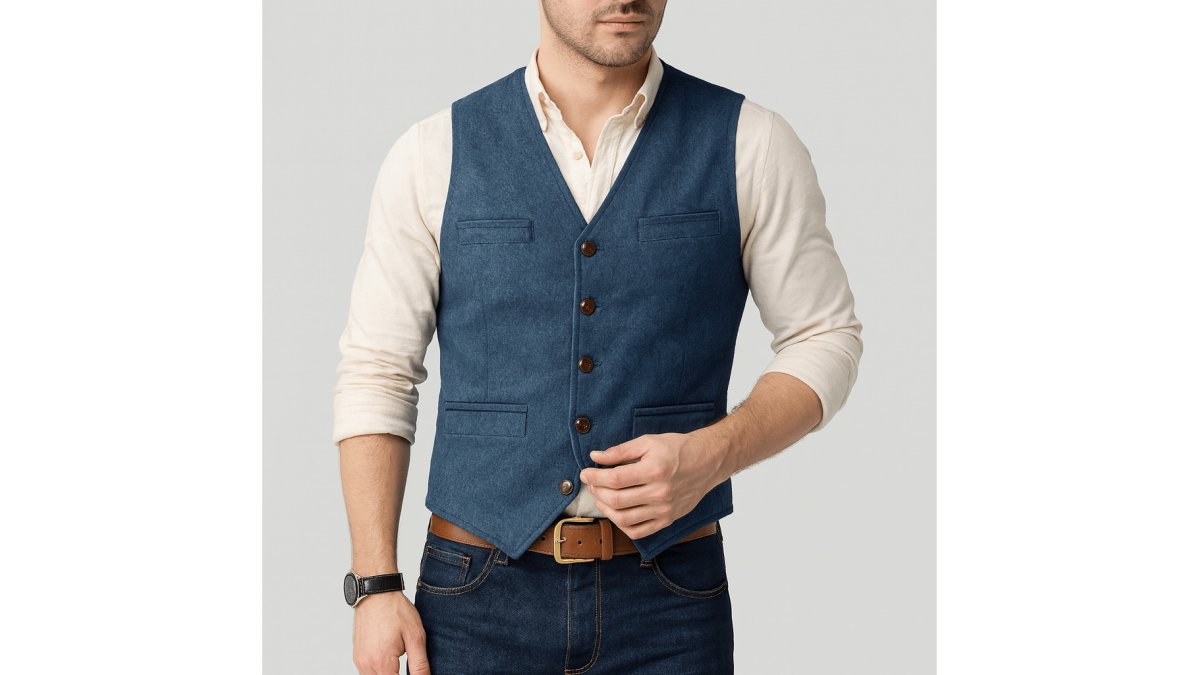
Vintage-inspired office wear for men succeeds when you treat vintage pieces as accents rather than the entire outfit. The goal is a modern-vintage mix: pair a vintage blazer with contemporary trousers, or wear a heritage vest with a crisp, modern shirt. This balance prevents the look from feeling costumey and keeps you compliant with most corporate dress codes.

Mastering the Modern-Vintage Mix for the Corporate Environment
Mastering the modern-vintage mix for the corporate environment requires a disciplined color palette. Stick to the muted tones of the past, navy, charcoal, olive, and brown, which integrate seamlessly with contemporary business attire. For a reliable foundation, consider the Henry Men's Business Casual Coat, which combines a sleek, professional look with lightweight fabric.
The Best Vintage Accessories for Professional Men
The best vintage accessories for professional men are those that add character without adding noise: geometric ties, pocket squares, and leather belts. These small touches are where you can be most expressive with era-specific details, such as a wider tie knot from the 70s or an art-deco watch face. Accessories are also the most forgiving entry point; you can test a vintage aesthetic with a single tie before committing to a full wardrobe overhaul.
How to Find Vintage Pieces That Fit Your Body Type
One of the biggest hurdles in wearing vintage professionally is the fit. Vintage sizing is not modern sizing. A suit jacket labeled "40 Regular" from the 1970s will fit differently than a modern "40 Regular (si.edu)." This reflects a fundamental change in how clothes are cut. To successfully integrate vintage pieces into your professional wardrobe, you must learn to shop by your own measurements, not by the tag.
Understanding Vintage Sizing vs. Modern Sizing
The primary difference is the cut. Up until the 1980s, most men's clothing was cut with a fuller chest, a higher armhole, and a straighter, less tapered leg. The rise on trousers was higher, sitting at the natural waist. In contrast, modern suits and trousers often have a lower rise, a slimmer cut through the hip and thigh, and a more tapered leg. This means a vintage jacket will often feel roomier in the chest and shoulders, while vintage trousers may have a much wider leg. This is not a flaw; it is the intended silhouette of the era.
How to Measure Yourself for Vintage Clothing
Before you begin shopping, you need to know your key measurements. You will need a soft, flexible measuring tape. For best results, have a friend help you, or measure over a well-fitting dress shirt.
- Chest: Measure around the fullest part of your chest, keeping the tape measure level under your armpits and across your shoulder blades. Keep the tape snug but not tight.
- Shoulders: This is the most critical measurement for a jacket. Measure from the edge of one shoulder bone, across the back, to the edge of the other shoulder bone. This is a difficult measurement to take on your own, so having a partner is ideal.
- Sleeve Length: With your arm relaxed at your side and slightly bent, measure from the point of your shoulder, over the elbow, to your wrist bone.
- Waist: Measure around your natural waistline, which is the narrowest part of your torso, typically just above your belly button. For trousers, this is where the top of the pants will sit.
- Inseam: Measure from the top of your inner thigh down to the bottom of your ankle bone.
- Hip/Seat: Measure around the fullest part of your hips and buttocks.
Once you have these numbers, compare them against the actual measurements of a garment. Most reputable vintage sellers on platforms like eBay or Etsy will provide flat-lay measurements for the pit-to-pit (chest), shoulder-to-shoulder, and the waist of trousers. For example, if your chest measures 40 inches, look for a jacket with a pit-to-pit measurement of approximately 21-22 inches. This allows for proper drape and layering room.
The Golden Rules of Vintage Fit
- Shoulders are Non-Negotiable: The shoulder seam of a jacket must align perfectly with the edge of your shoulder bone. This is the one area that is prohibitively expensive and difficult for a tailor to alter. If the shoulders are too wide or too narrow, do not buy the jacket, regardless of how good the fabric is.
- Trousers are More Forgiving: The waist of a pair of trousers can be let out or taken in by a tailor by up to two inches. The seat and thigh are more difficult to alter. A good rule of thumb is that the trousers should fit comfortably in the seat and thigh without being baggy. The length (inseam) is the easiest thing to change, so do not be discouraged if the pants are too long.
- The Tailor is Your Best Friend: Budget for alterations. A $50 vintage blazer that fits well in the shoulders but needs the sleeves shortened and the waist taken in is a better investment than a $200 modern blazer that fits off the rack. A good tailor can make a vintage piece look like it was made for you.
Budget-Friendly Vintage Hunting Strategies That Work
You do not need a large budget to build a professional vintage wardrobe, but you do need patience and a strategy. Focus your hunting on fabric quality first: check the label for wool, linen, and cotton, and learn to recognize the hand-feel of a dense weave. Deadstock items, which are new old stock that never sold, offer authentic vintage construction with unworn condition.
A practical approach is to prioritize the items that touch your skin or carry the most visual weight: shoes, outerwear, and blazers. The U.S. Environmental Protection Agency's guide on sustainable fashion highlights that extending the life of clothing reduces waste, making this a budget-friendly and ethical way to build a professional wardrobe. For new pieces that capture the vintage spirit without the hunt, Vinthentic offers handcrafted options like the London Men's Elegant Balzer Jacket, which delivers a sharp, tailored silhouette with genuine craftsmanship.
Conclusion: Own Your Professional Vintage Aesthetic
The challenge with professional vintage style is resisting the urge to overdo it; restraint is what makes the look work in a modern office. Vinthentic helps you solve this by offering a curated selection of premium apparel and footwear that bridges vintage craftsmanship with modern comfort, from [Vinthentic's collection of business casual(/products/henry-mens-business-casual-coat) essentials | vinthentic.com] to genuine leather footwear built for daily wear. With handcrafted precision and timeless design, you can build a cohesive wardrobe that will still look sharp in years to come. Get started with Vinthentic and step into a style that is distinctly your own.
Frequently Asked Questions
How do I balance vintage style with modern corporate dress codes?
Anchor your outfit with modern, well-fitted trousers and shoes, then introduce one vintage piece, such as a tweed-style vest or a classic blazer. This creates a curated look that respects contemporary dress codes while adding character. A geometric tie or a vintage-inspired shirt can add personality without overwhelming your professional silhouette.
What are the essential vintage items for a modern office wardrobe?
Start with a tailored blazer, a few high-quality button-up shirts, and a versatile vest. These pieces form the core of a professional vintage look. Add classic leather footwear and accessories like a quality watch. This foundation allows you to build a capsule wardrobe that is both timeless and appropriate for the office.
What fabrics are best for a professional vintage look?
Focus on natural, durable textiles that improve with age. Wool, tweed, and heavyweight cotton are excellent for jackets and trousers, offering structure and longevity. For shirts, look for high-quality cotton weaves. These fabrics not only look authentic but also hold their shape, ensuring you look polished from morning meetings to evening events.
This article was written using GrandRanker
Read more
Durable Vintage Style Men's Shoes: A 2026 Guide
Vintage style men shoes: Find durable vintage style men's shoes built for everyday wear. Compare classic designs, materials, and maintenance tips to.
Read more
Premium Leather Accessories for Men: 2026 Buyer's Guide
Discover the best premium leather accessories for men, from wallets to jackets. Compare full-grain options, prices, and care tips to elevate your style.
Read more