Article: 5 Best Neutral Colors for Men's Fashion That Always Work
5 Best Neutral Colors for Men's Fashion That Always Work
Last Updated: November 3, 2026
Quick Summary
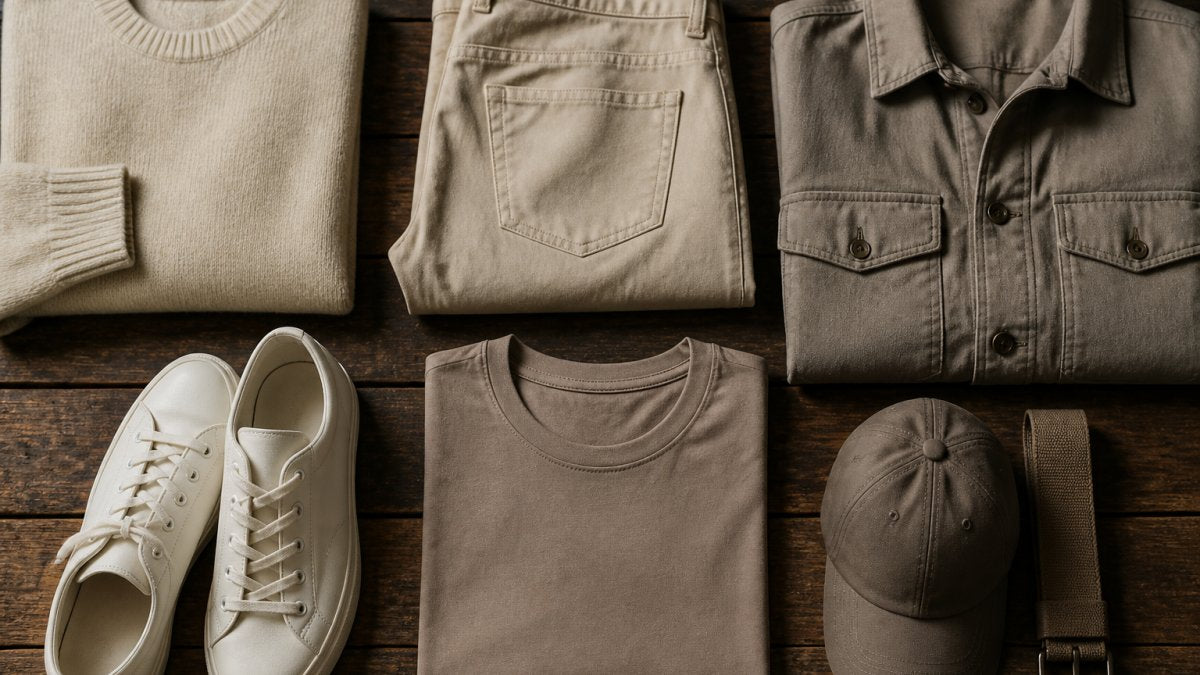
The 5 best neutral colors for men's fashion are navy, charcoal gray, brown and camel, olive and khaki, and black and white. Navy ranks first as the most versatile neutral, pairing cleanly with gray, brown, olive, and white, while charcoal is the most formal and forgiving option.
- Navy takes first place because it does the widest range of jobs, from suits to knits to outerwear.
- Charcoal hides lint and light creasing better than black and flatters most skin undertones.
- Brown, camel, and tan are warm neutrals that suit fall outfits and outerwear especially well.
- Olive sits well against most skin tones because it is muted rather than bright.
- Two neutrals in the same depth look flat; two in different depths look intentional.
Table of Contents
- Why Neutral Colors Are the Backbone of a Men's Wardrobe
- How We Ranked the 5 Best Neutral Colors
- 1. Navy: The Most Versatile Neutral in Menswear
- 2. Charcoal Gray: The Professional Neutral
- 3. Brown and Camel: Warm Neutrals With Depth
- 4. Olive and Khaki: Earthy Neutrals for Casual Wear
- 5. Black and White: The Classic Neutral Pair
- How to Wear Neutral Colors for Men: Undertones, Shades, and Fit
- Build Your Neutral Wardrobe With Vinthentic
- Frequently Asked Questions
Why Neutral Colors Are the Backbone of a Men's Wardrobe
Neutral colors are the muted, low-saturation shades that form the foundation of a man's wardrobe: navy, charcoal, brown, olive, and black-and-white tones.
If you have ever stood in front of a full closet and still felt you had nothing to wear, the problem usually is not quantity. It is a missing base.
The five colors below are ranked, not listed. We scored them on versatility, how easily they pair with each other, how well they hide everyday wear, and how naturally they move from casual wear to business attire.
How We Ranked the 5 Best Neutral Colors
We judged each color on four practical tests: how many existing pieces it pairs with, how forgiving it is of stains and creasing, how easily it builds a tonal outfit, and how well it holds up across seasons. Navy scored highest on versatility, charcoal on formality, brown on warmth, olive on casual wear, and black-and-white on contrast.
That is the framework. Here is the ranking, with the shades, textures, and outfit formulas that make each one work.
1. Navy: The Most Versatile Neutral in Menswear
Navy takes first place because it does the widest range of jobs. It reads formal in a suit, relaxed in a knit, and sharp in outerwear. It also pairs cleanly with gray, brown, olive, and white, which means one navy piece supports several outfit combinations. But not all navy is created equal, and the shade you choose determines whether it flatters or fades into the background.
Choosing the Right Shade of Navy
Navy spans a wide spectrum, from deep midnight to a lighter, almost denim-like blue-gray. For formal wear, choose a deep, saturated navy that looks nearly black in low light. For casual knits and outerwear, a mid-tone navy with a hint of gray reads more relaxed. Avoid navy with strong purple or green undertones unless you know they suit your skin, these can make you look sallow. A simple test: hold the garment under natural daylight and compare it to a pure white shirt.
Fabric and Texture Matter
Navy behaves differently depending on the fabric. Smooth wool and cotton poplin look sharp and formal; ribbed knits and brushed flannel look softer and more casual. A navy blazer in a hopsack weave is more versatile than a smooth worsted wool because it dresses down easily with jeans. For knitwear, a navy merino wool sweater holds its shape and color better than a cotton blend, which can fade after repeated washing.
Outfit Formulas for Navy
Here are three repeatable combinations that work for most men:
- Business casual: Navy blazer + light gray trousers + white oxford shirt + brown leather derbies. The gray lightens the look, and brown adds warmth.
- Weekend casual: Navy crewneck sweater + olive chinos + white sneakers. The olive and navy are both muted, so the white sneakers provide contrast without shouting.
- Evening smart: Navy suit + black knit tie + black leather shoes. This is a high-contrast, low-risk combination for dinners or events.
Watch out: cheap navy fabric fades to a purple-gray at the seams and collar after repeated washing. Check the shade under natural light before you commit, and wash navy garments inside out in cold water to prolong the color.
2. Charcoal Gray: The Professional Neutral
Charcoal is the most formal neutral on this list, and the most forgiving. It hides lint and light creasing better than black, and it flatters most skin undertones because it sits between warm and cool. For business attire, a charcoal layer is the safest investment you can make.
Build around a charcoal blazer, then keep everything else quieter than the jacket. Charcoal pairs best with white, light gray, navy, and black.
Best for: office environments, interviews, evening events. Skip if: you want a color that reads relaxed on weekends.
3. Brown and Camel: Warm Neutrals With Depth
Brown, camel, and tan are warm neutrals, and they bring a richness that cool shades cannot. They suit fall outfits and outerwear especially well, and they flatter warmer skin undertones.
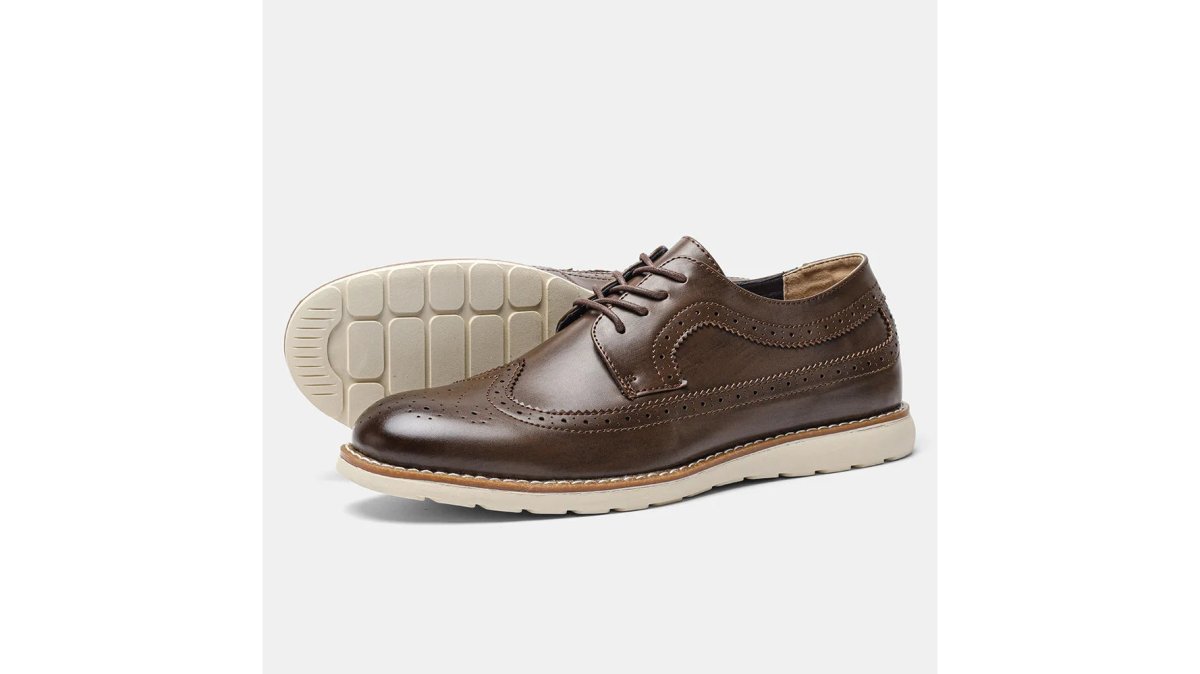
If you want to put this advice into practice, our Men's Classic Leather Dress Shoes Brown anchor a camel-and-navy outfit without competing with it.

4. Olive and Khaki: Earthy Neutrals for Casual Wear
Earthy neutrals like olive, khaki, army green, and forest green belong in casual wear. They pair naturally with denim, brown leather, and cream, and they add interest without becoming an accent color. Olive in particular sits well against most skin tones because it is muted rather than bright.
Men's Ribbed Knitted Striped Polo Sweater Chocolate Brown →
A pair of Men's Leather Boots Regular Fit in black or mocha finishes an olive-and-khaki outfit cleanly.

Best for: weekends, travel, layered fall outfits. Skip if: your workplace dress code is strictly formal.
5. Black and White: The Classic Neutral Pair
Black and white is the highest-contrast neutral pairing, and the easiest to get wrong. White next to black creates a hard line, so proportions matter: keep the lighter shade on the larger part of the outfit if you want a softer look.
For a modern take, Men's Chunky Low Top Lace Up Sneakers White Gray split the difference and pair with nearly every neutral combination in this guide.

- Black: sharpest contrast, best for evening and formalwear
- White and ivory: freshest, best in warm weather
- Gray: the bridge between them, easiest to layer
How to Wear Neutral Colors for Men: Undertones, Shades, and Fit
Most guides stop at "warm undertones wear brown, cool undertones wear navy." That advice is a starting point, not a rule. The real skill is learning how to adjust shade, texture, and placement so neutrals work for your specific coloring, body, and wardrobe. This section gives you the practical mechanics that the ranking alone cannot.
Undertones: A More Nuanced Approach
Your skin undertone, warm, cool, or neutral, affects how neutral colors read against your face. But few men are purely warm or cool; most sit somewhere in between. Instead of memorizing a list, use this test: in natural daylight, hold a pure white cloth and an off-white or cream cloth near your face.
For warm undertones, brown, camel, olive, and cream are reliable. For cool undertones, navy, charcoal, gray, and pure white are safer. But you can still wear the "wrong" temperature if you keep it away from your face, for example, a warm brown belt or shoes with a cool navy suit.
Shade and Texture: The Depth Principle
Two neutrals in the same depth look flat; two in different depths look intentional. This is the single most useful styling rule for neutral outfits. Pair a light gray shirt with charcoal trousers, or a cream sweater with olive chinos. The contrast in depth creates visual interest without adding color.
Texture works the same way. A smooth navy blazer over a ribbed navy knit gives depth even in a monochromatic outfit. Mix matte and subtle sheen: wool with silk, cotton with leather. Avoid pairing two identical textures in the same shade, they blend into a uniform.
Fit and Body Proportions
Fit matters as much as color. A neutral in a poor fit looks worse than a bold color in a good one. Check shoulder seam, sleeve length, and trouser break before anything else. But color placement also affects how your body reads. Lighter neutrals advance and make an area look larger; darker neutrals recede. If you are broad-shouldered and want to soften your upper body, wear a darker top and lighter trousers. If you are slim and want to add visual width, reverse it. High-contrast outfits (black and white) draw the eye; low-contrast tonal outfits (navy and charcoal) create a longer, leaner line.
A Quick Reference Table
| Color | Warm or Cool | Best Occasion | Pairs With | Watch Out For |
|---|---|---|---|---|
| Navy | Cool | Business, smart casual | Gray, brown, white, olive | Fading at seams; purple undertones |
| Charcoal | Neutral | Formal, office | White, navy, black, light gray | Can look heavy in summer |
| Brown / Camel | Warm | Smart casual, outerwear | Navy, cream, olive, denim | Too red or too yellow for cool skin |
| Olive / Khaki | Warm | Casual, weekend | Brown leather, cream, denim | Washes out pale skin |
| Black / White | Cool | Evening, formal, minimal | Each other, gray, navy | Harsh contrast near the face |
Practical Outfit Formulas by Occasion
- Office: Charcoal trousers + light blue or white shirt + navy blazer + black or brown leather shoes. Keep the shoe color consistent with your belt.
- Weekend: Olive chinos + cream henley + brown suede sneakers. The earth tones feel cohesive without matching exactly.
- Evening: Black jeans + gray merino sweater + black leather boots. Low contrast, high polish.
Watch out: don't rely on a single neutral for every outfit. Even the most versatile color looks stale if repeated daily. Rotate at least two neutrals in your weekly wardrobe to keep things fresh.
Build Your Neutral Wardrobe With Vinthentic
Pick one color from this list and build three outfits around it before adding a second. That single discipline is what separates a wardrobe that works from a closet that merely fills up.
Vinthentic offers footwear and apparel with genuine leather craftsmanship and designs built for everyday comfort. One customer, David S., wrote: "The shoes arrived quickly and were exactly as imagined. Perfect for daily wear."
Get started with Vinthentic and build a neutral wardrobe you can wear for years, not seasons.
Frequently Asked Questions
What are the top 5 neutral colors for men's fashion?
The five strongest neutral colors for men are navy, charcoal gray, brown and camel, olive and khaki, and black and white. Each one pairs with the others, so a wardrobe built around them produces dozens of outfit combinations from a small number of pieces. Navy and charcoal handle business attire, brown and camel add warmth, olive and khaki suit casual wear, and black and white cover formalwear and clean everyday looks.
How do you combine neutral colors in men's clothing?
Start with one dark neutral as the base, add a mid-tone neutral for contrast, then finish with a light neutral near the face. A charcoal sweater over a white tee with khaki chinos follows that formula in three steps. Keep textures different so the outfit does not flatten out: smooth leather boots against a ribbed knit, or suede against cotton. Add one accent color only after the neutrals already work together.
Can men wear neutral colors in every season?
Yes. The colors stay the same; the fabrics and shades shift. Lighter neutrals such as ivory, stone, and tan read well in warm weather, especially in breathable lyocell and linen blends. Deeper shades like chocolate brown, charcoal, and forest green suit fall outfits and outerwear. A navy or gray layer works year-round, which is why these colors form the base of a wardrobe that does not need replacing each season.
Which neutral colors go well together in men's outfits?
Almost all of them, with a few rules. Warm neutrals (camel, tan, chocolate brown, olive) sit well together, and cool neutrals (navy, charcoal, gray, white) do the same. Mixing warm and cool works when one side dominates. Black with brown is the pairing to handle with care: keep the brown deep and the black matte so the contrast looks deliberate rather than accidental.
How do I choose neutral shades that suit my skin tone?
Check the veins on your inner wrist in daylight. Blue veins usually point to cool undertones, which favor navy, charcoal, cool gray, and crisp white. Green veins suggest warm undertones, which suit camel, tan, chocolate brown, olive, and ivory. If you sit between the two, you can wear both families. Hold fabrics near your face in natural light and pick the shade that makes your skin look even rather than washed out.

Read more
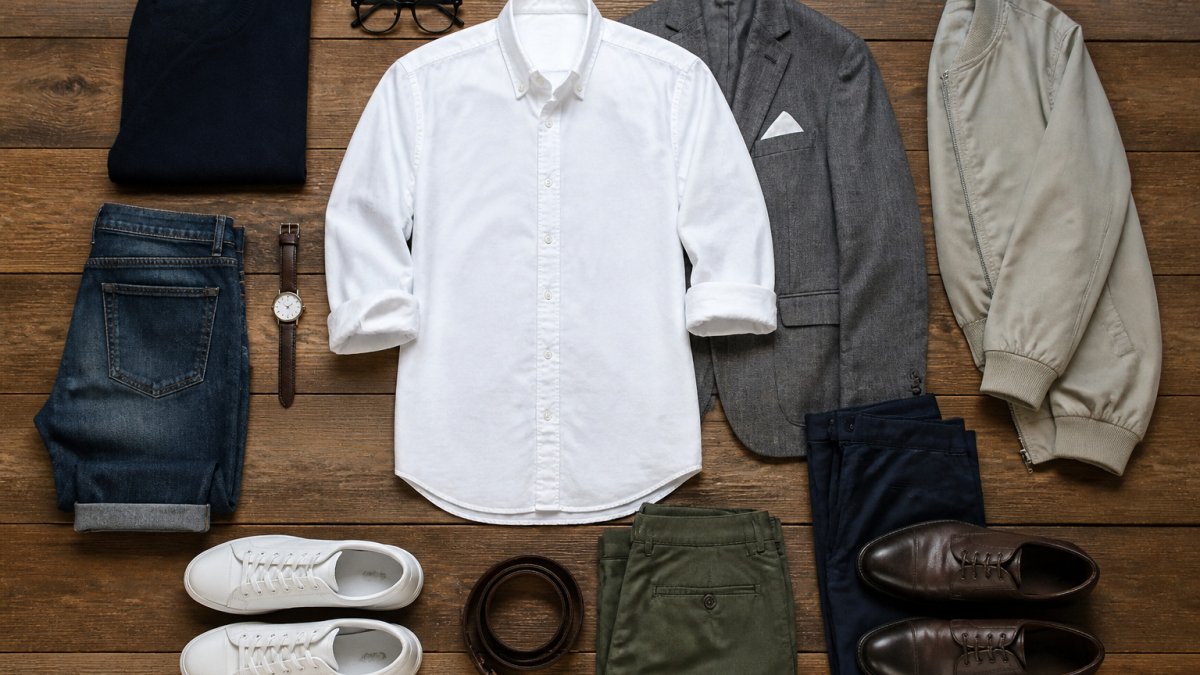
7 Ways to Style a White Button Down for Men
White button down styling made simple with 7 outfits, from jeans to workwear. Learn tucking, layering, and fabric tips to build looks that last.
Read more